THE XINJIANG (CHINA) EXPEDITION
I travelled to Urumqi in Xinjiang in north-western China in order to explore for CAM plants in the deserts of the region and, to be honest, just to go there!
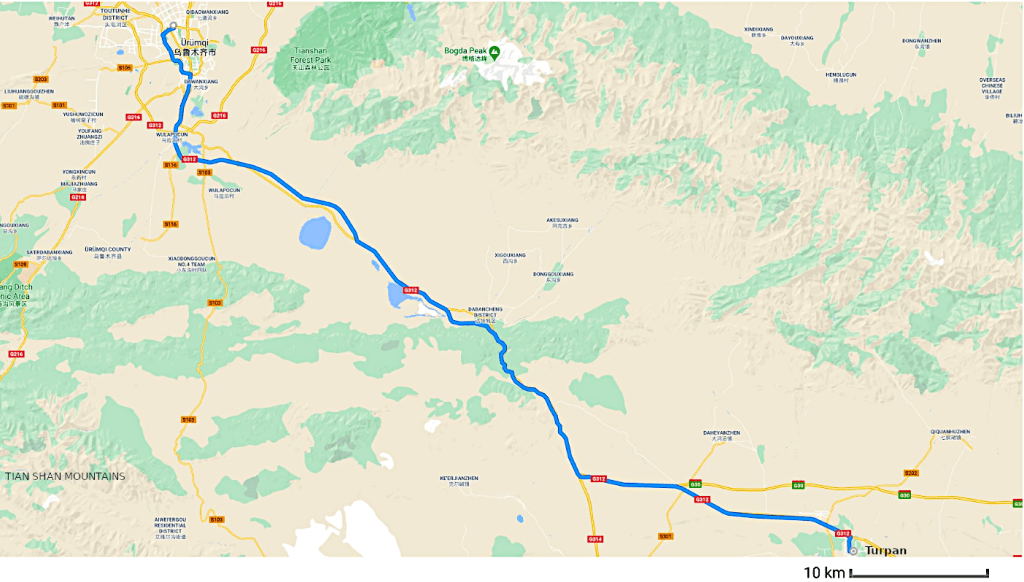
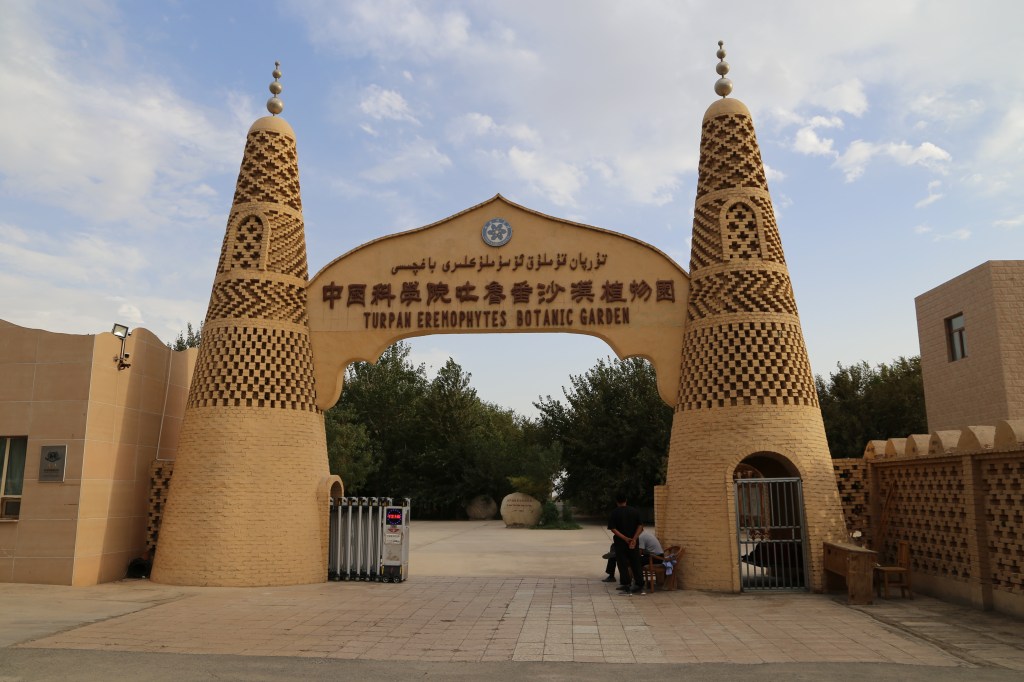
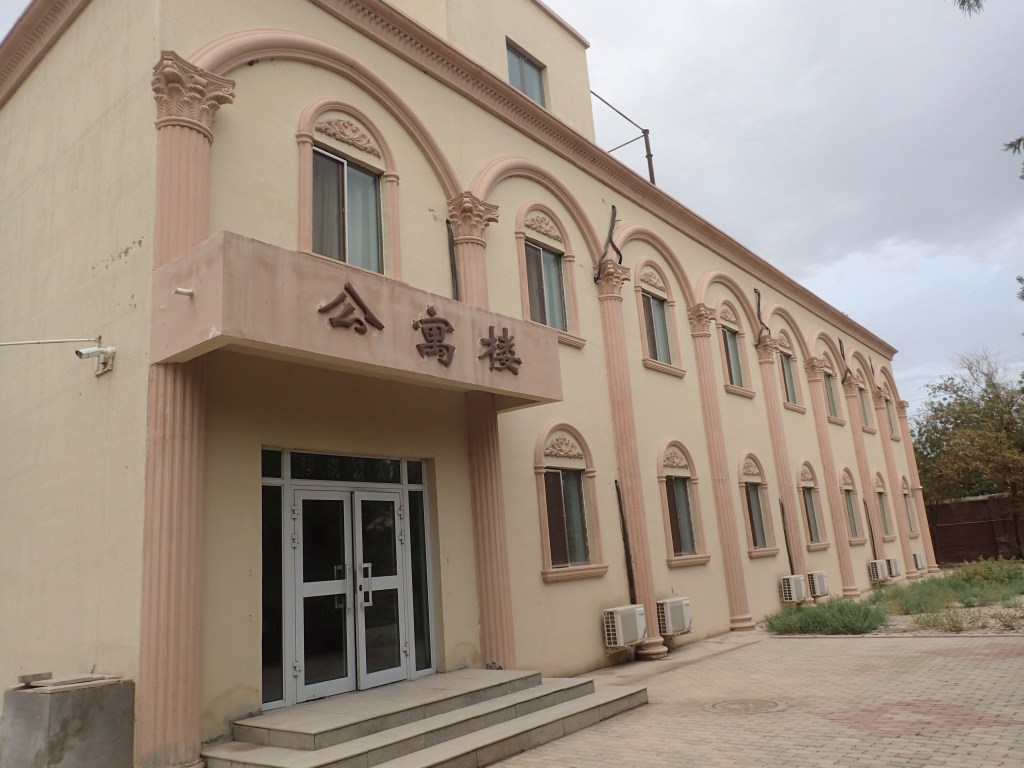
My host, Professor Guan Kaiyan, deputy director of the Chinese Academy of Sciences Xinjiang Institute of Ecology and Geography, kindly gave me a botanist’s tour of the region. We drove from Urumqi to Turpan, an old Silk Road town situated at the edge of the Taklimakan desert. In Turpan, we stayed at the Turpan Eremophytes Botanical Gardens, of which Professor Guan is Director. The gardens are ca. 100 m below sea level.

The Taklimakan Desert, a formidable landscape and climate for plants, sits in the Tarim Basin (Altishar). Surrounded by mountain ranges that erupted following the collision of the Indian and Asian continental plates, the landscape is a rain shadow with a continental arid desert climate. Temperatures may reach the high 40oCs in summer but plummet to ca. -30oC in winter. Annual mean precipitation in the basin is only ca. 20 mm.

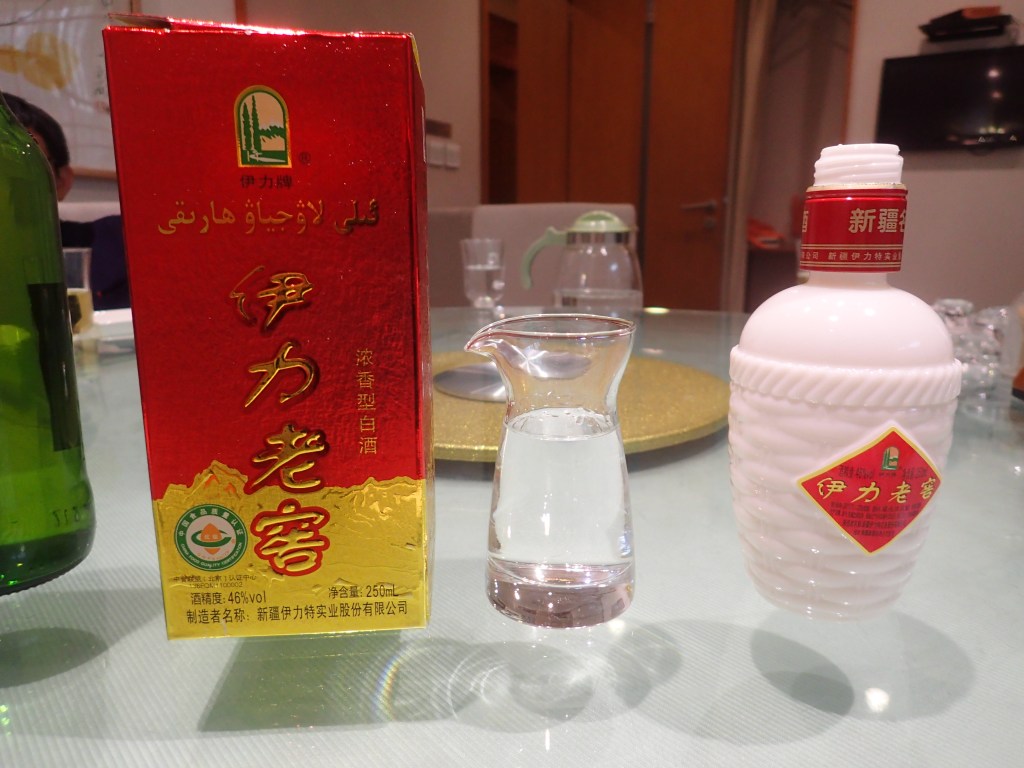
The trip was a memorable one. Fascinating places were seen (like the underground water canals near Turpan) and I met lovely people. The food was great. I even believe that I held my own in the evening baijiu-consuming stakes, a legacy of my rugby days as a student!
Scientifically, the trip was less productive. I saw few CAM species. I tested a few succulent Zygophyllum for CAM (most are C4 as well) but have not detected any CAM-type acid fluctuations as of yet. Perhaps the foothills of the mountains further west, in the region of Kashgar (Kashi), might be more conducive area for CAM hunting (an excuse for another visit!).
Some photo galleries follow. Route maps may not be correct as I had to guess where we went.







On August 2nd, we explored the eastern part of the Turpan Desert. A few photos are shown below.
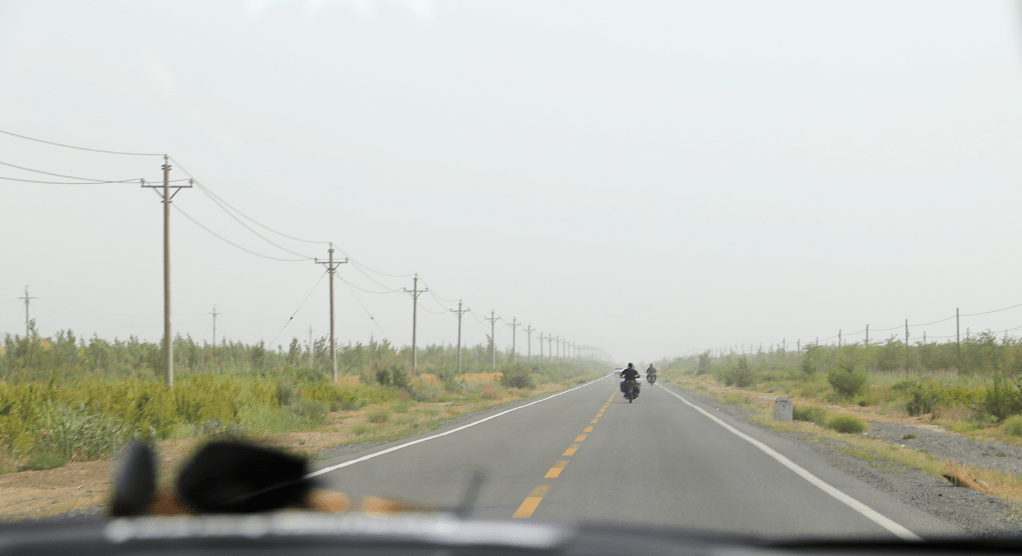
Vegetation has been planted alongside some desert highways in order to reduce sand drifts. The pattern seems to be shrubs and small trees alongside the roads and poplars on the outsides. Often the plants are drip-irrigated. Click on photos below to increase size.


Professor Guan at work! 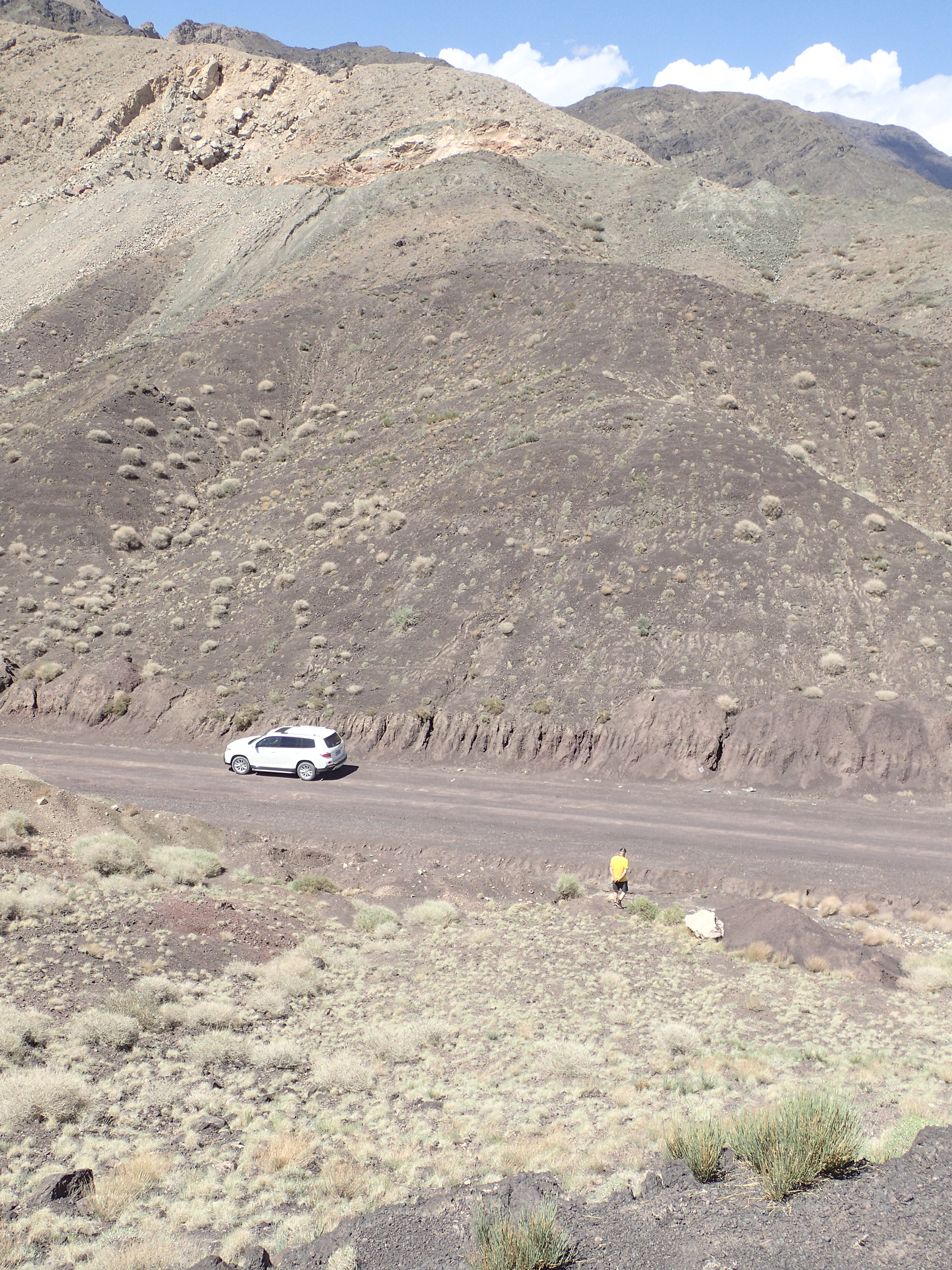
We are small animals in a BIG landscape! 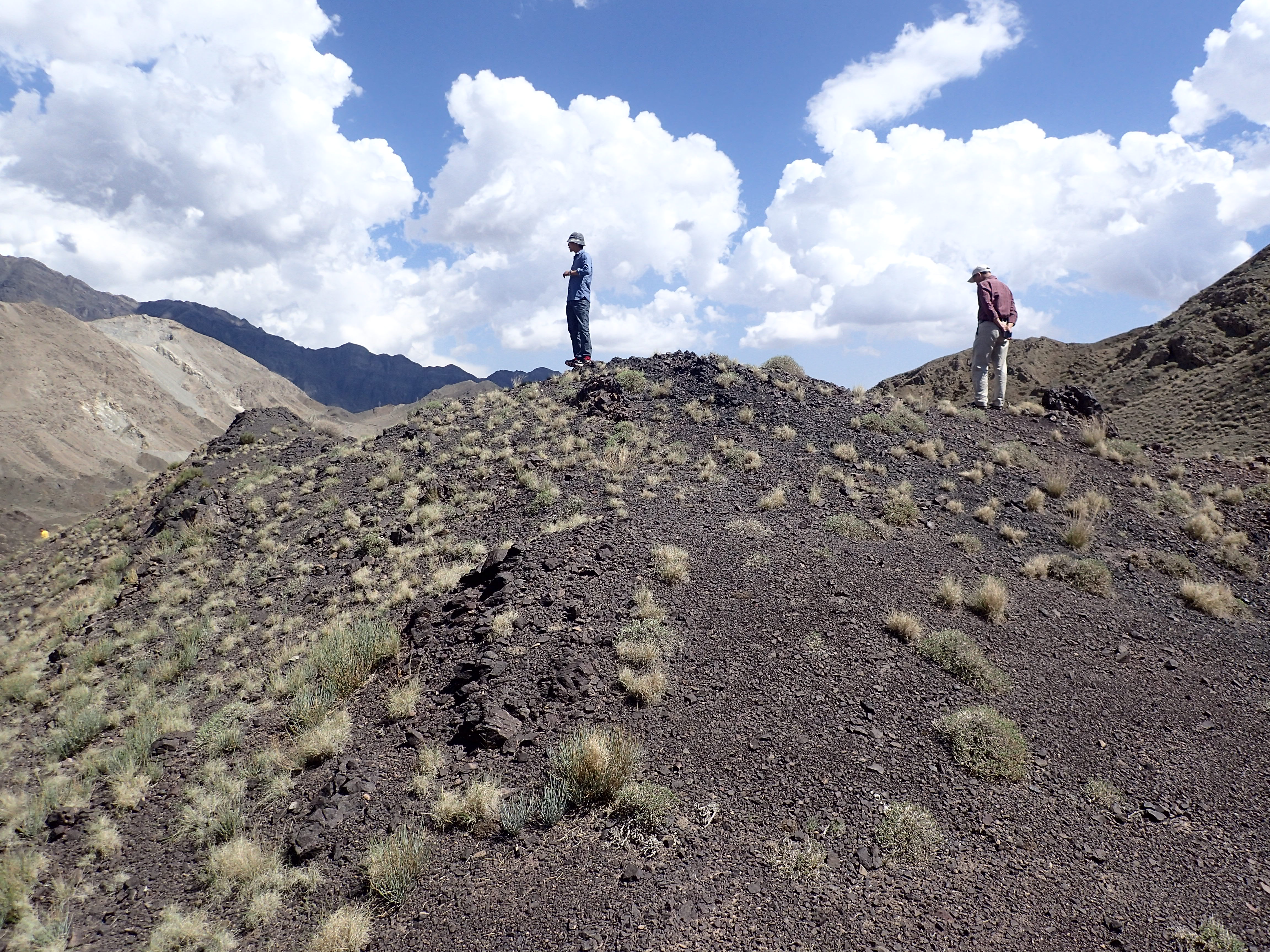
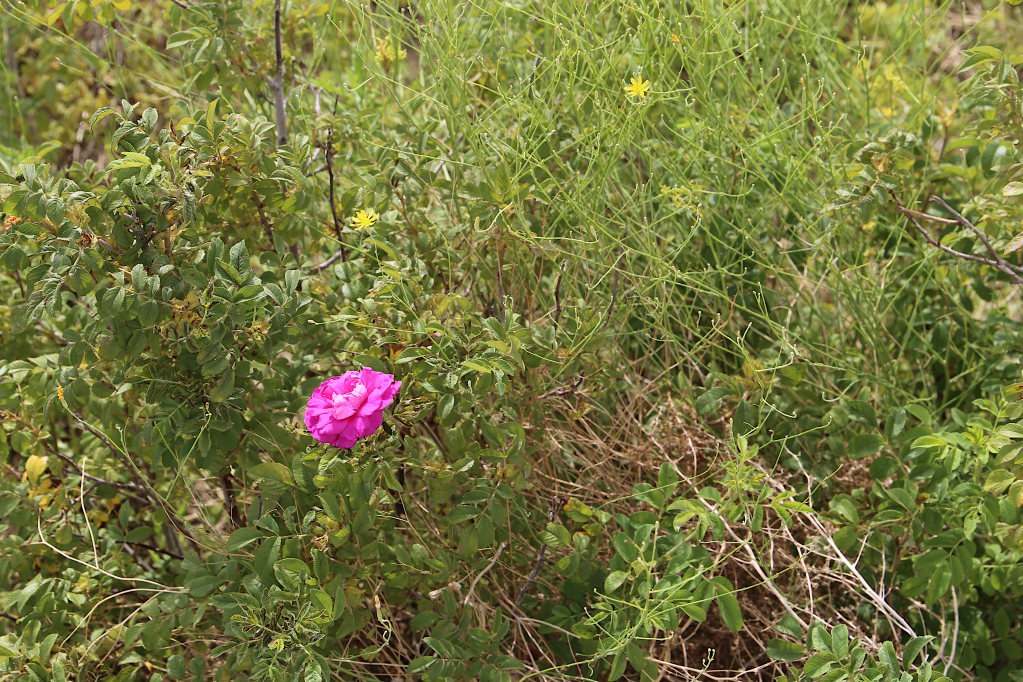
Tough plants 35C in summer, -35C in winter… 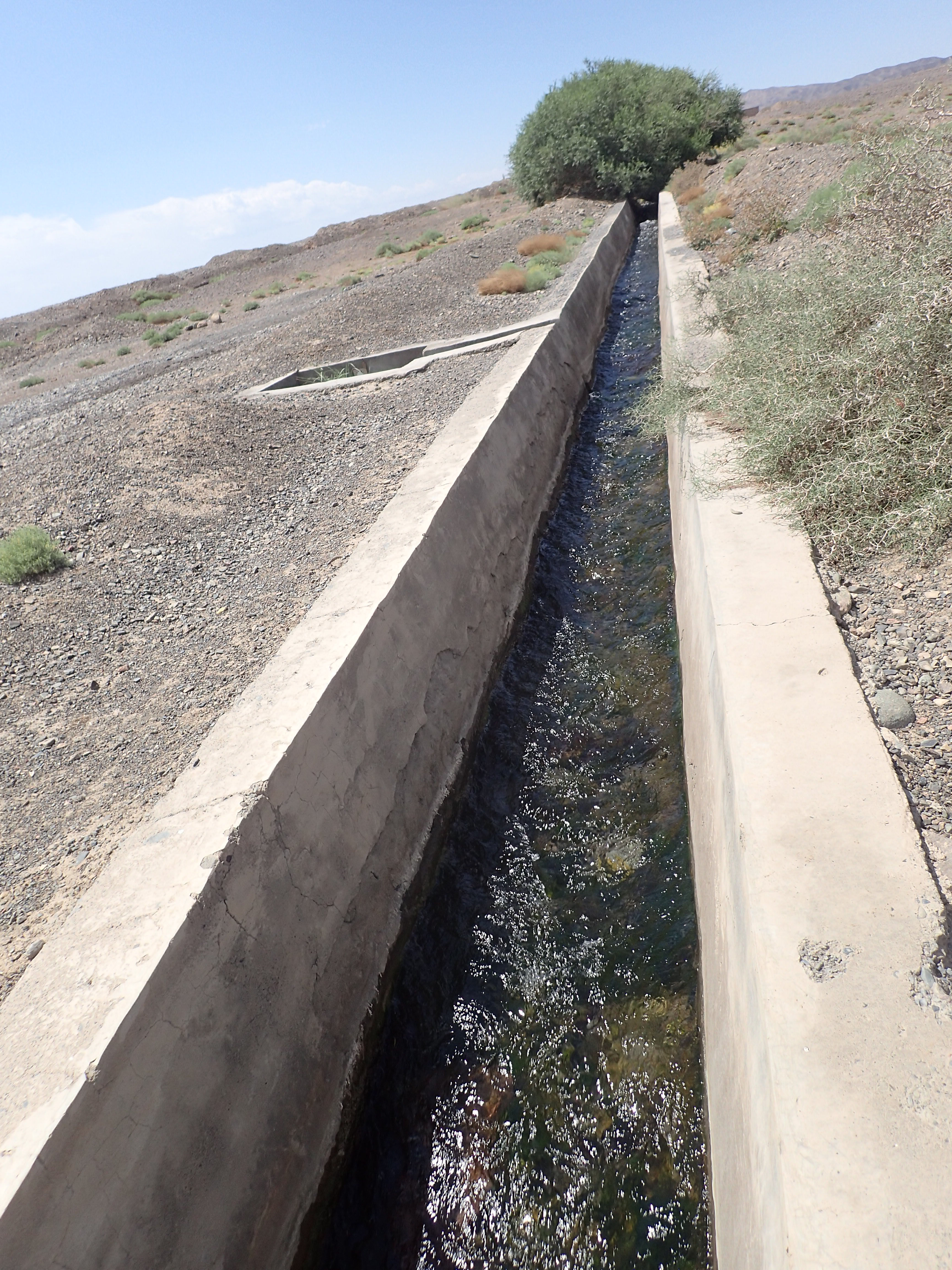
Water in the desert! 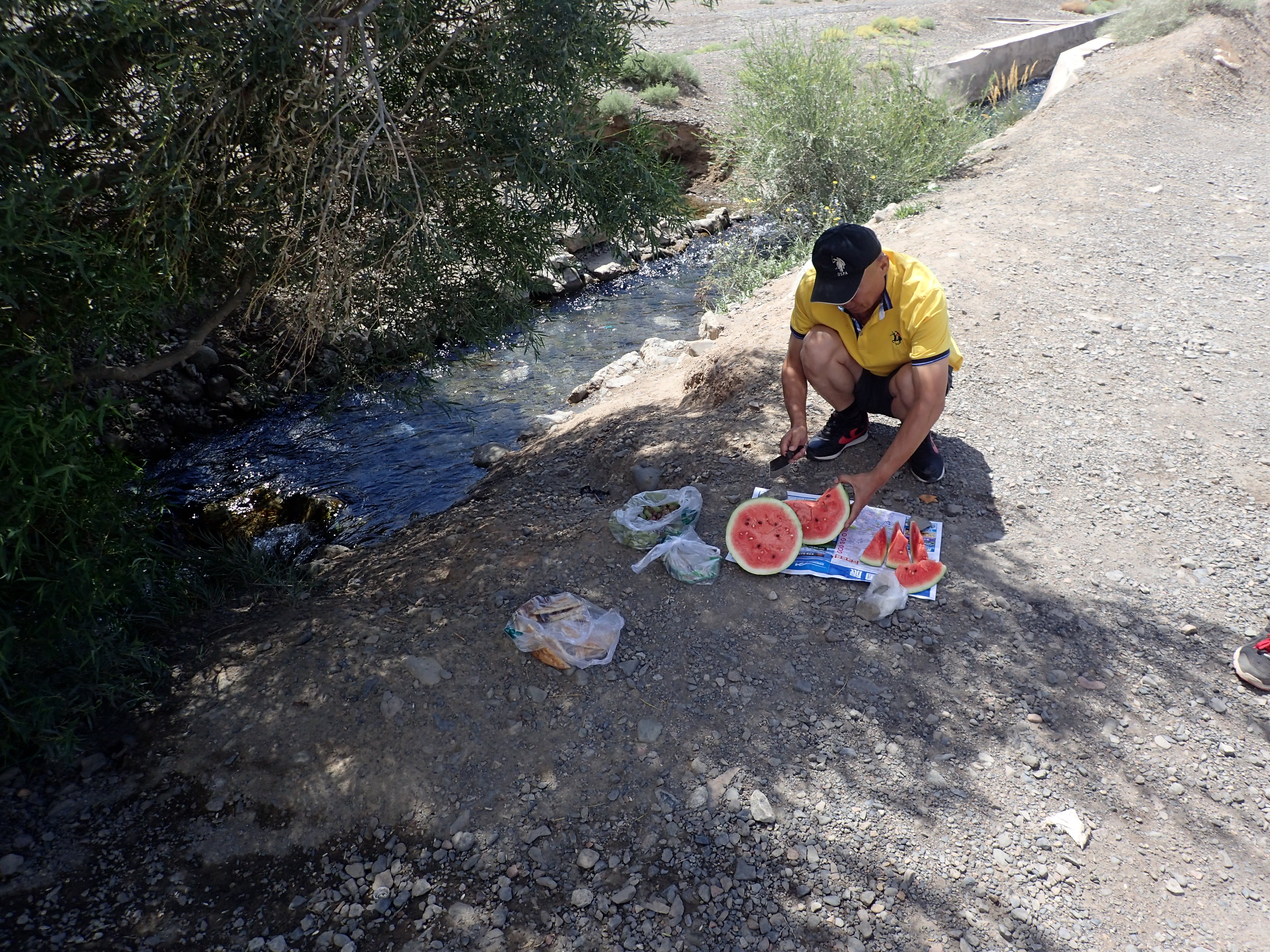
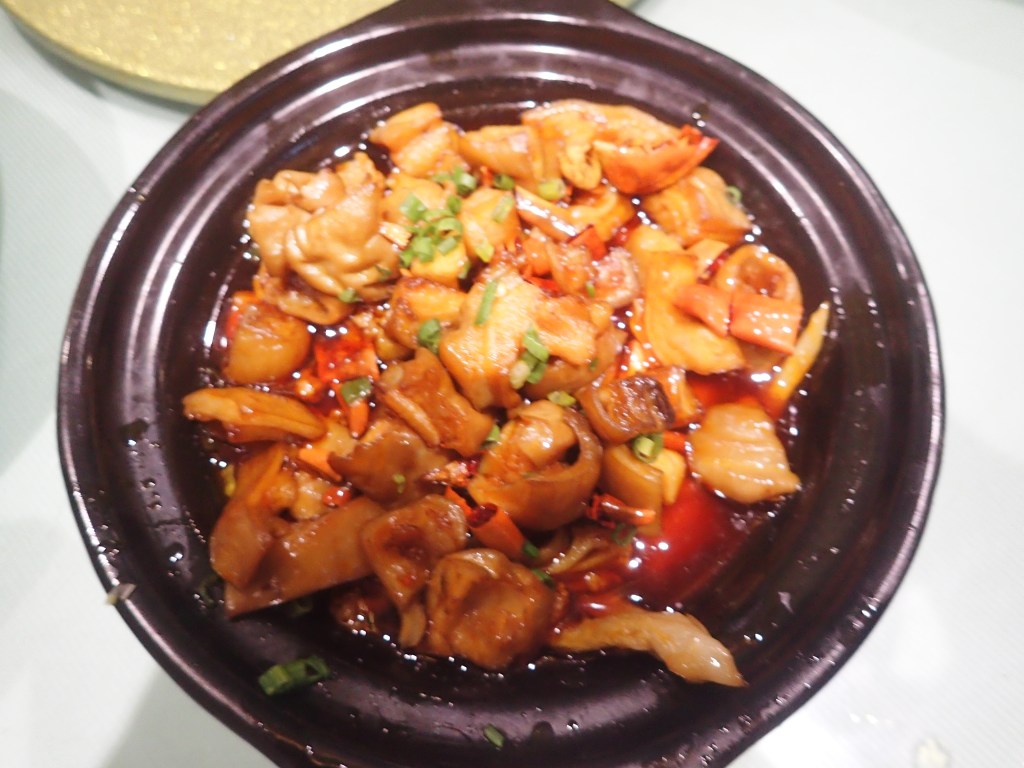
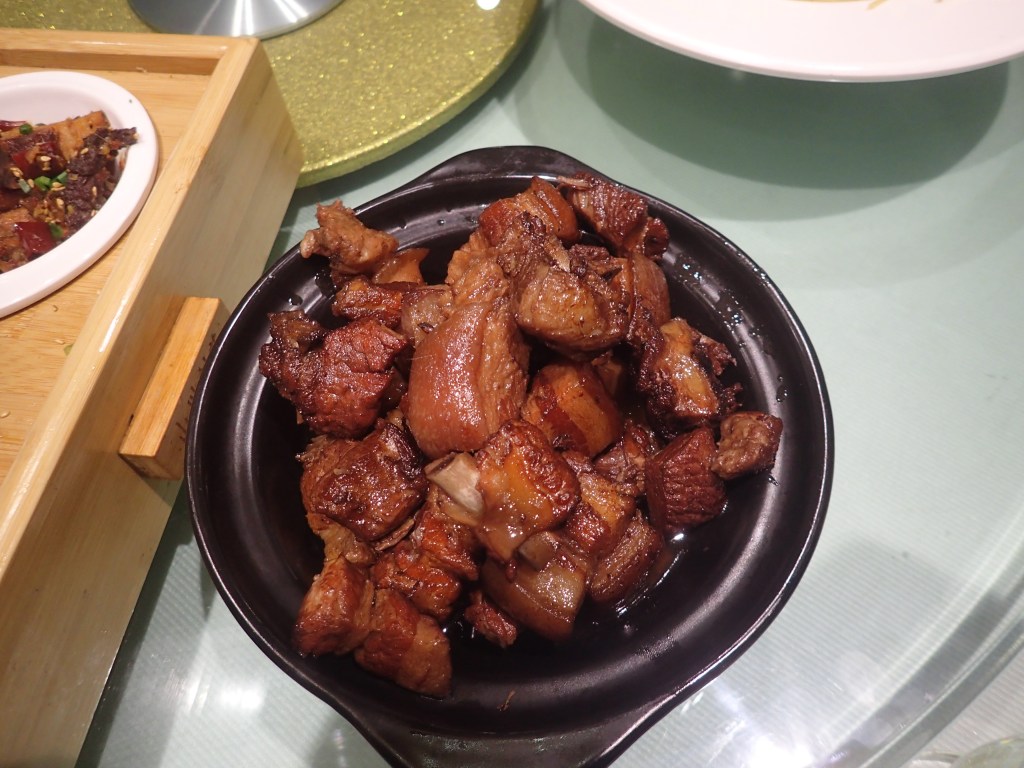
Lunch at the oasis 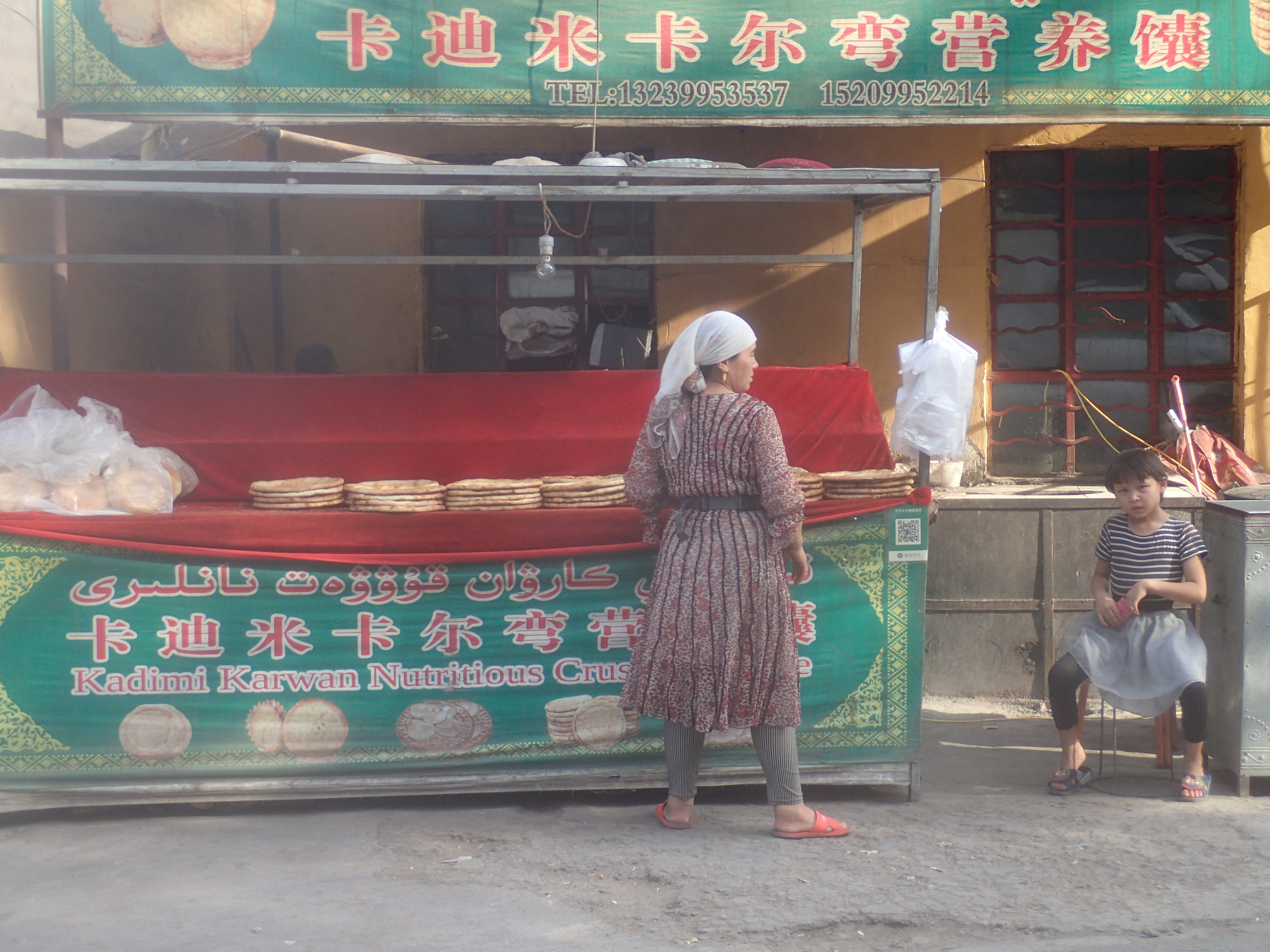
We purchased bread here 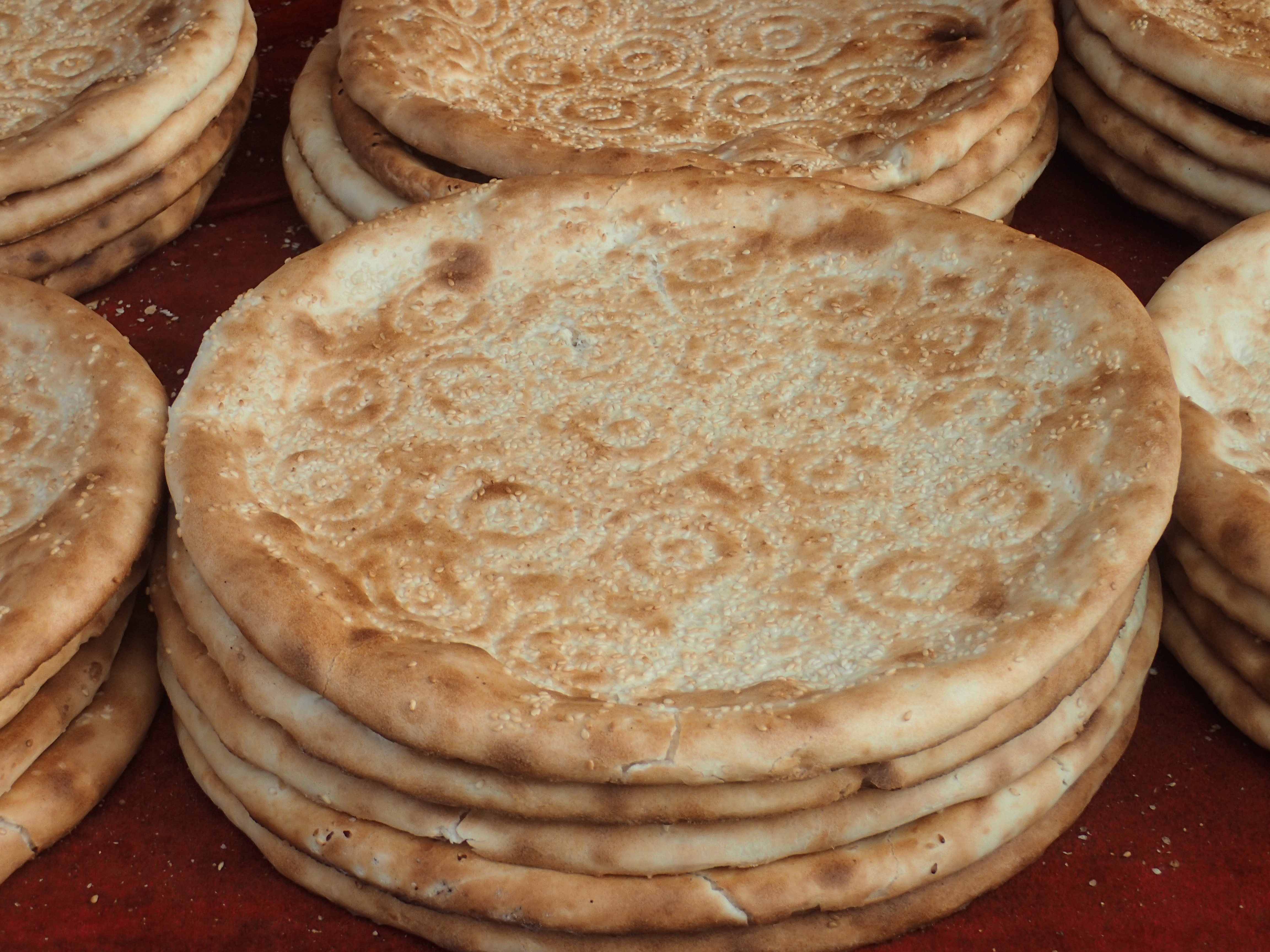
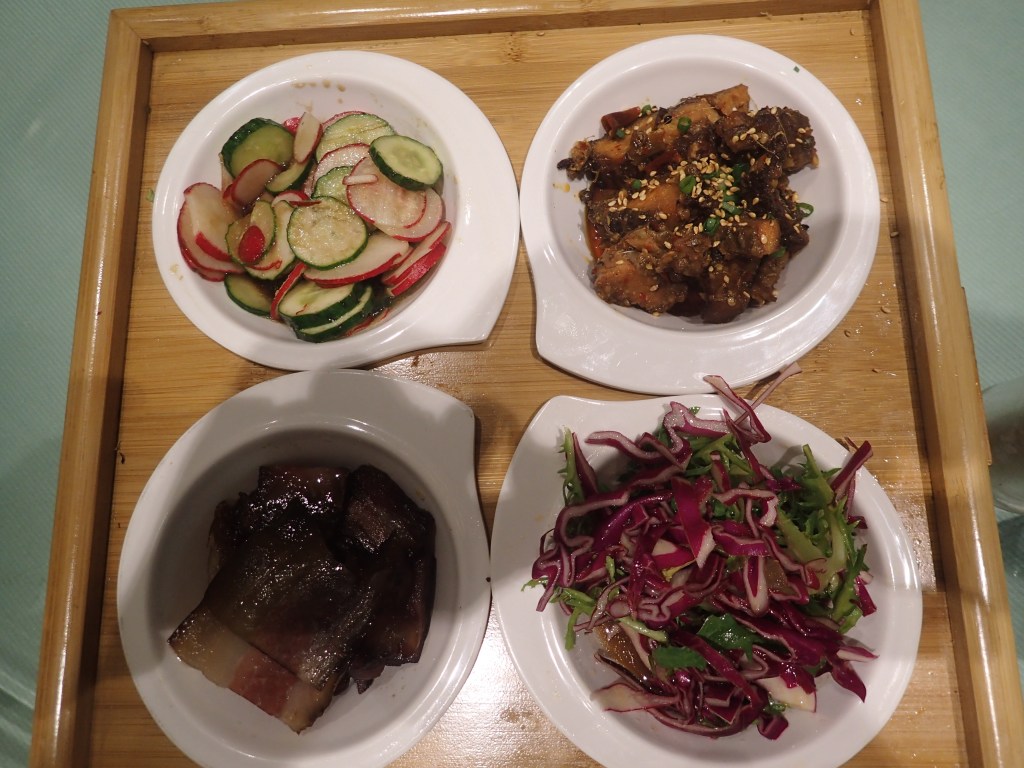
Absolutely lovely to eat … and artistic to boot 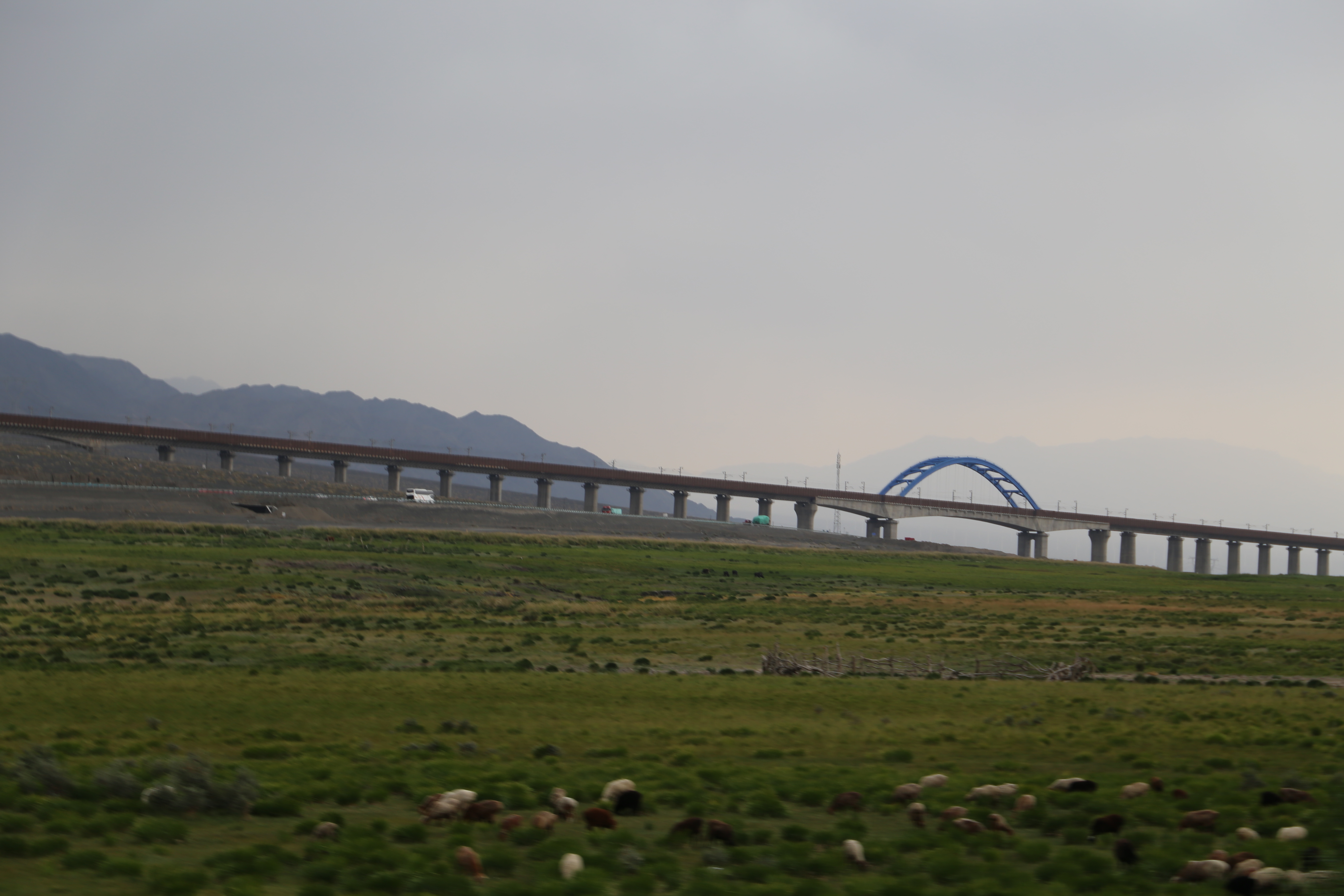
High speed rail across the steppes and the desert – Beijing to Urumqi at 300 kph 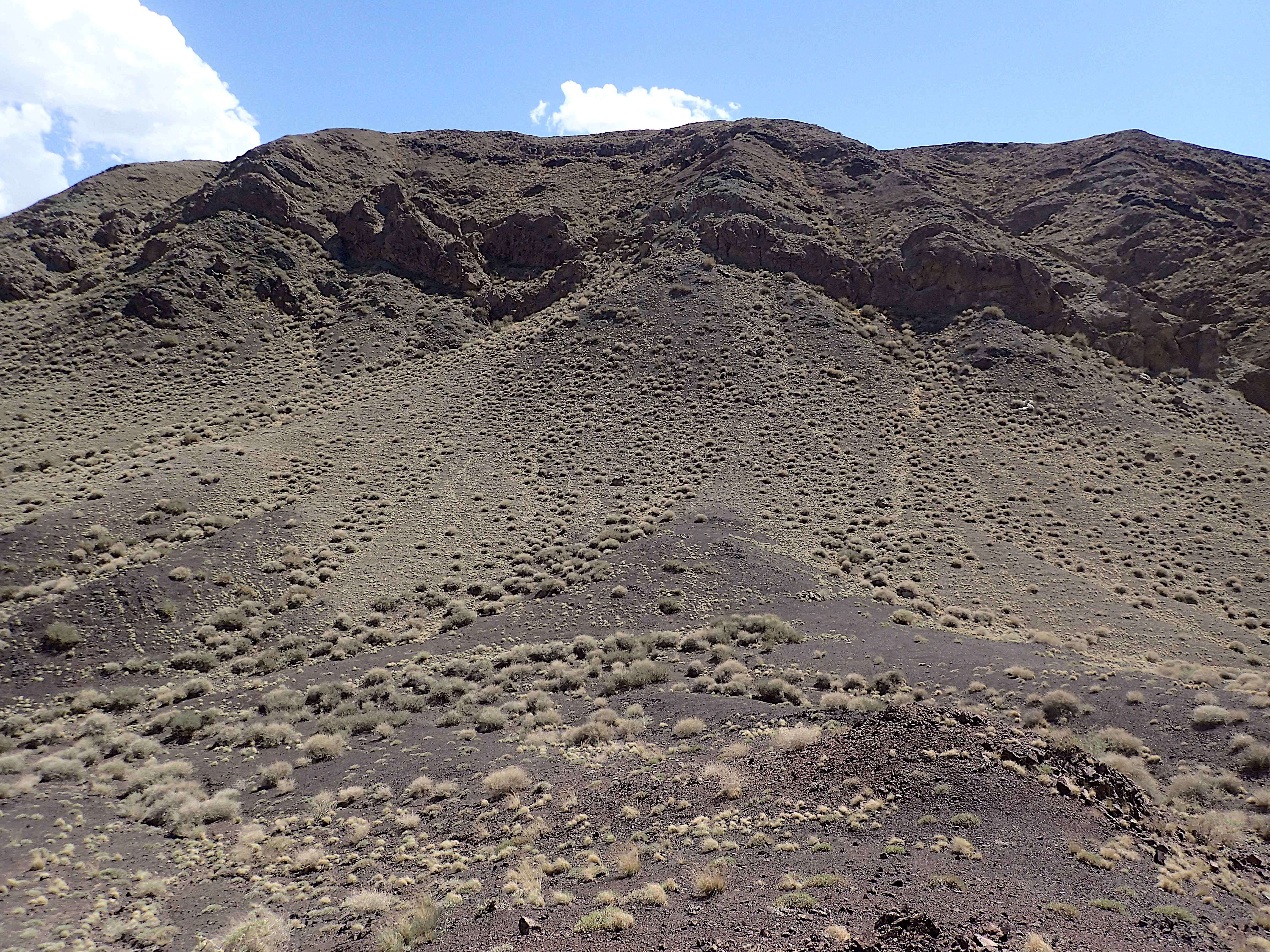
Chinese equivalent of the Australian spinifex and gibber landscape
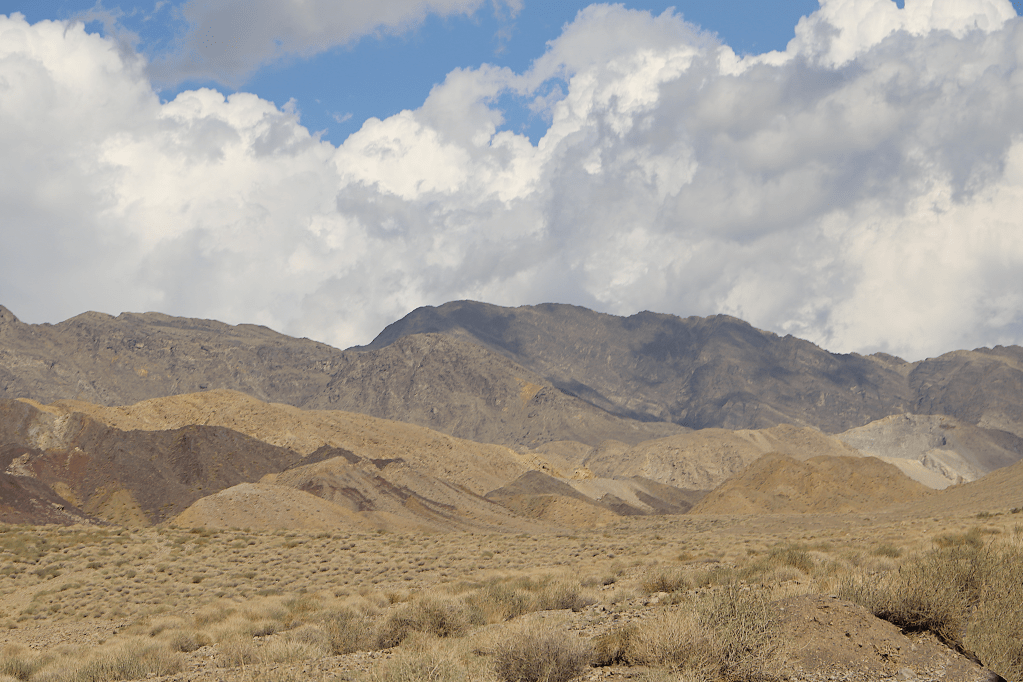
A rugged arid landscape. The rain-shadow of the the Himalayas, Pamir and similar. 
No orographic rainfall effects here! 
An enormous water-course cut from the landscape by snow melt. 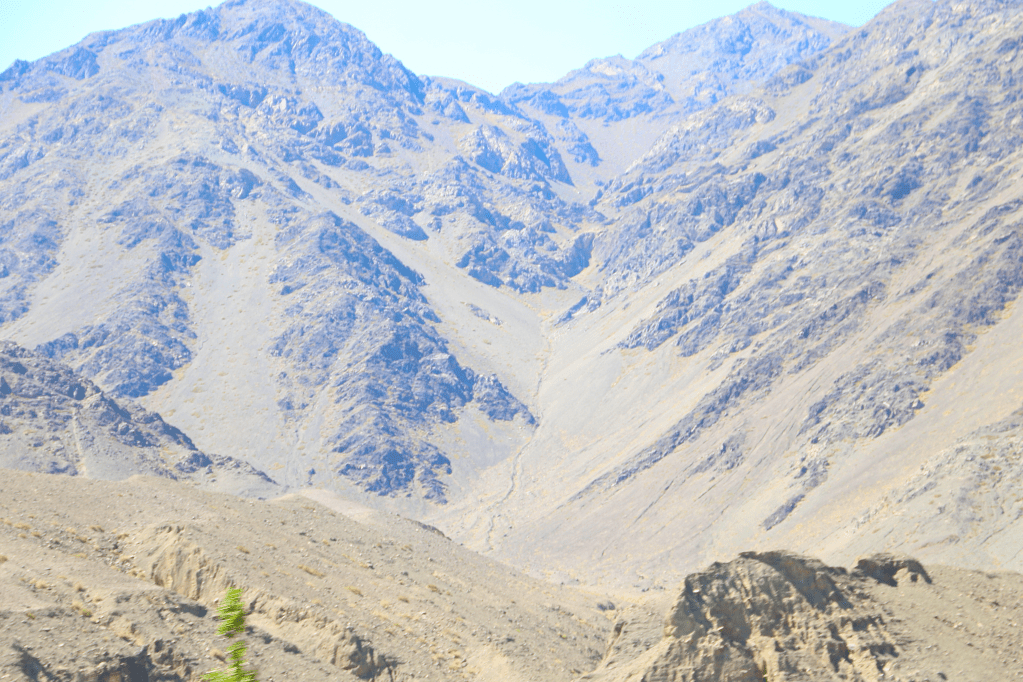
Only the tough survive here… 
The desert produces oil, wind and solar energy. 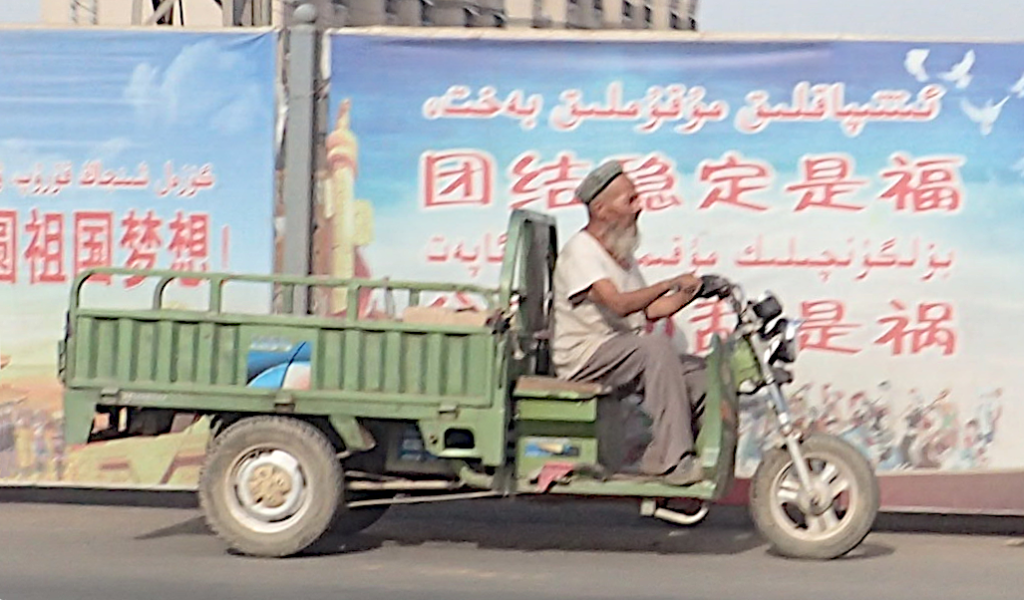
Most signs include Arabic and Chinese characters. 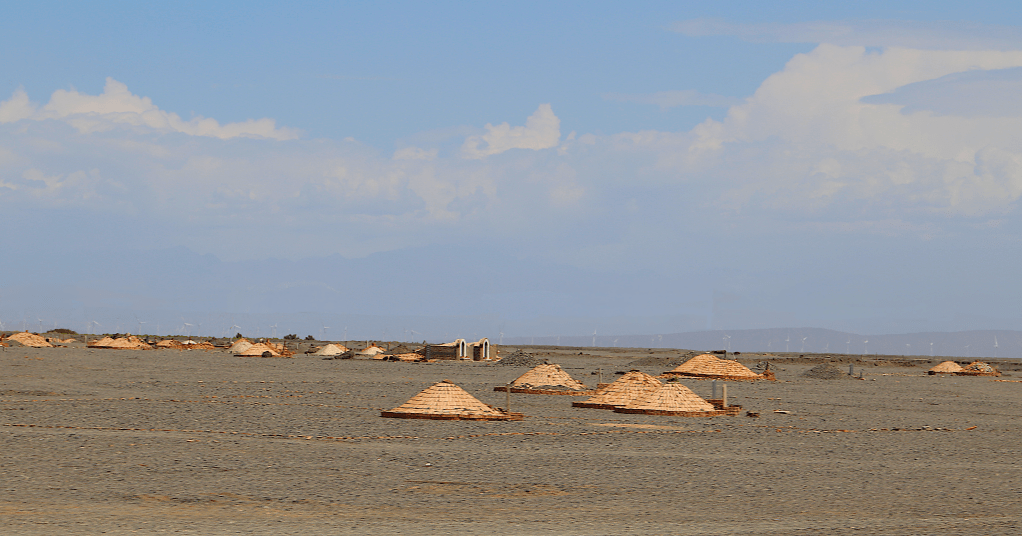
A desert grave-yard. Windmills in the distance. 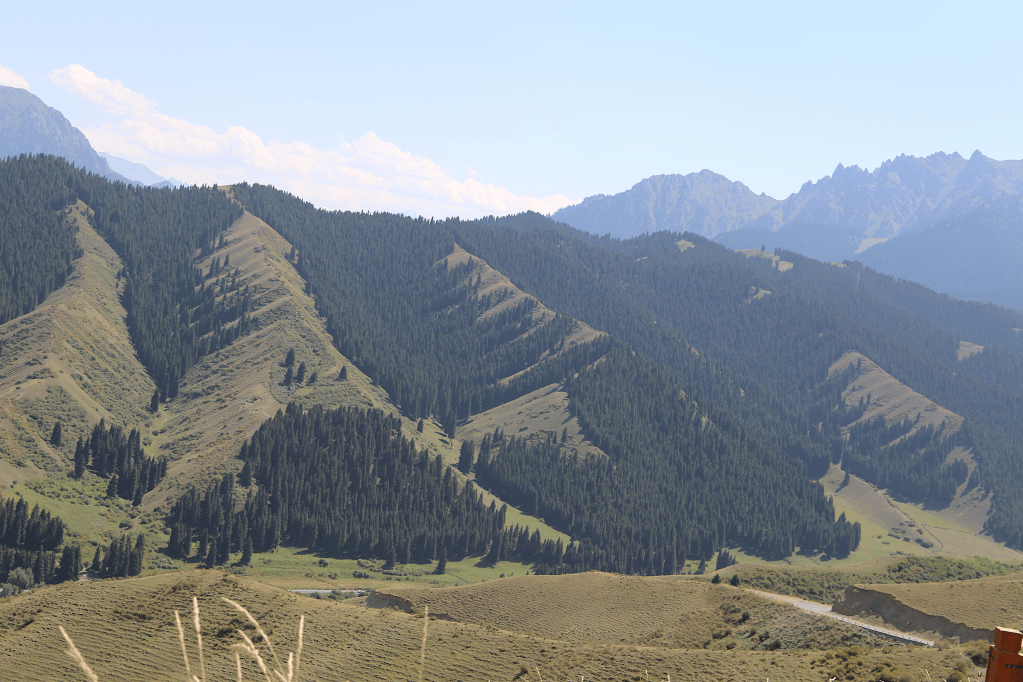
In the Tienshen foothills – the landscape is more European alpine 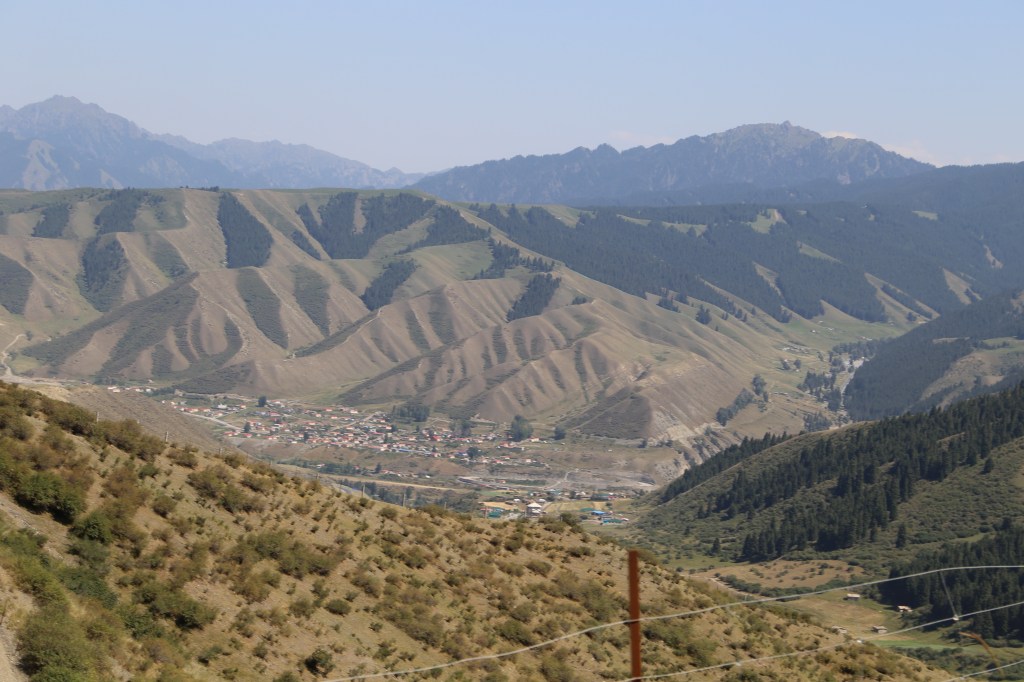
Deforestation is greatest near the town. 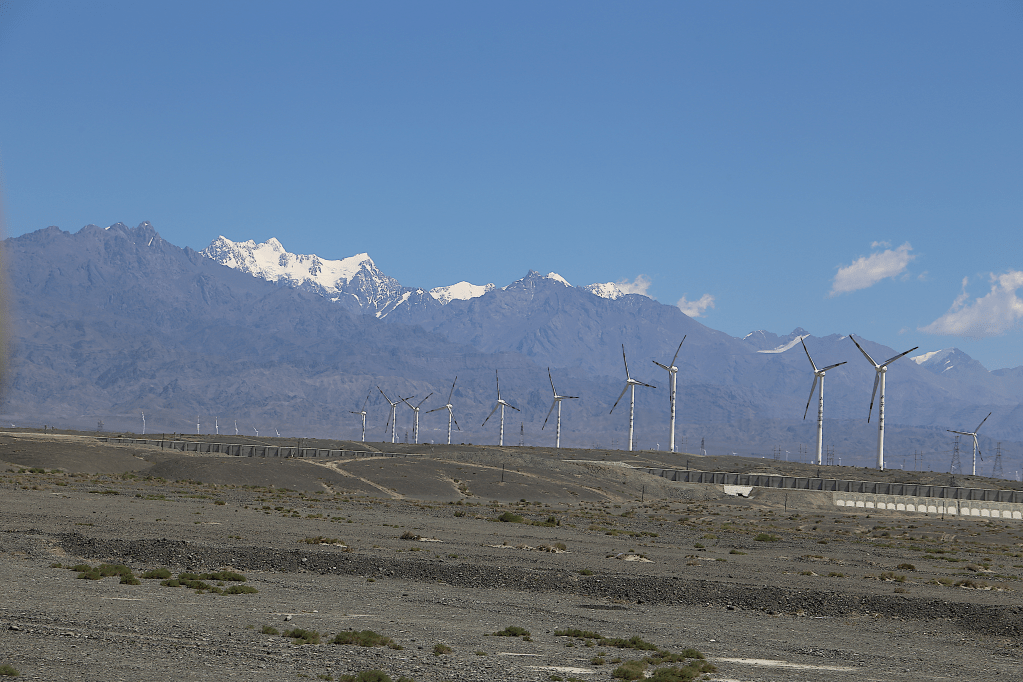
Ancient snow-capped Mount Bogdar overlooks a desert pass with windmills, fast trains and highways of modern China.
I was also taken to a market built around a minaret…I’m unsure if the minaret was still in use, didn’t look like it. The market seemed a little ‘up-market’ but was still fascinating. There were even shops selling ‘singing’ crickets!
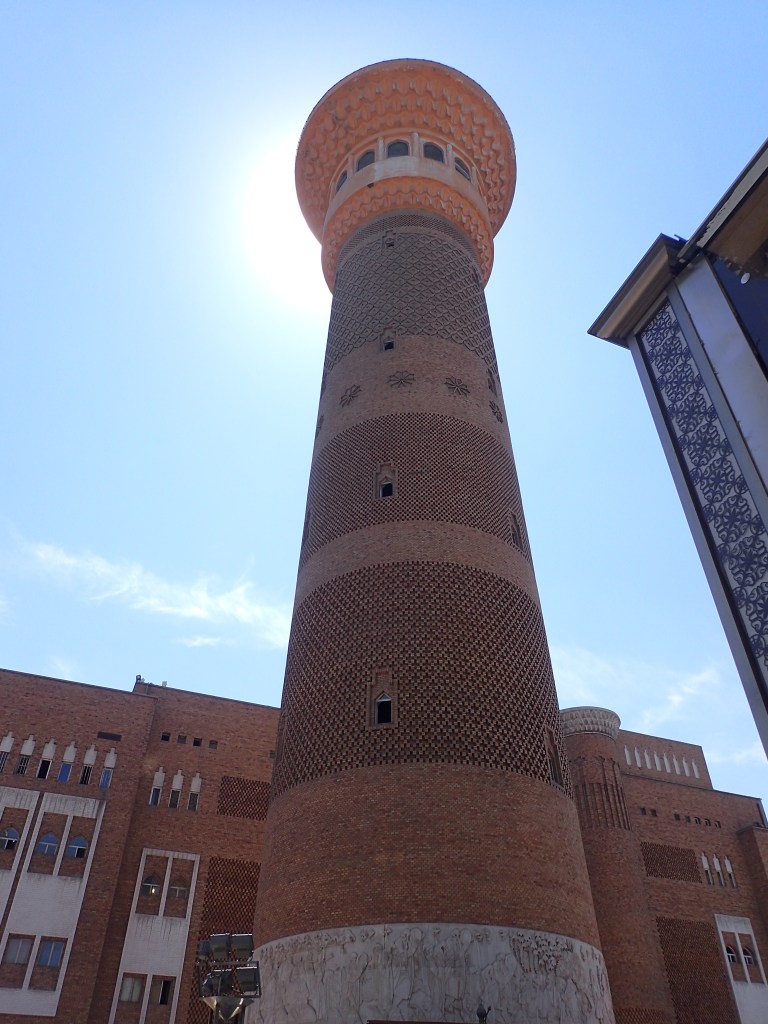
The minaret 
Inside the covered market 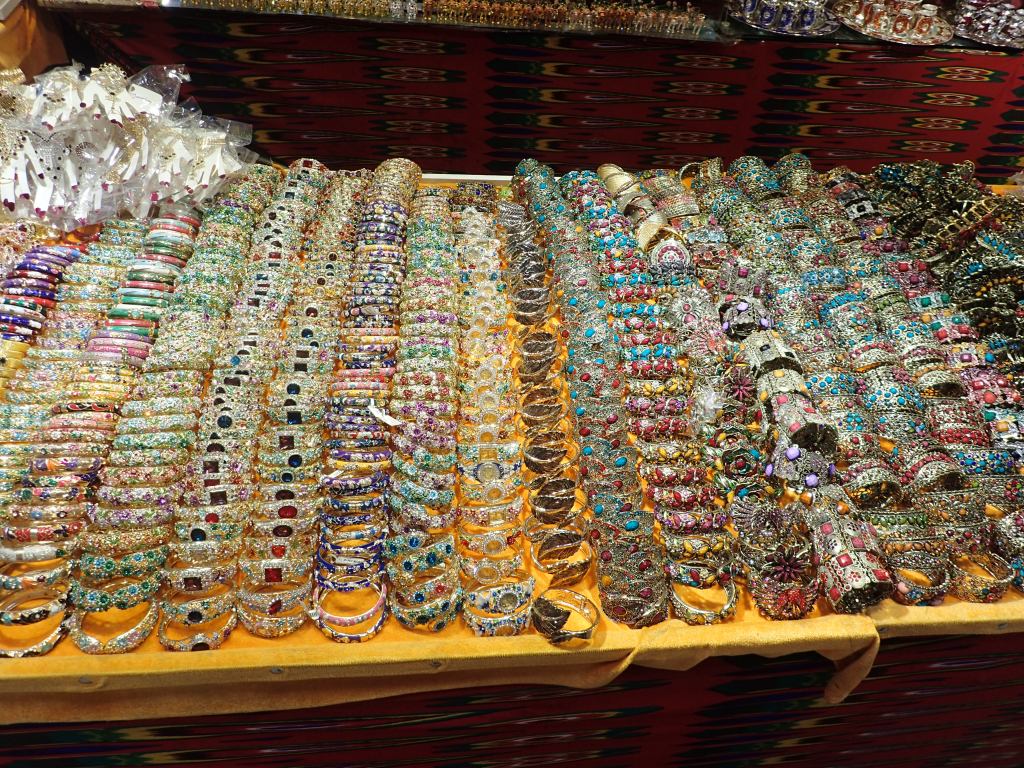
Magnificent BLING 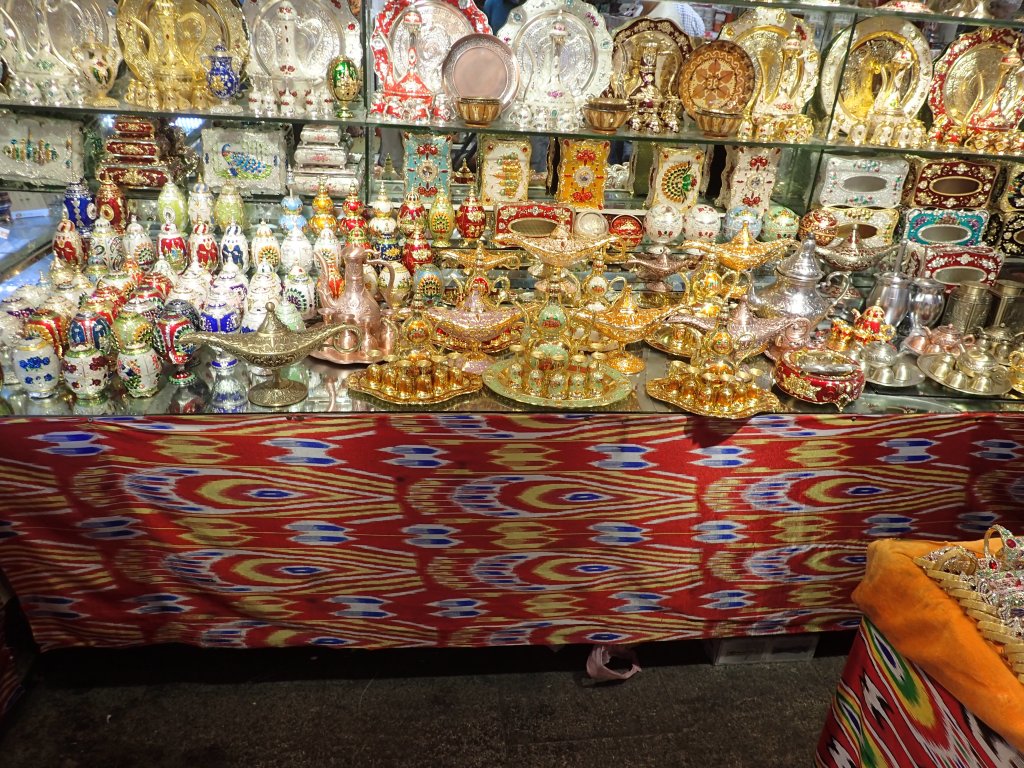
More BLING 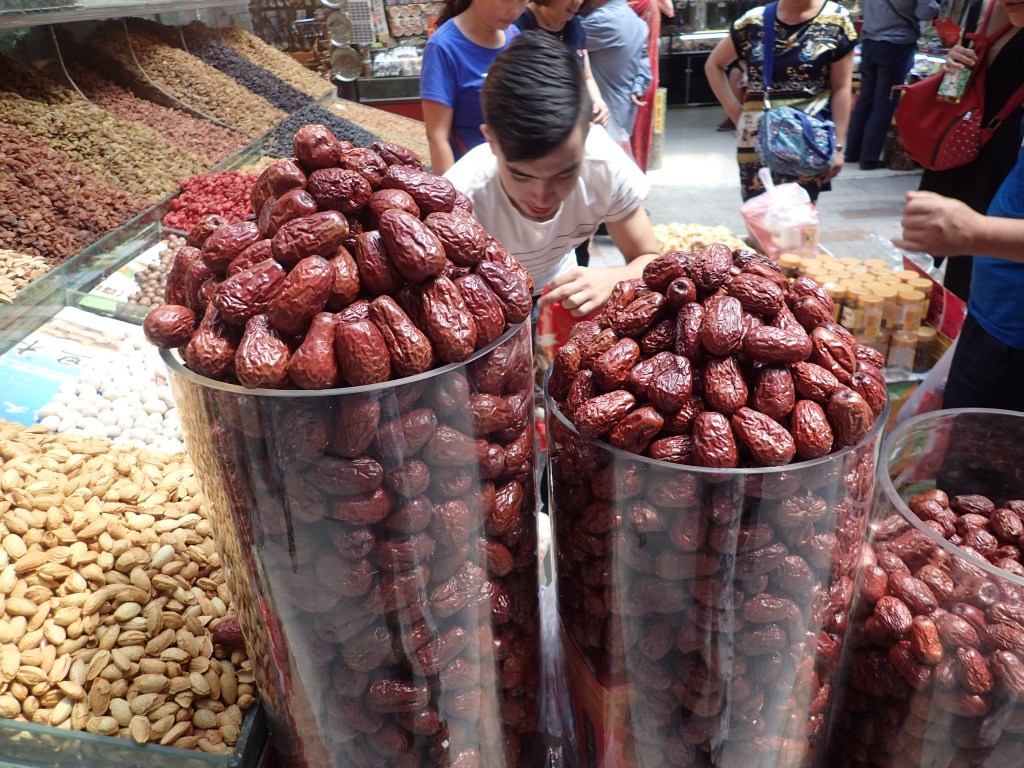
Luscious dates 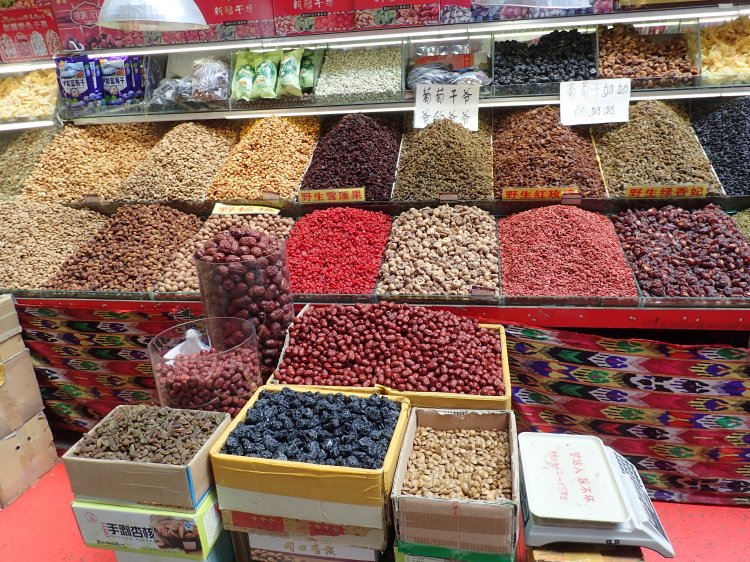
A temptation to overshop 
Medicinal plants 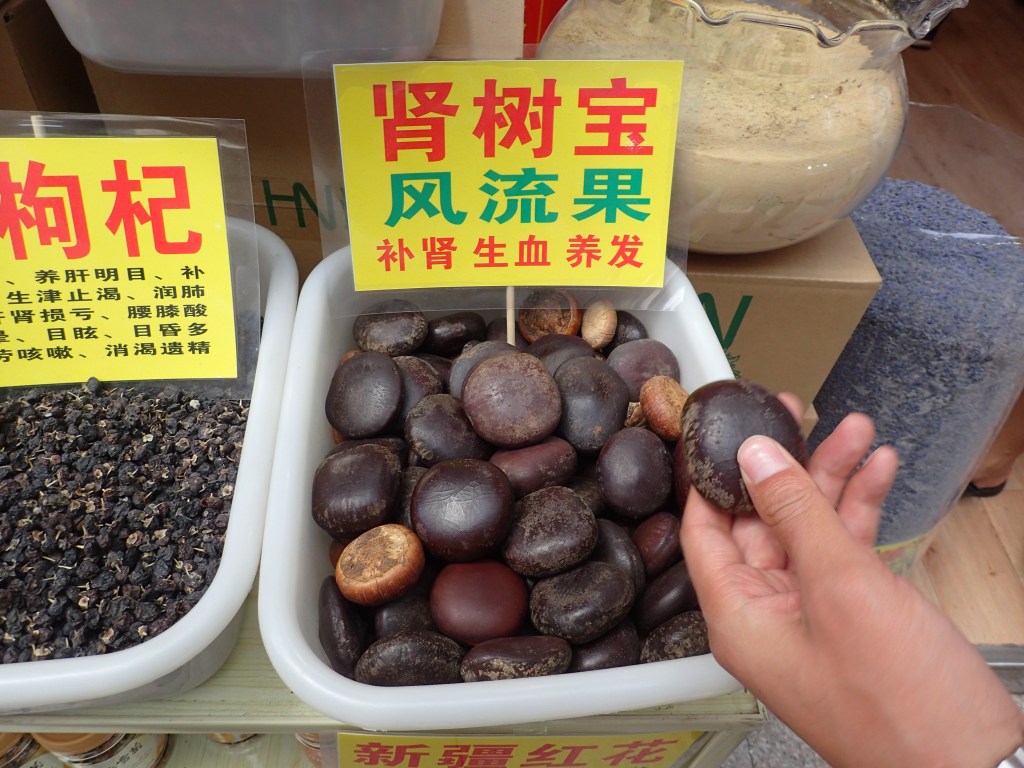
Castanospermum seeds? 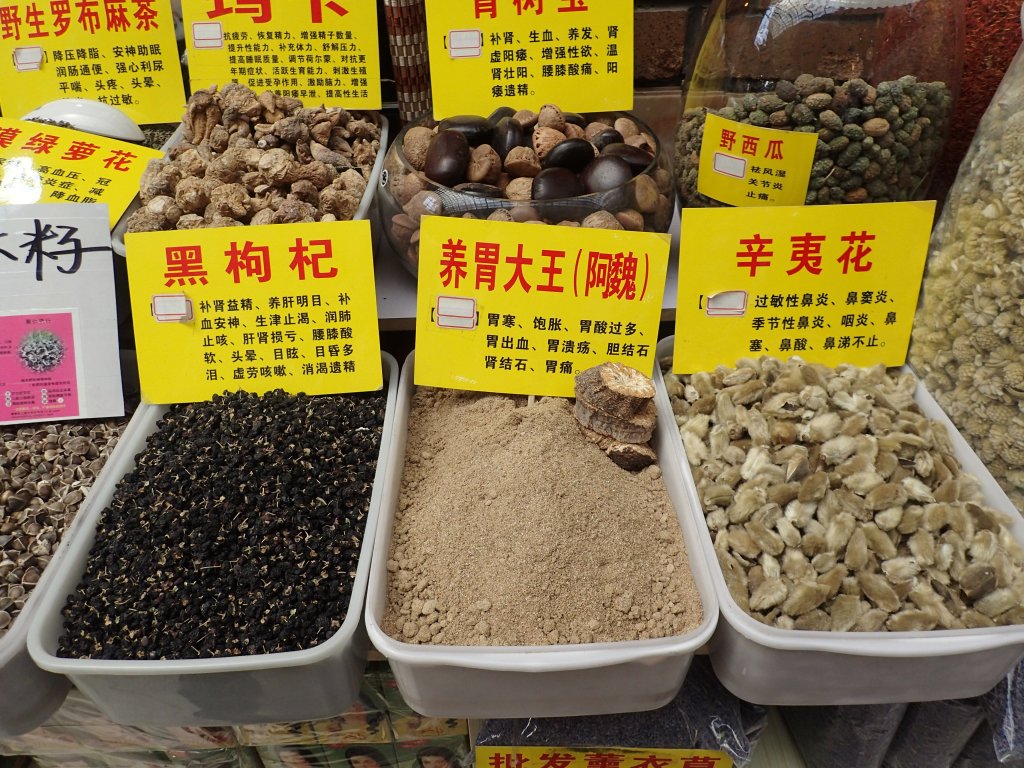
More biological medicines 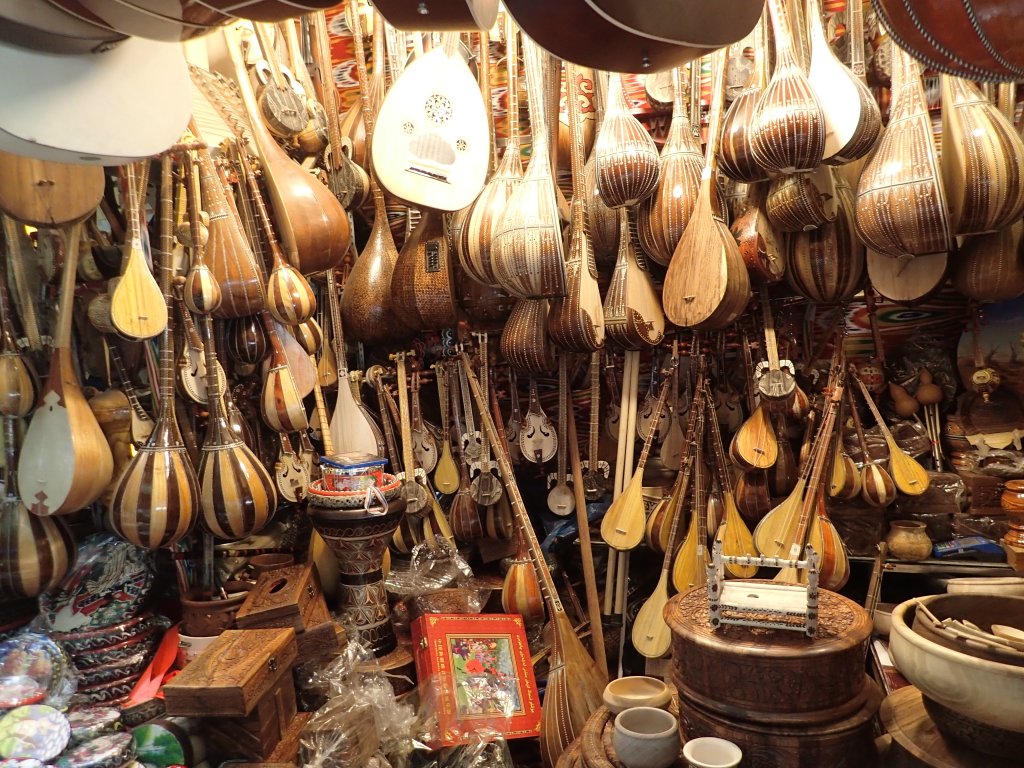
A folk musician’s cornucopia! 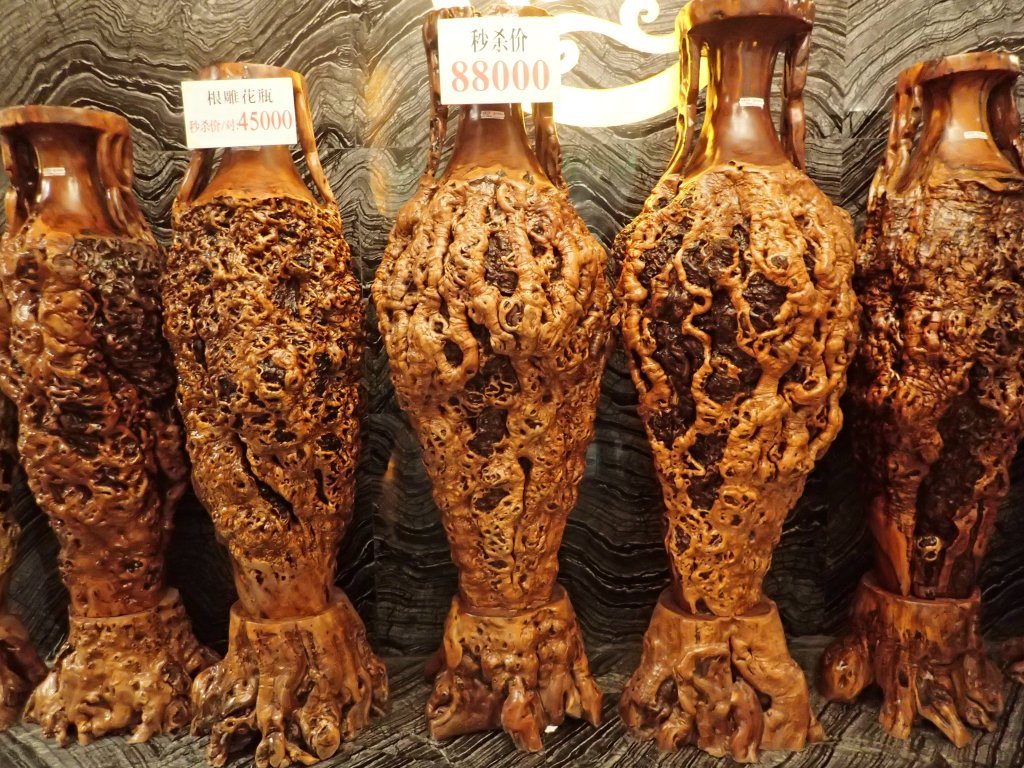
Carved from tree trunks 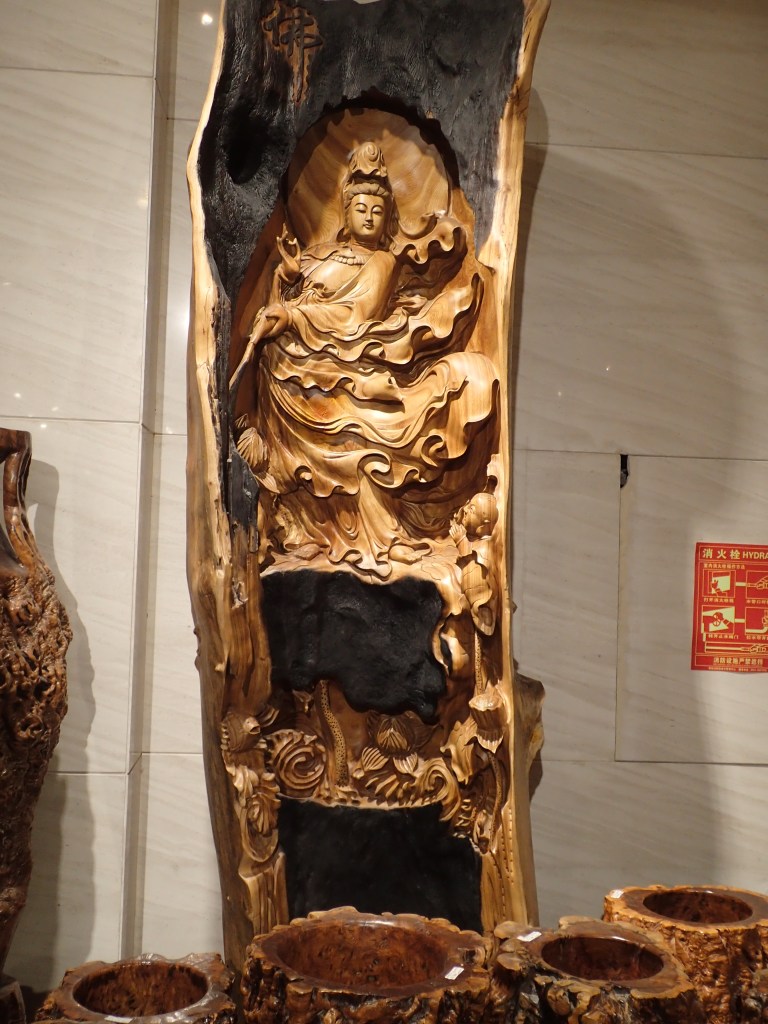
Superb Buddha tree-trunk 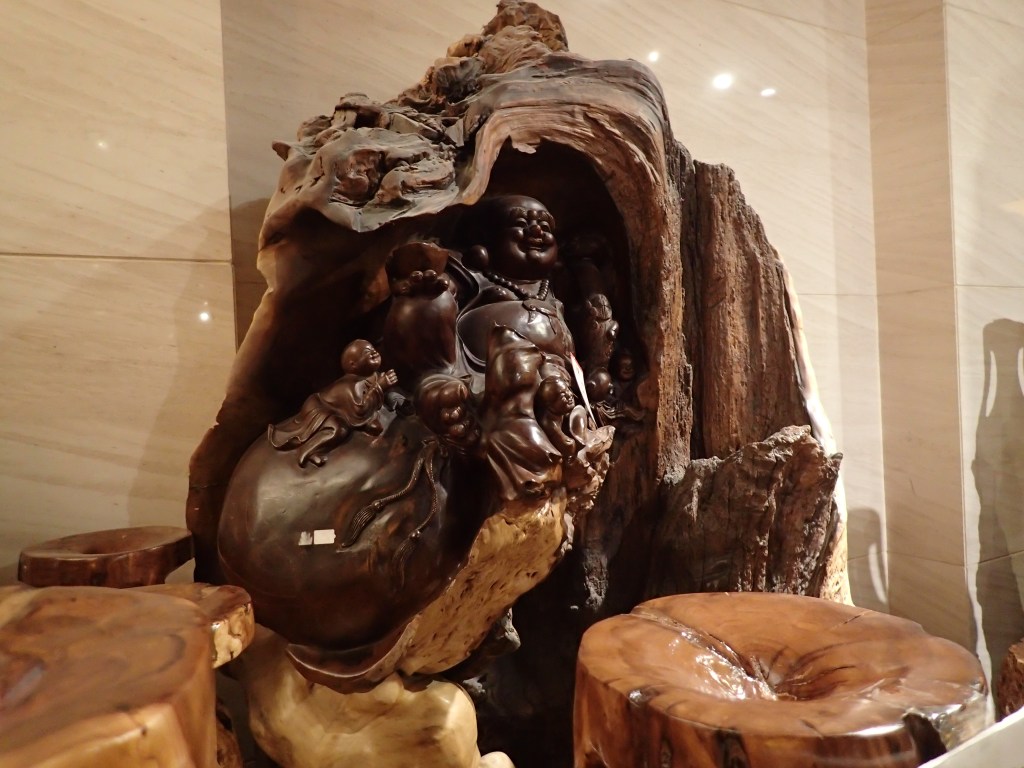
Another beaut carving 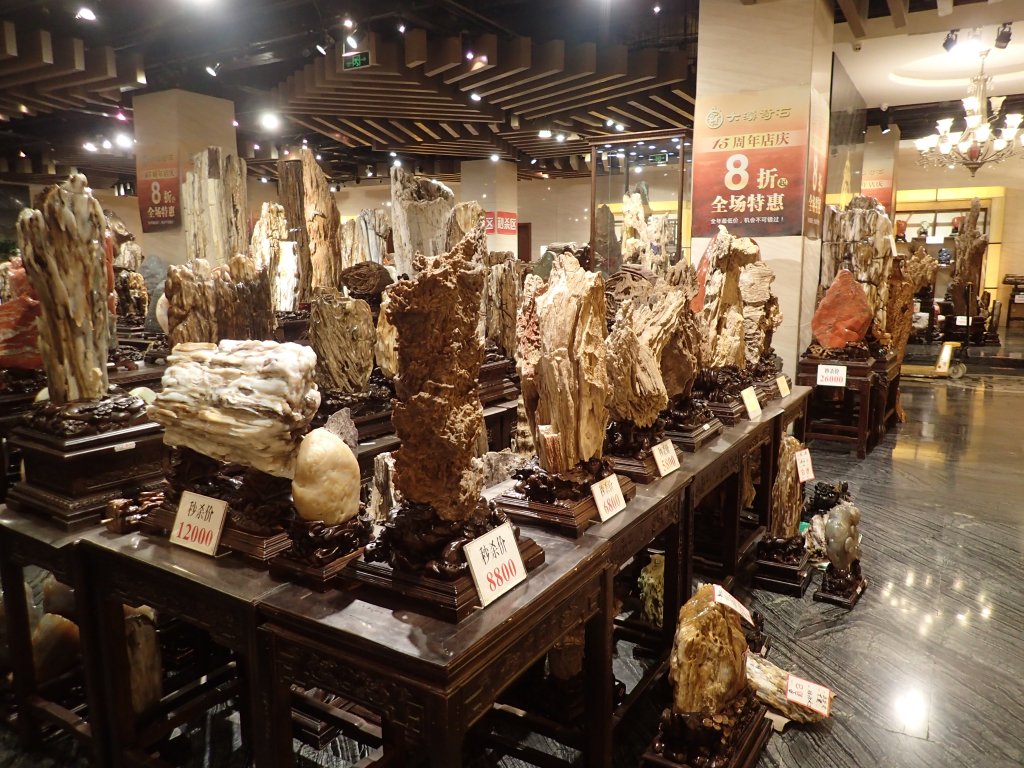
Petrified wood 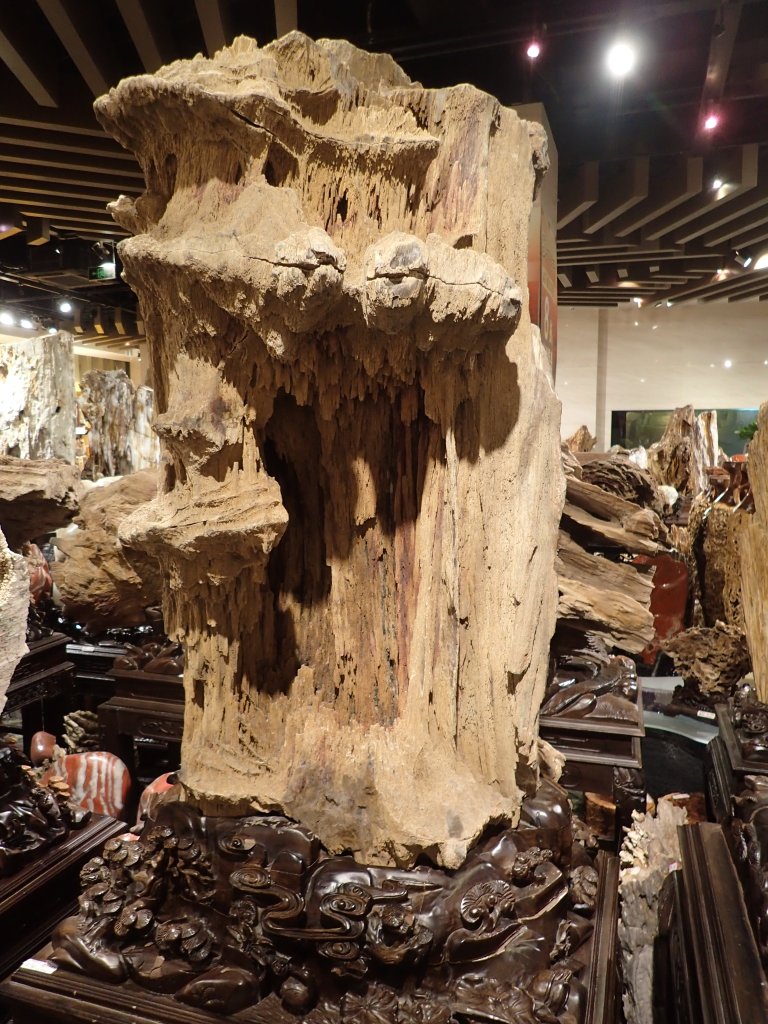
Carved and fossil wood 
Burl to Buddha – magnificent!
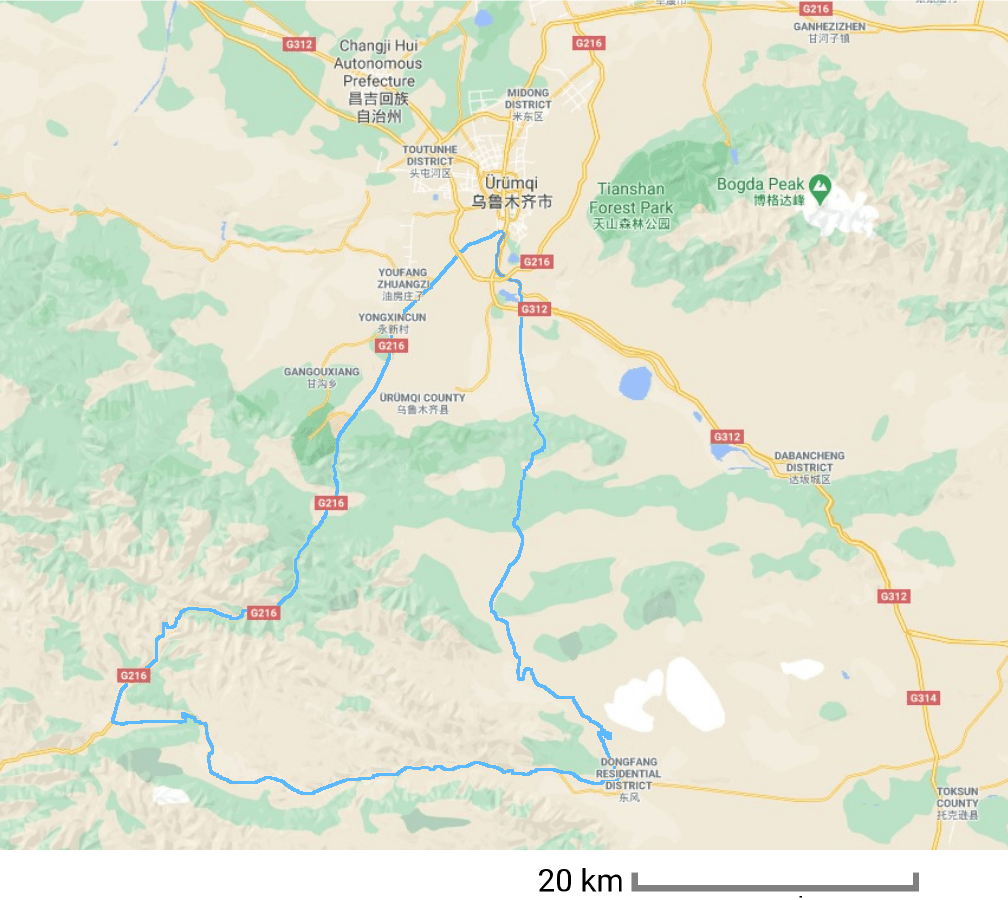
We did a day-trip into the foothills of the Tian Shan mountains southwest of Urumqi. An almost European highland landscape, very different to the arid hills in the vicinity of Turfan to the south. Once again we did not see any CAM plants but it turned out to be a beautifully clear day perfect for sightseeing. In the map below, the path that I think we took is outlined in blue.
Lunched in a yurt on mutton kebabs prepared by a Uyghur woman (I think) and continued to higher slopes where we visited the Nanshang Observatory with its 25 m radio telescope.
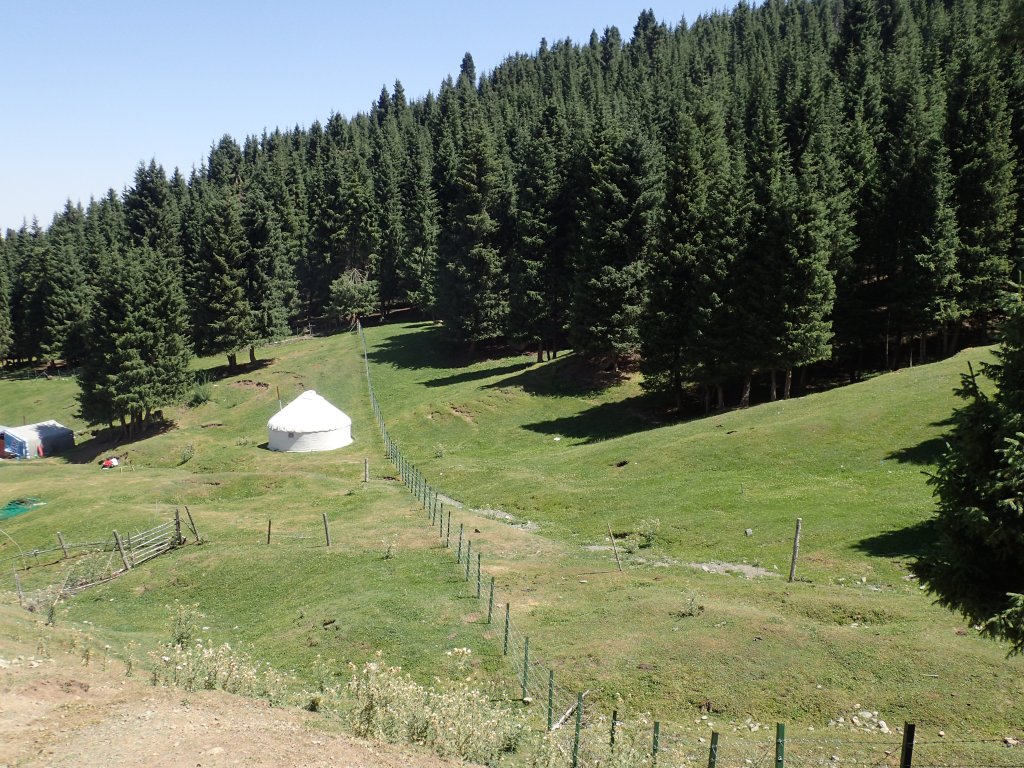
Up in them thar hills 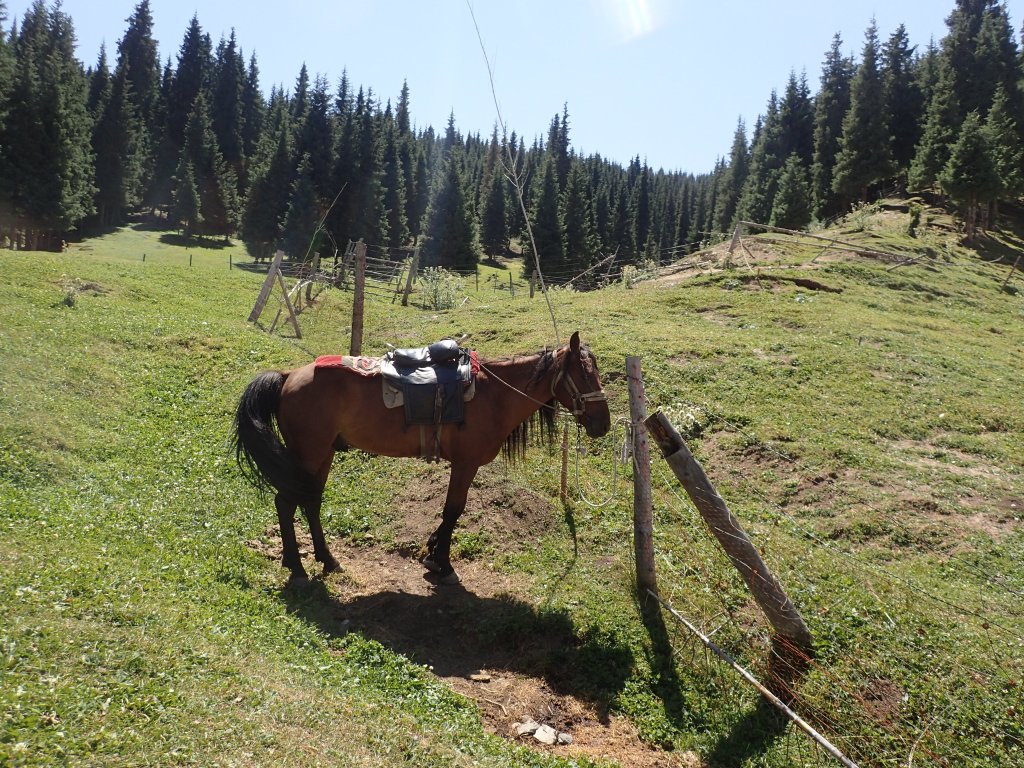
are ponies 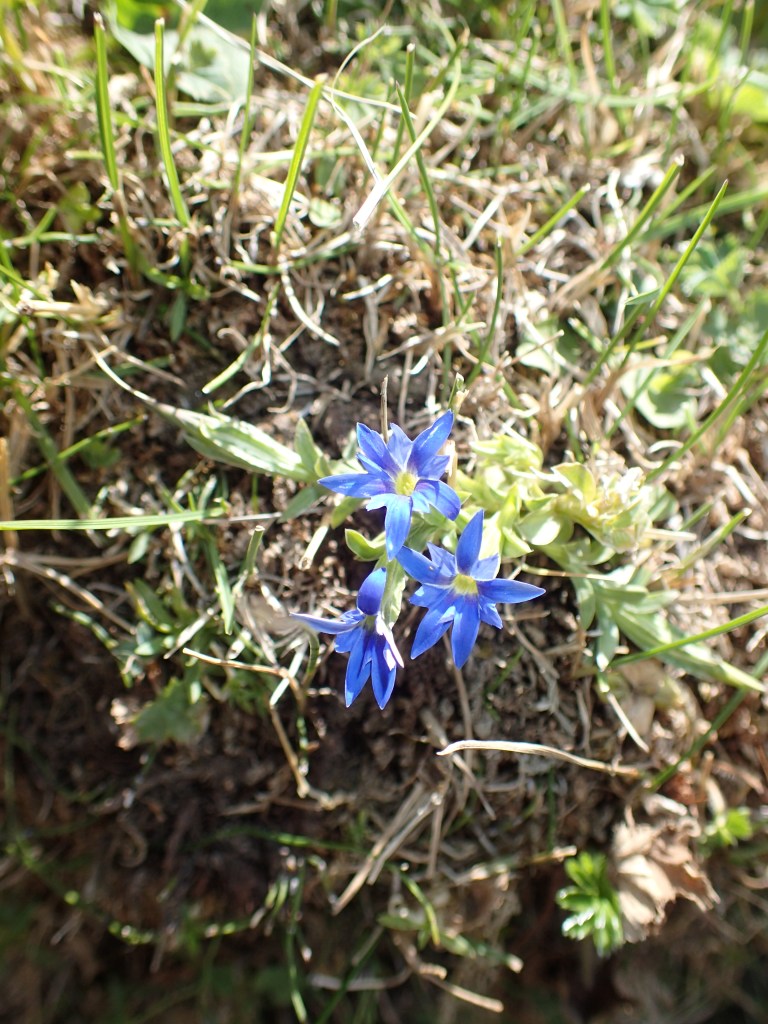
and gentian 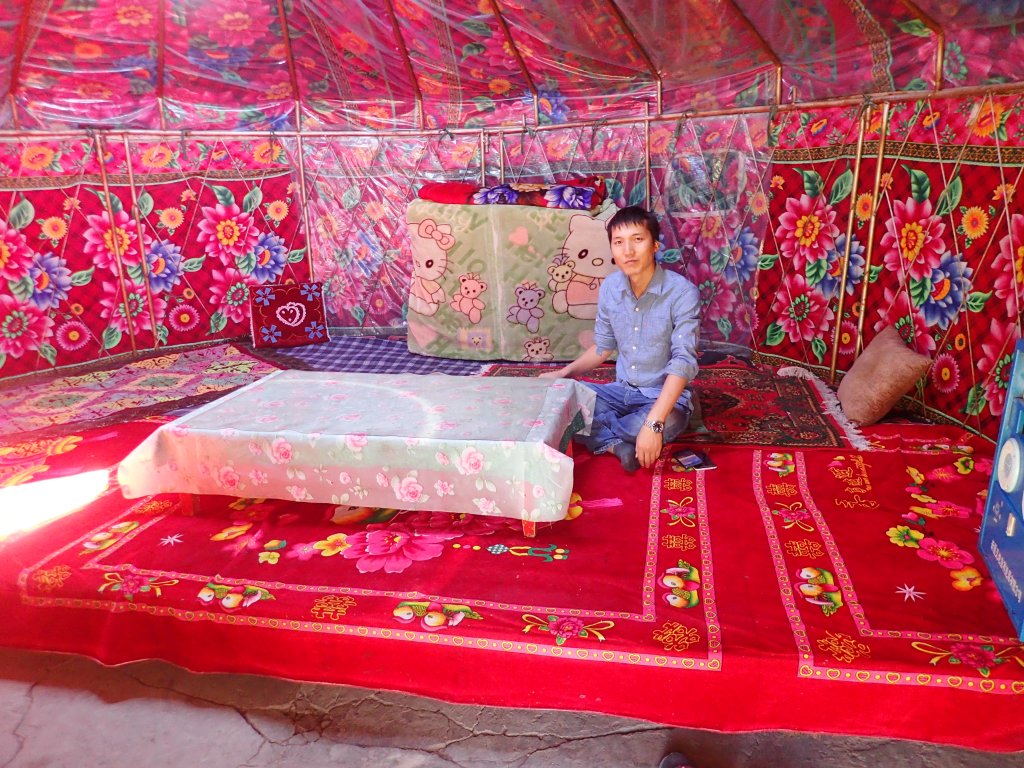
and well-upholstered yurts… 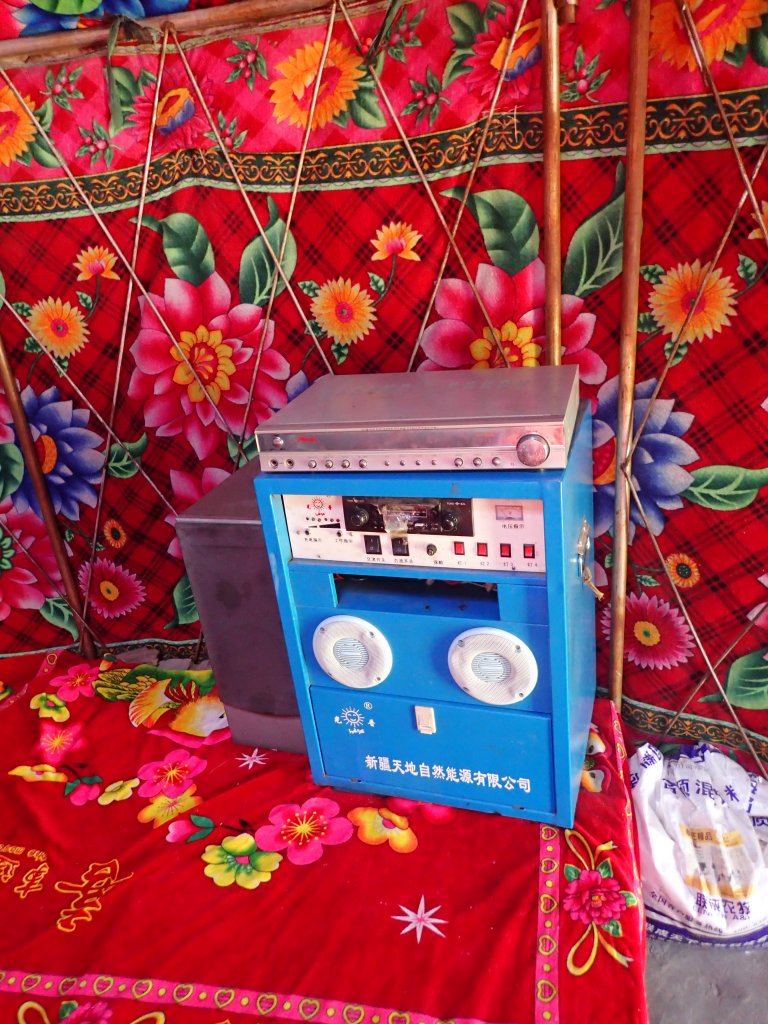
Each with a boom box 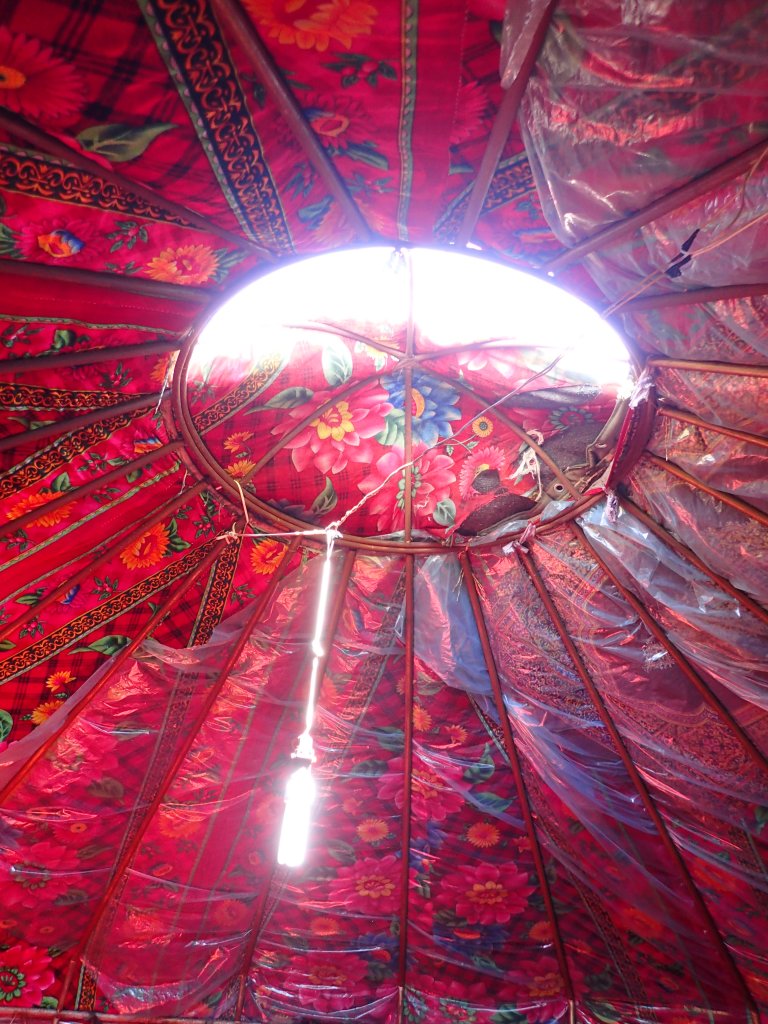
and electricity 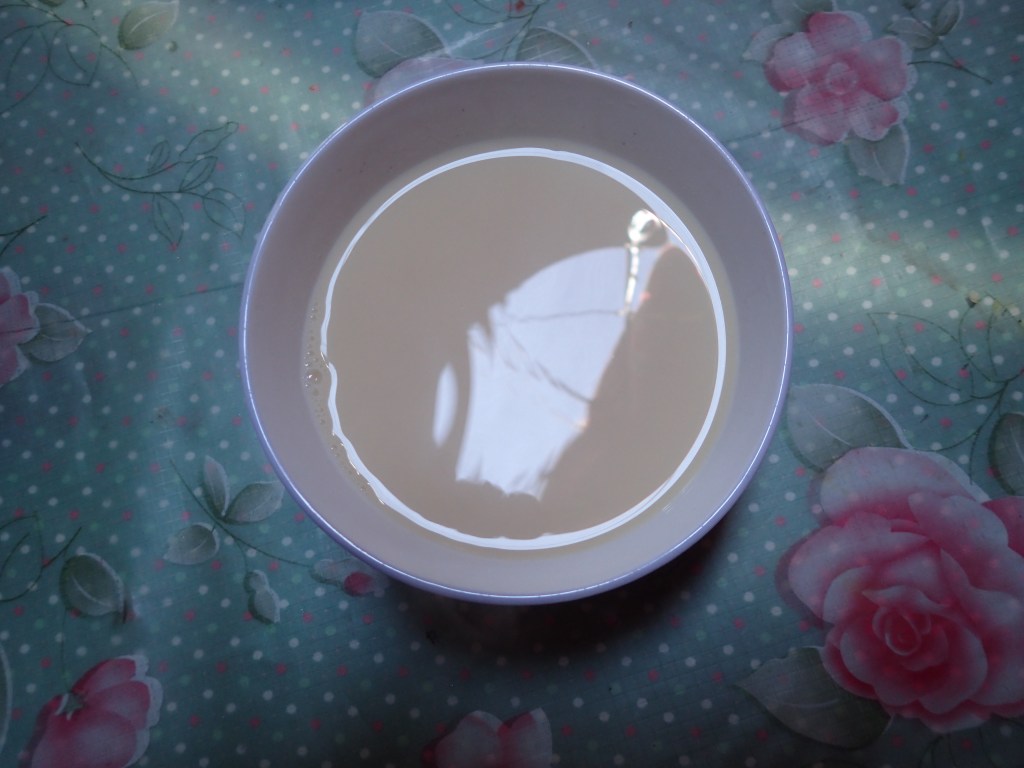
Salty tea 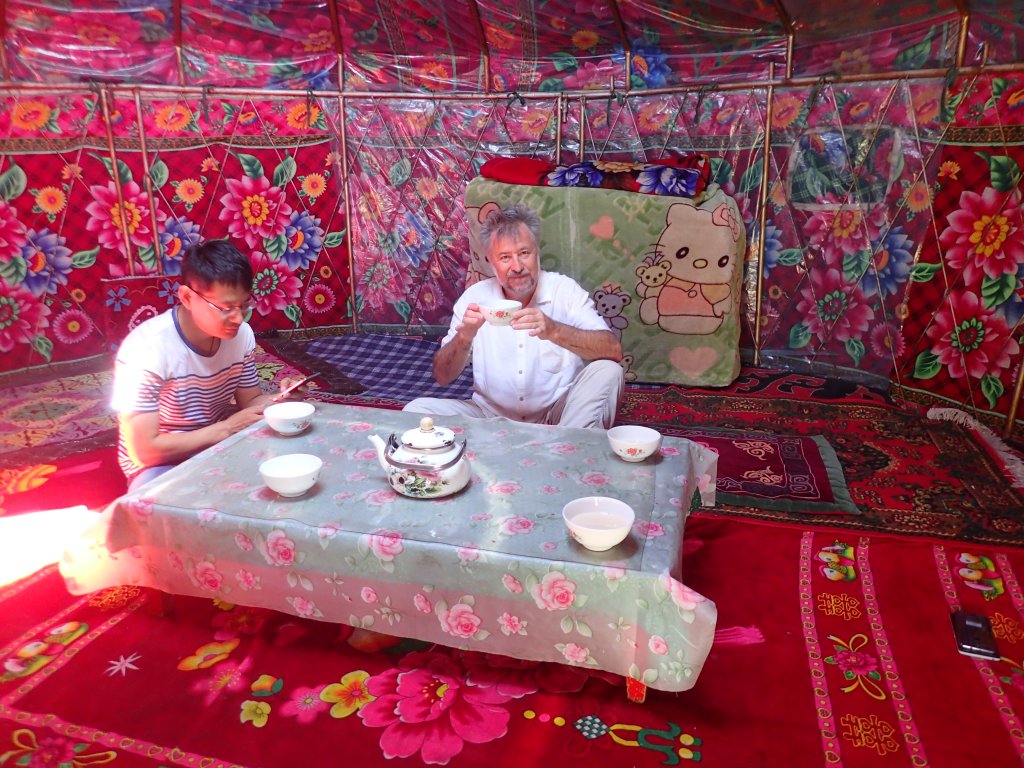
Expanding tummy 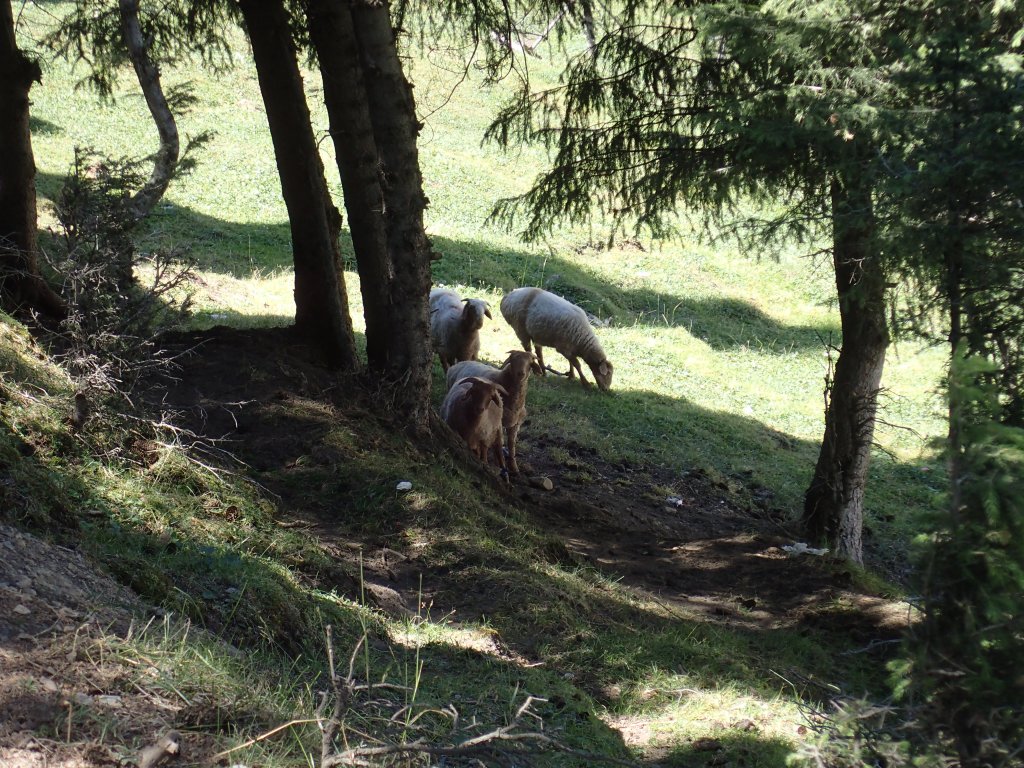
The sheep graze the meadows 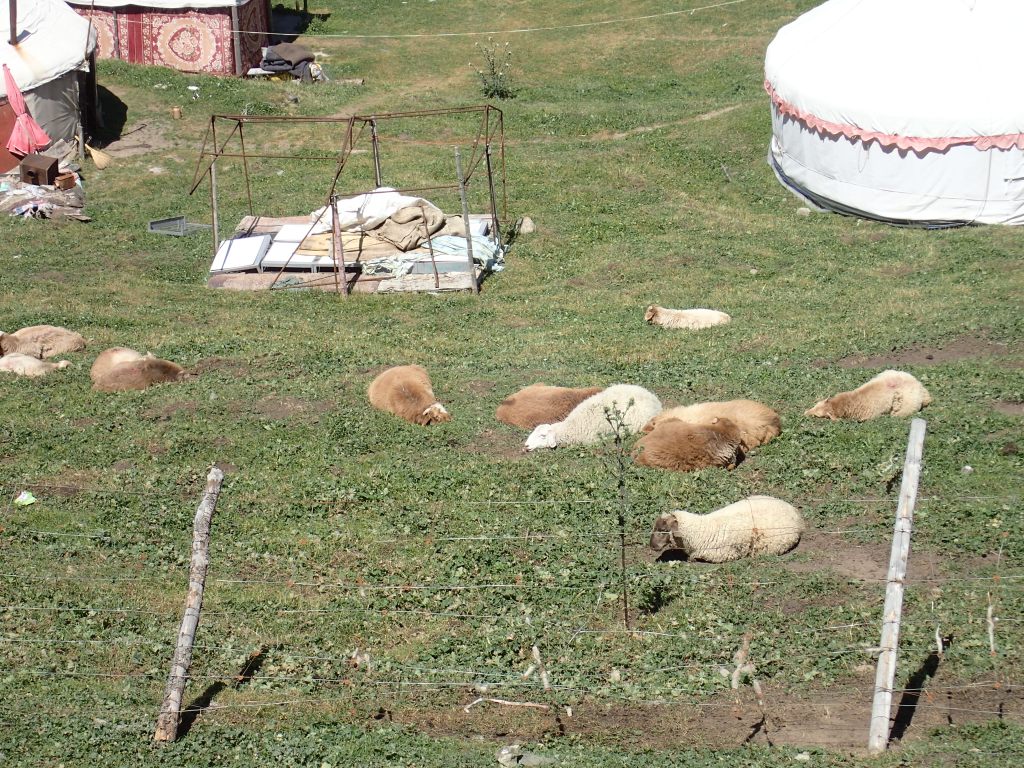
…are hobbled close to camp 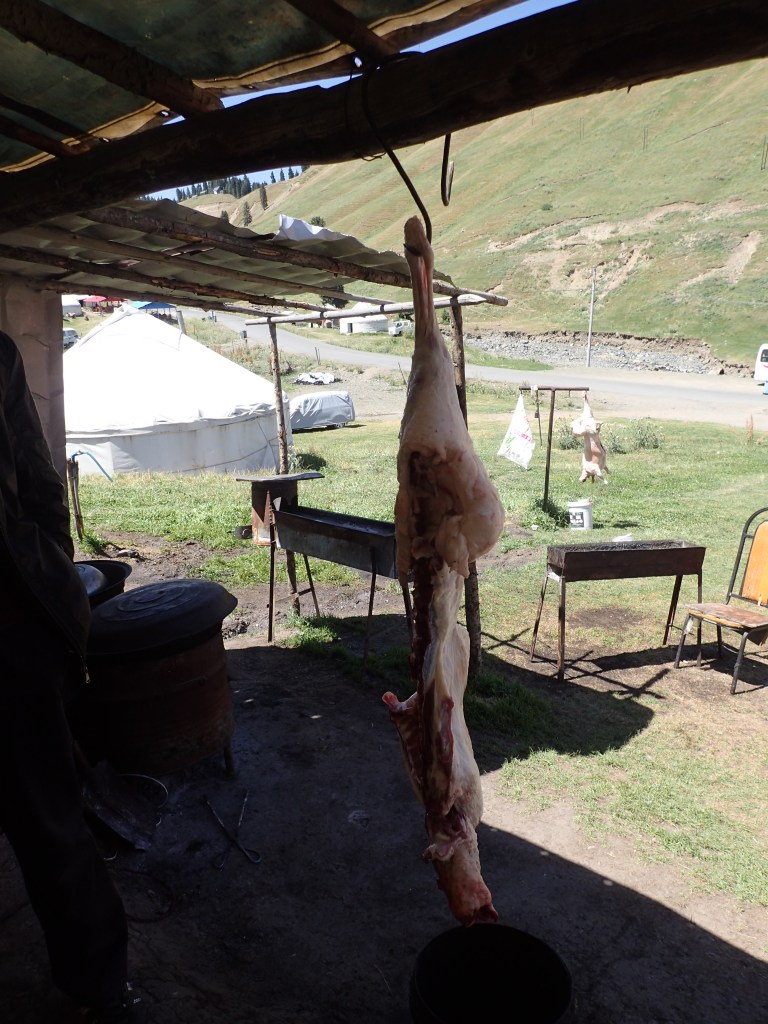
…and end up as mutton 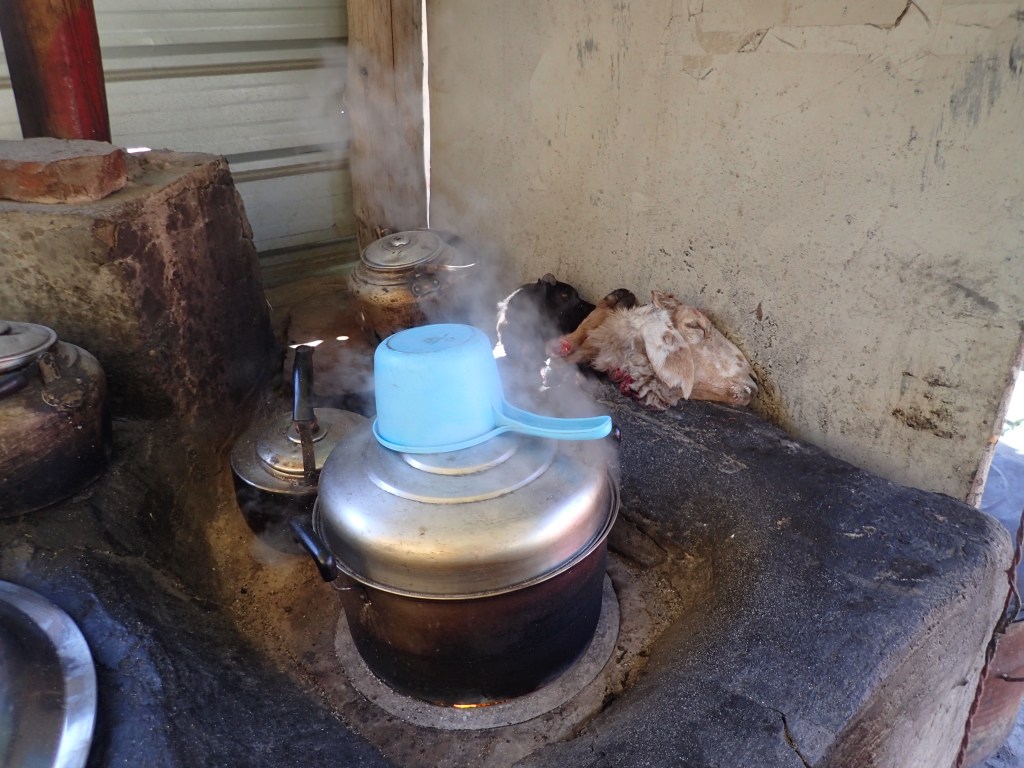
…even the skull is saved 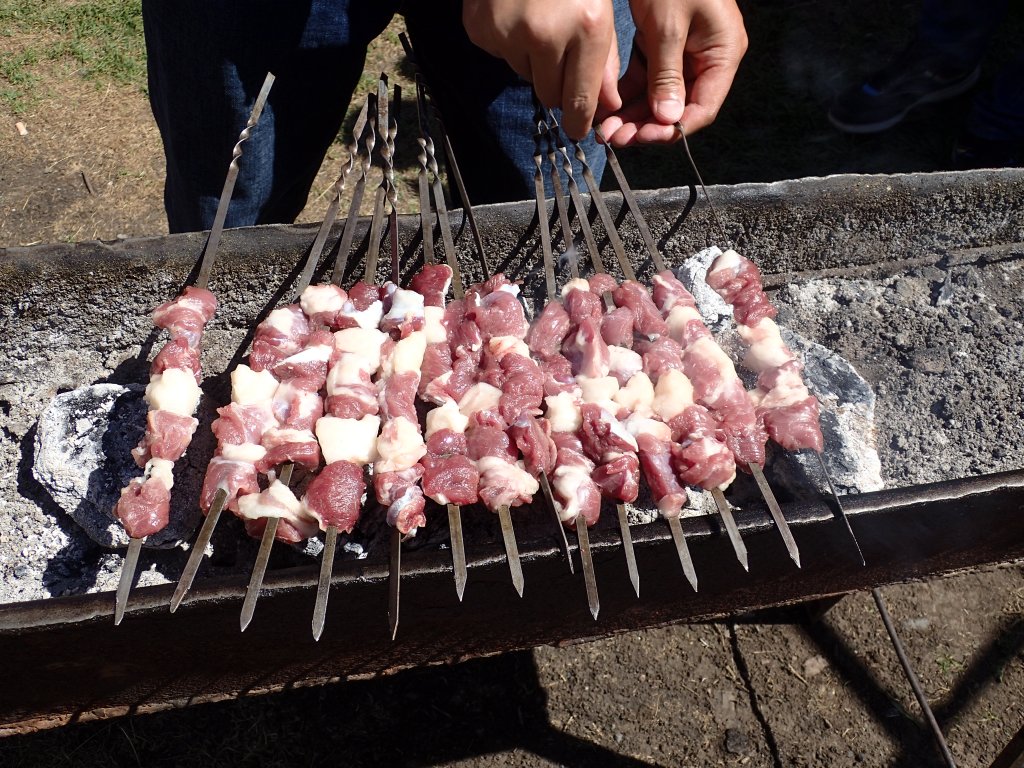
The meat is skewered and barbequed 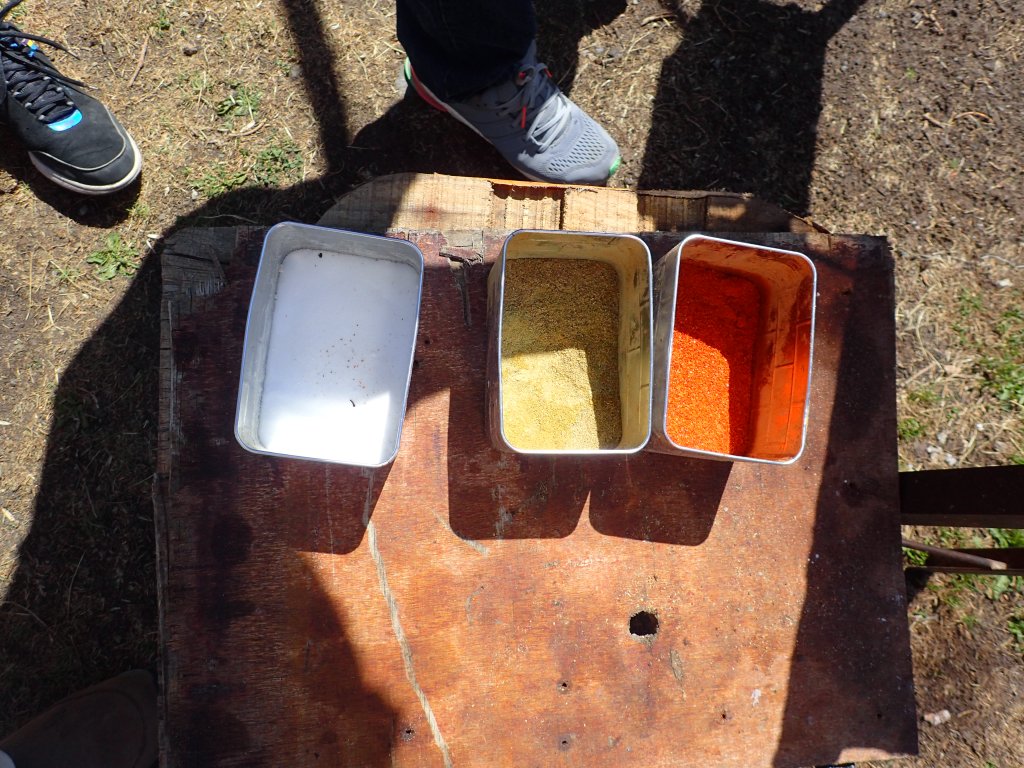
with salt, tumeric and paprika 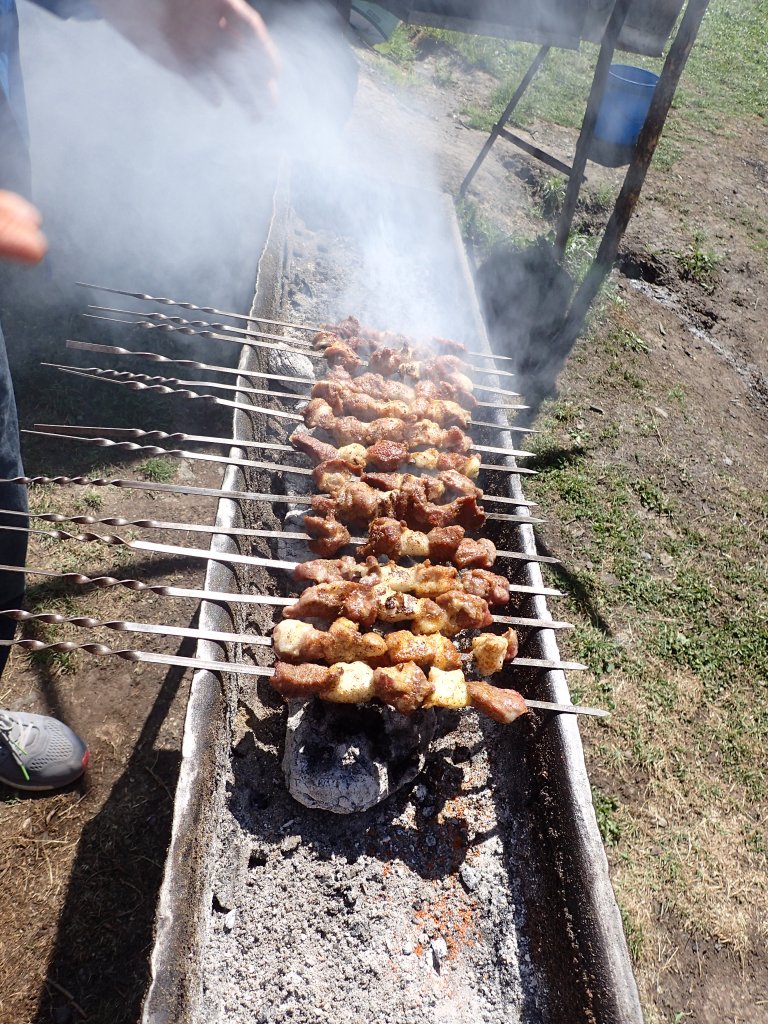
A mouthwatering aroma 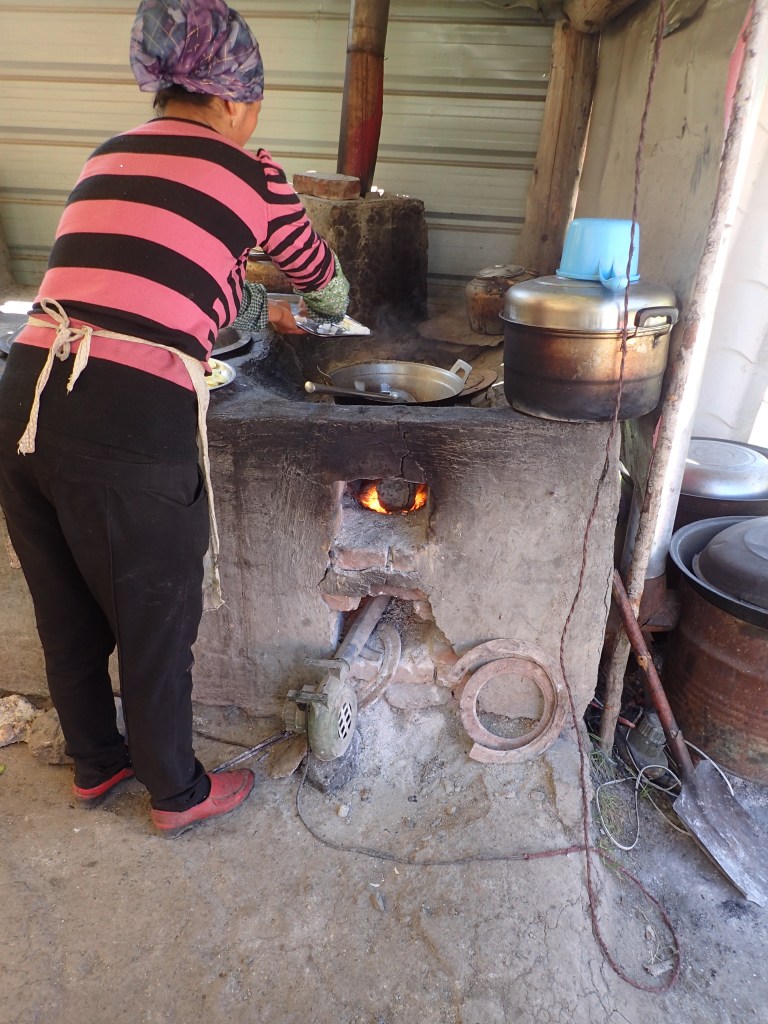
Over a fan-forced fire (note the single briquette) 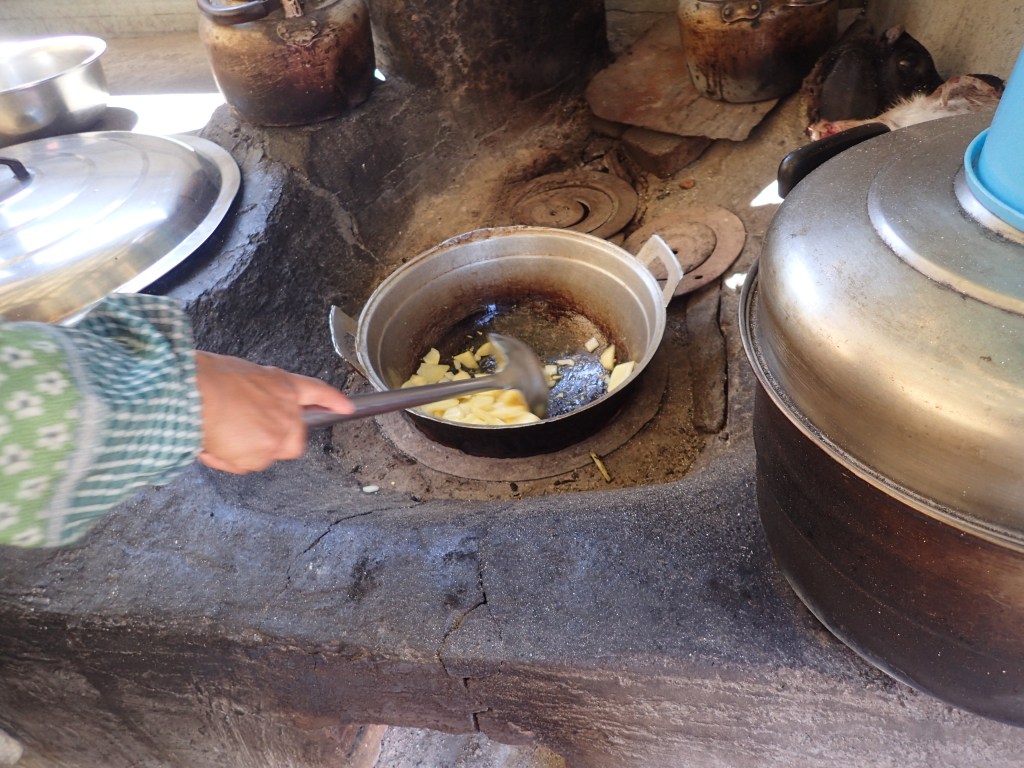
potatoes are simmered 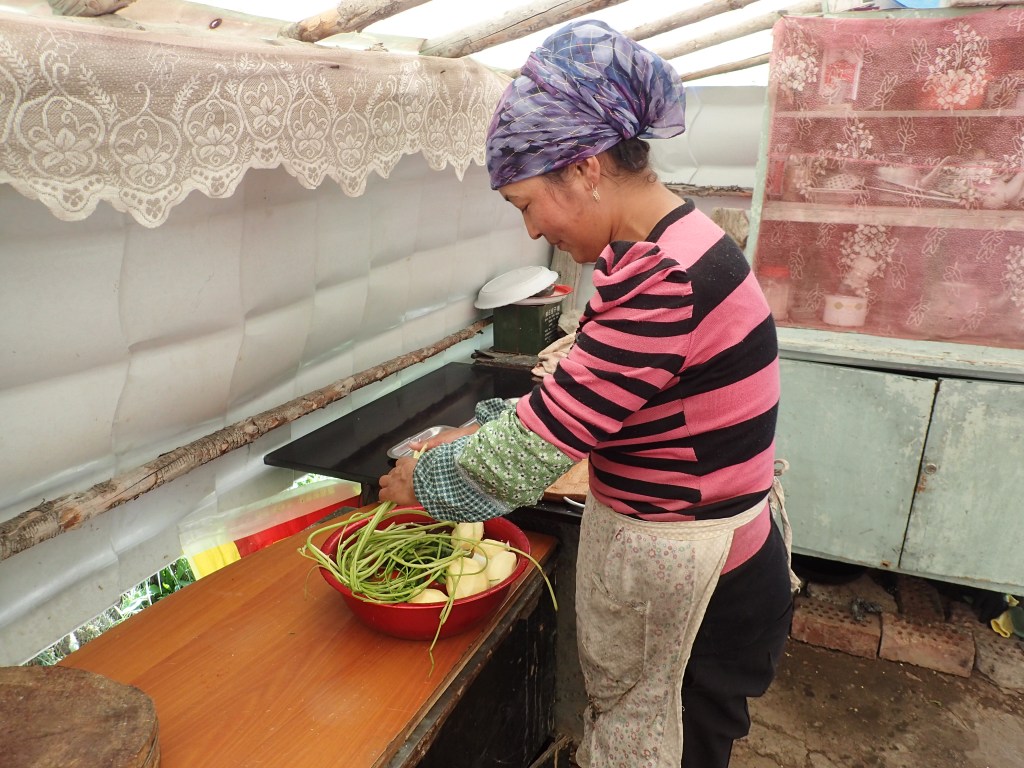
Finally, the veggies are prepared 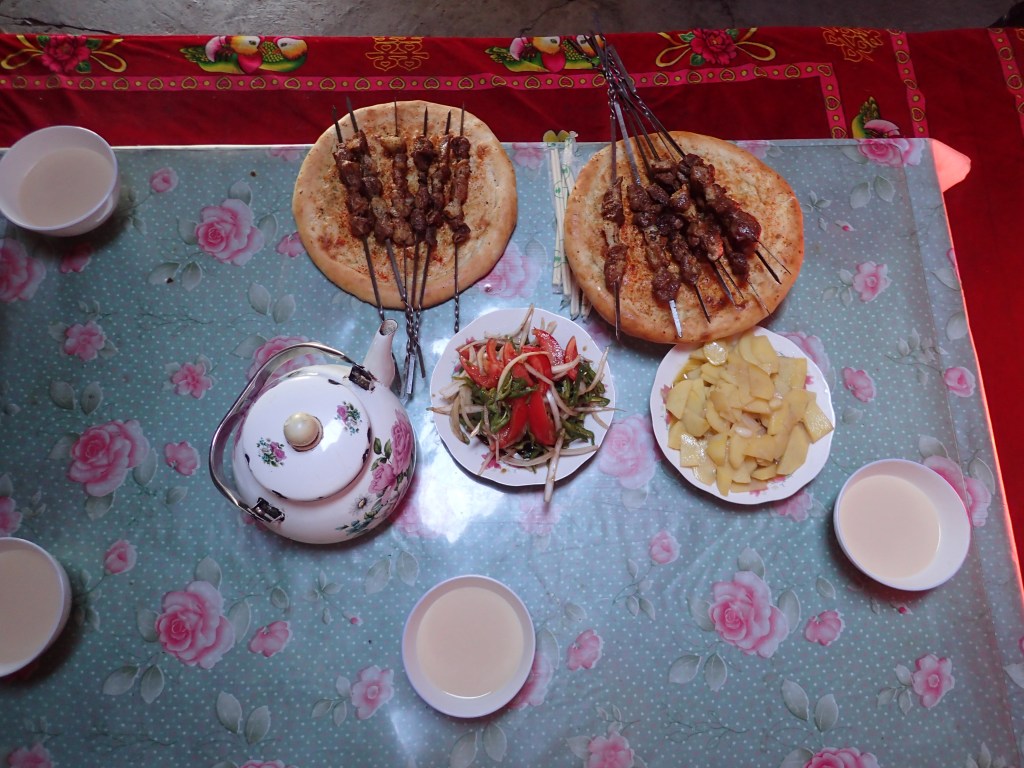
A beautiful meal with flat bread, kebabs, tea 
and veggies too
There were some beautiful views from the hills. In some places the hills are covered in grazed meadows (short-tailed sheep) peppered with pine groves. At other sites hillsides seem to be completely deforested.
Originally we also planned to visit the Gurbantünggüt Desert north of Urumqi, Xinjiang’s second largest desert. In the desert is the furthest piece of land from the sea of any land mass on the planet (2,600 km). Sadly to say, it was dropped from the schedule.
 Joe Holtum's Science Site