THE LAKES – A NEW NATIONAL PARK
In April, 2023, at the invitation of QPWS Savanna Ranger Lea Ezzy, Simon Robson, Myles Menz and I assisted QNPWS staff and volunteers begin assembling a species list for a proposed 35,300 ha Lakes National Park. Aquired recently by the Government of Queensland, the land on Gudjala country is ca. 130 km north of Hughenden, ca. 35 km south of Blackbraes NP.
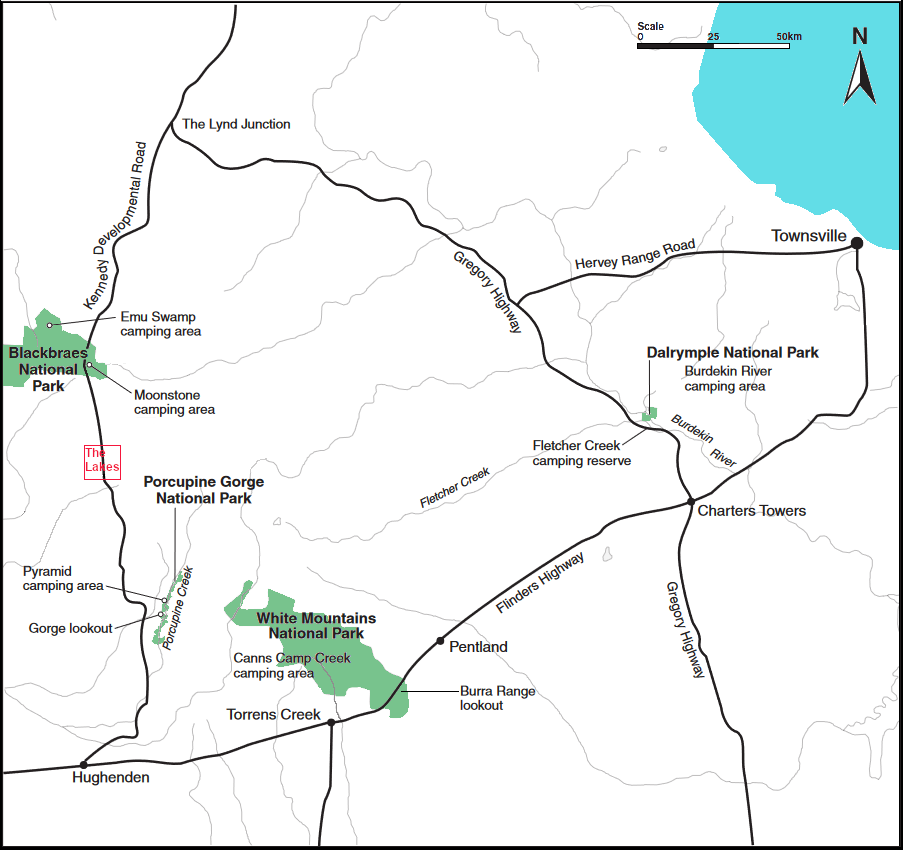
Within the Einasleigh Uplands and Gulf Plains bioregions, the proposed NP sits upon the Great Dividing Range. It includes four perched high-altitude lakes and their associated wetlands, plus plains, woodlands, escarpments and creeks.
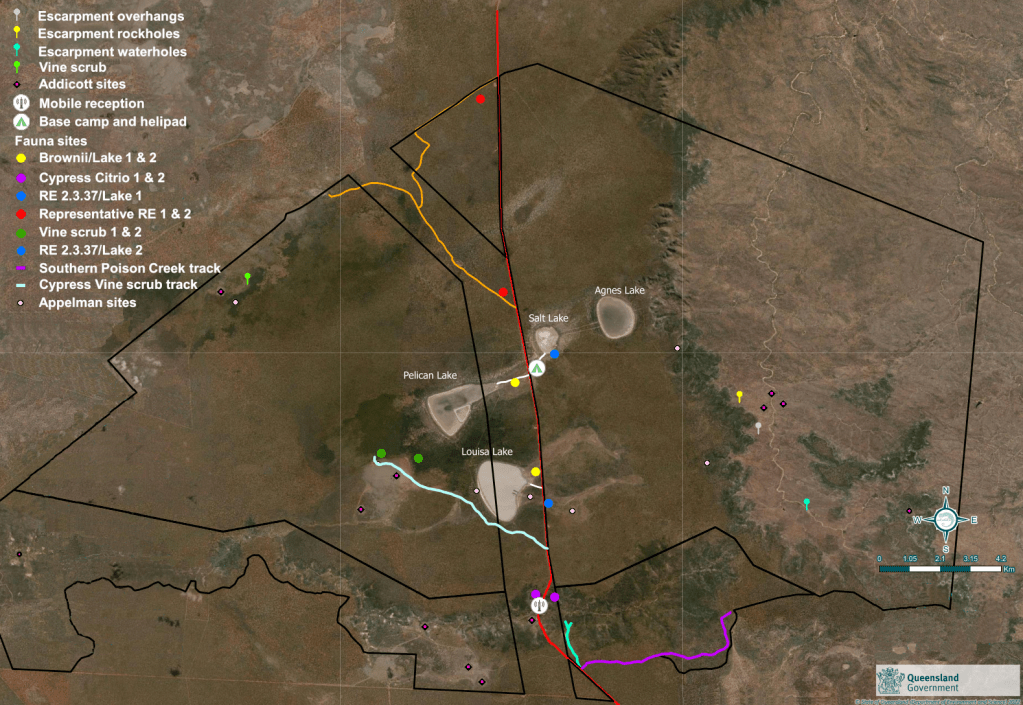
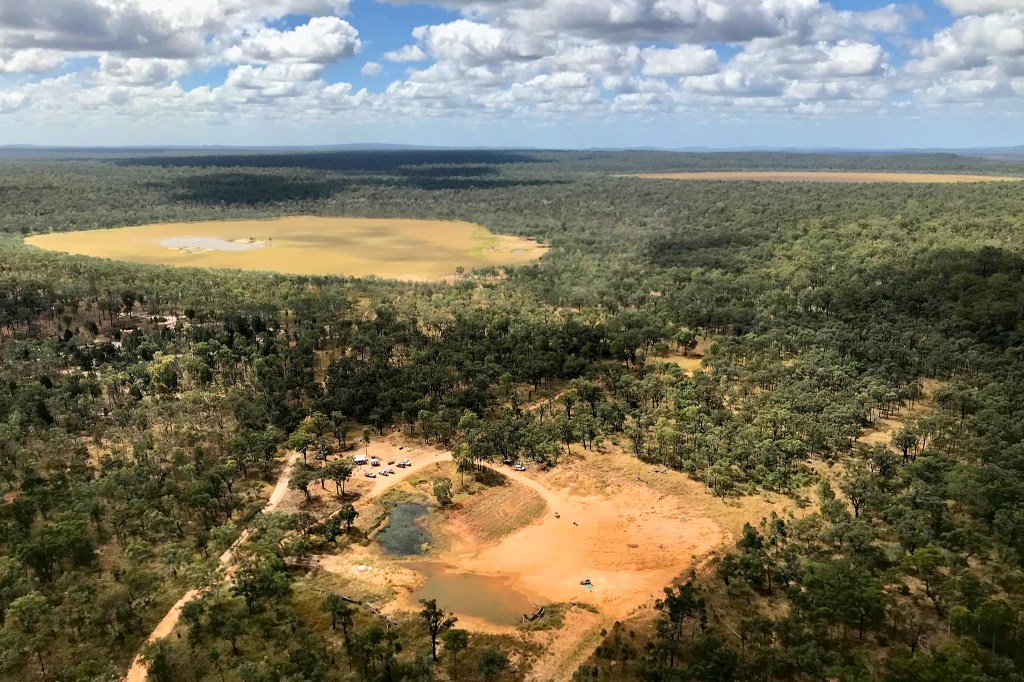


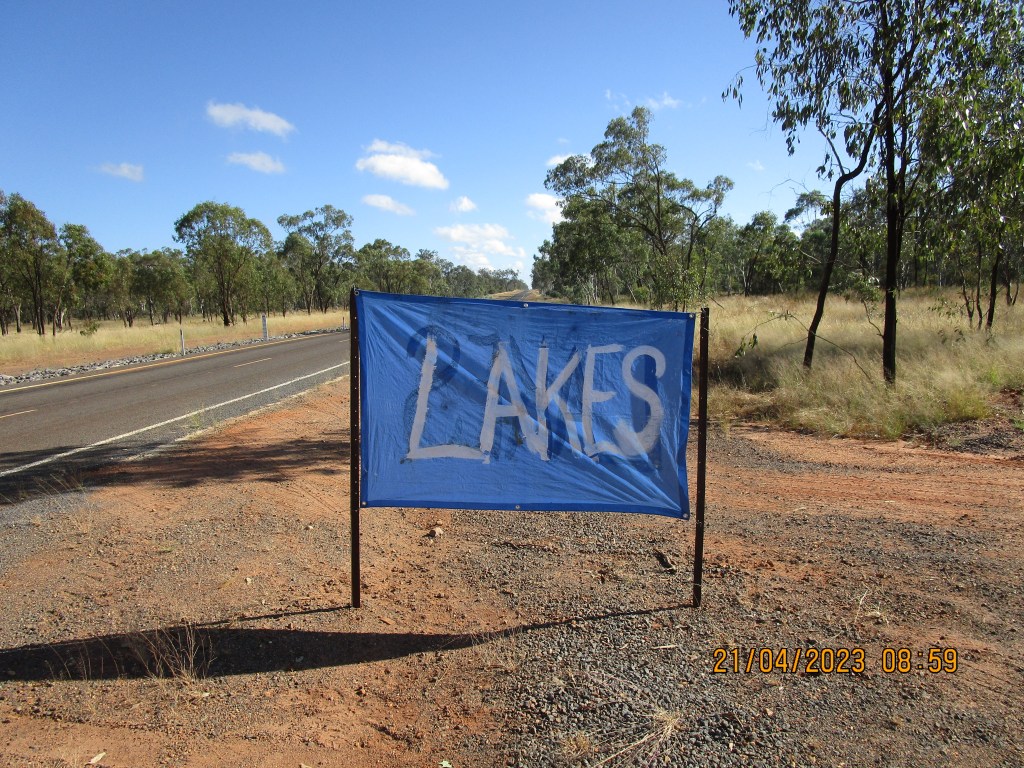
Entering at the professional sign, we arrived on 24th April to survey bats and insects. After setting-up camp in a 5-star all-mod-cons QPWS site, we met the staff, volunteers and some neighbours.

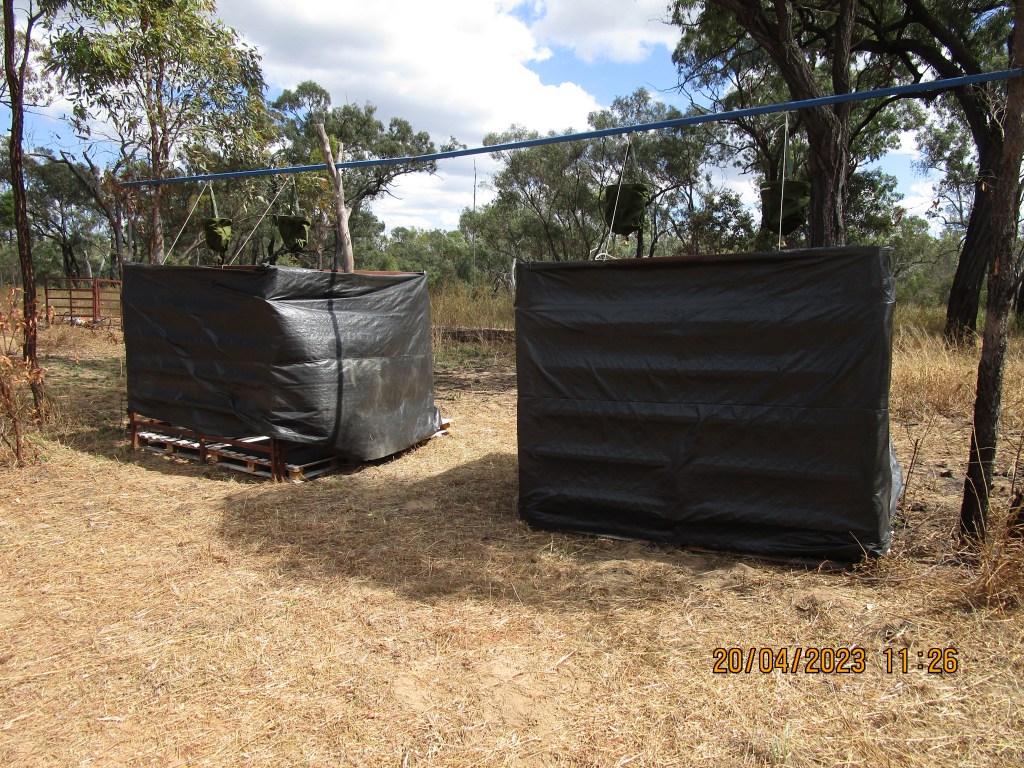

The NP crew surveyed the landscape, terrestrial and aquatic plants, invertebrates and vertebrates. On the animal side, diversity was low (mammals were seen but not trapped) but the birds, lizards, marsupials, mammals, turtle and snakes were photographed:
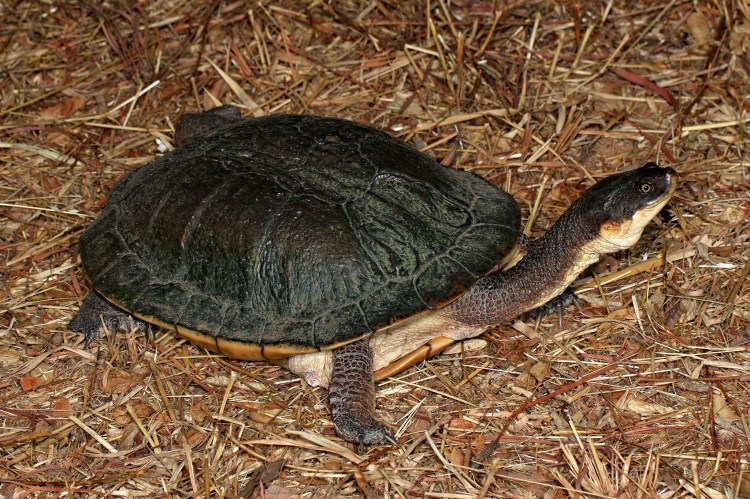
Chelodina sp (snake-necked turtle) 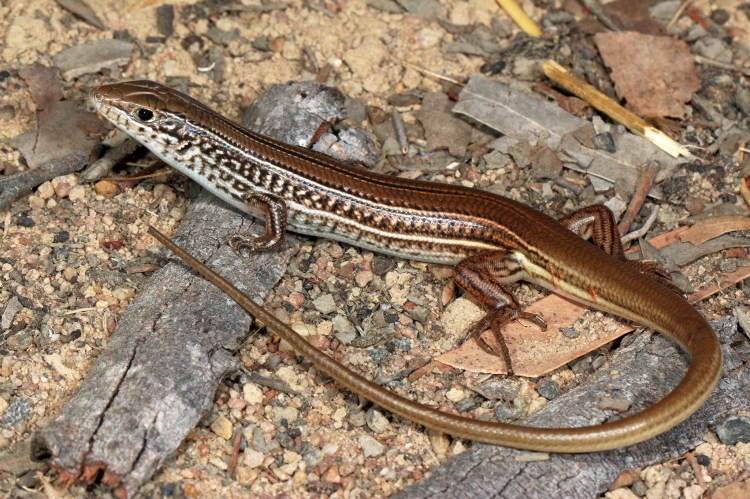
Ctenotus spaldingi (straight-browed ctenotus) 
Ctenotus taeniolatus (copper-tailed skink) 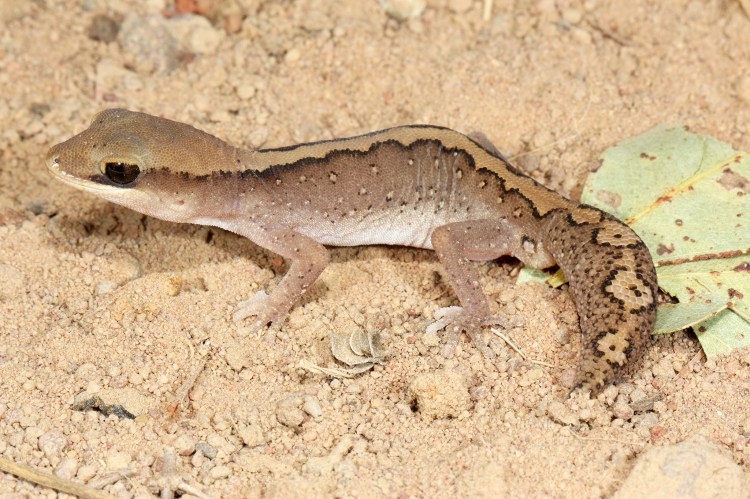
Diplodactylus vittatus (eastern stone gecko) 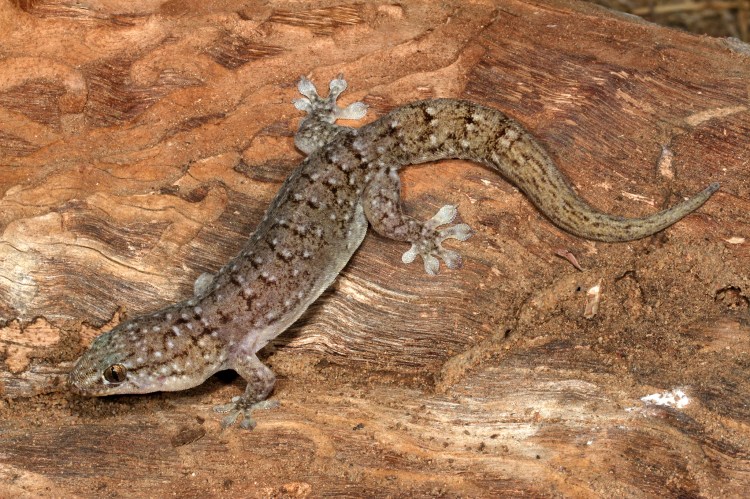
Gehyra dubia (native Australian house gecko) 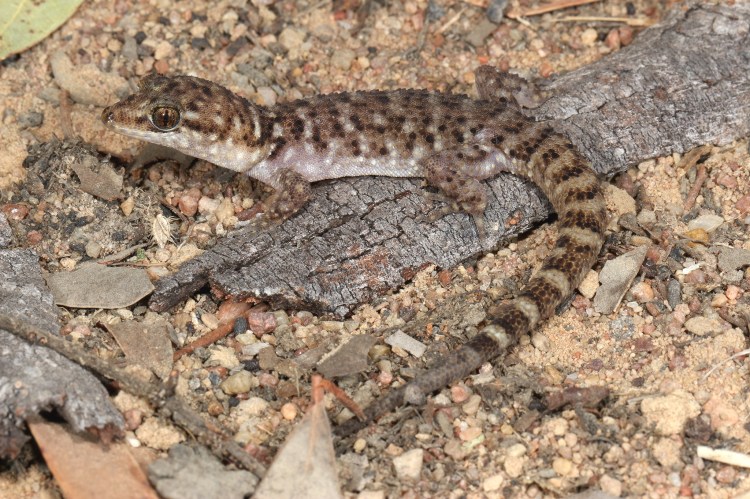
Heteronotia binoei (Bynoe’s gecko) 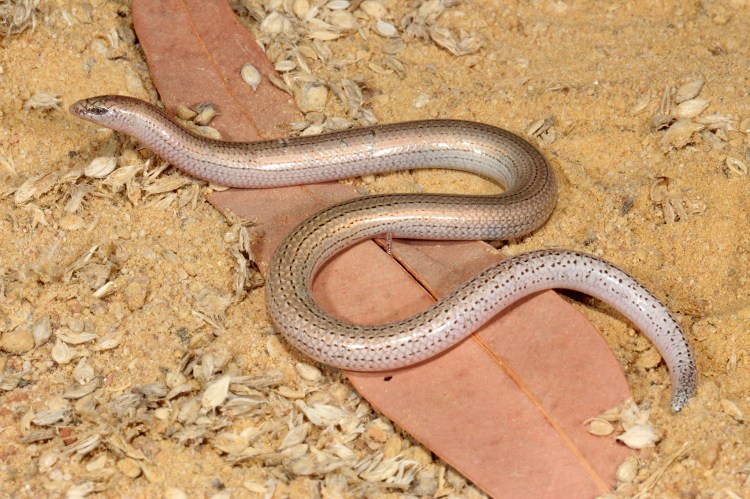
Lerista hobsoni (slider) 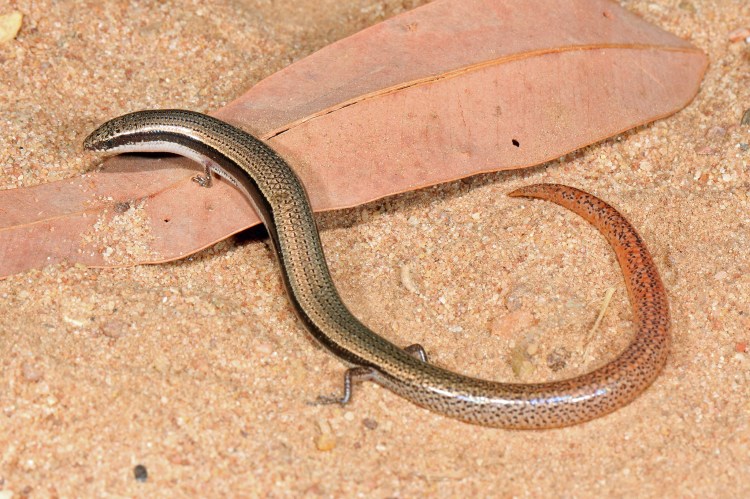
Lerista zonulata (north-eastern orange-tailed slider) 
Nephrurus asper (rough knob-tailed gecko) 
Nephrurus asper (rough knob-tailed gecko) 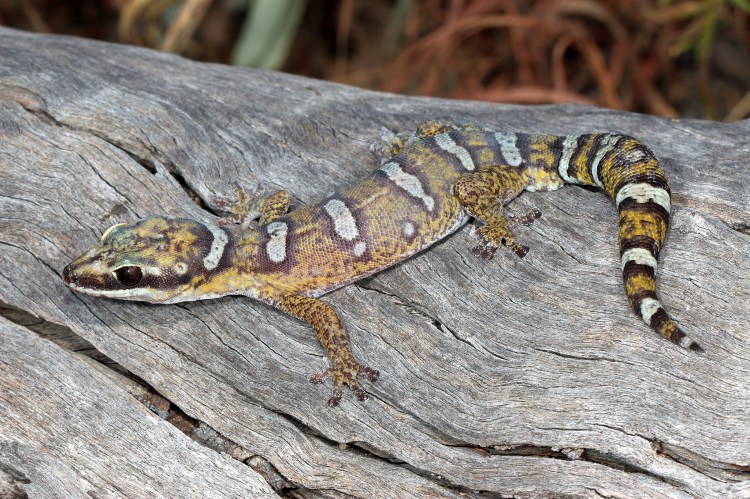
Oedura monilis (ocellated velvet gecko) 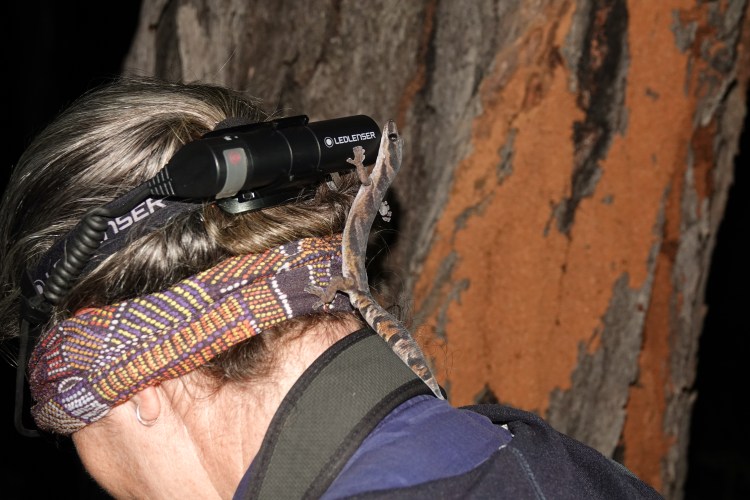
Oedura castlenaui (northern velvet gecko)? 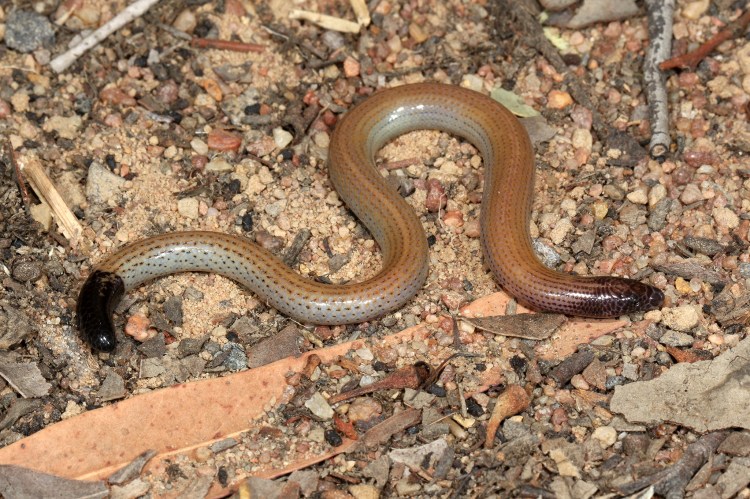
Praeteropus gowi (speckled worm-skink) 
Demansia psammophis (yellow-faced whipsnake) 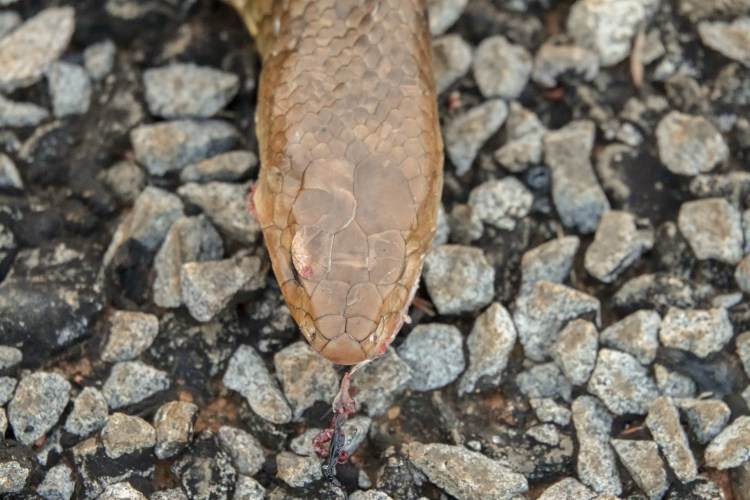
Snake sp?? 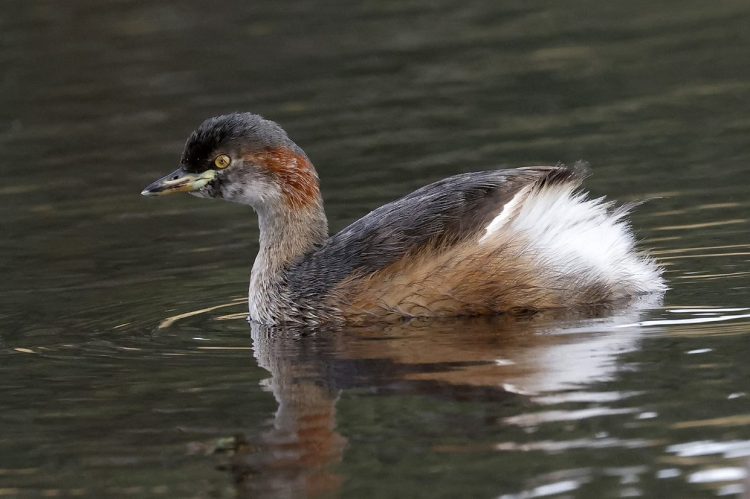
Grebe of some sort (young Australasian?) 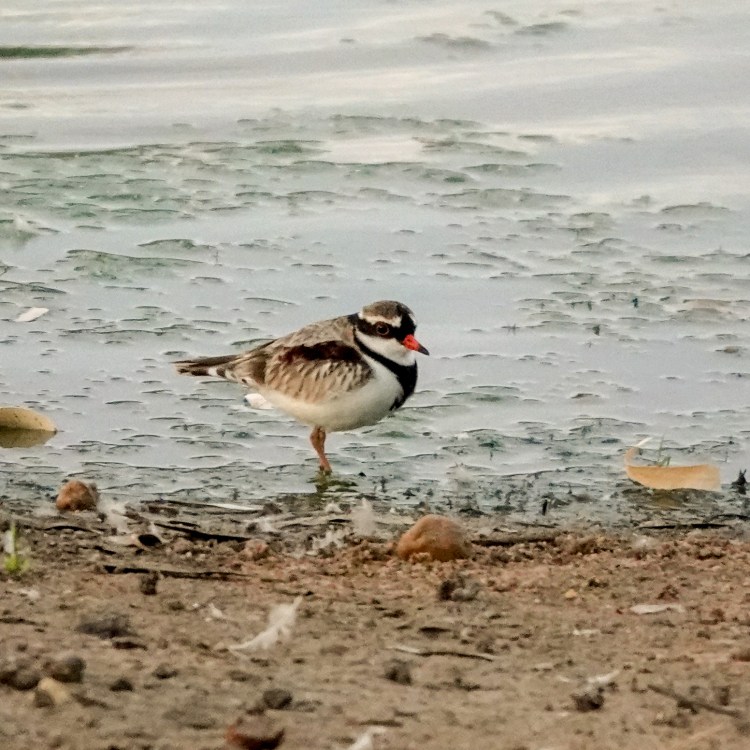
Elseyornis melanops (black-fronted dotterel) 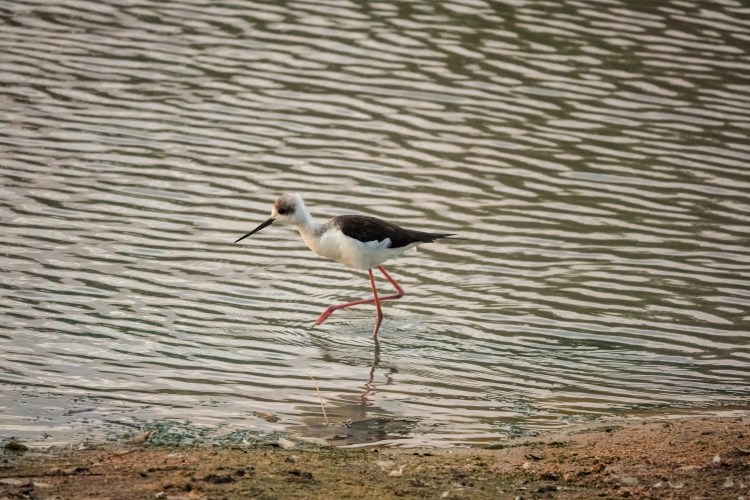
Himantopus himantopus (black-winged stilt) 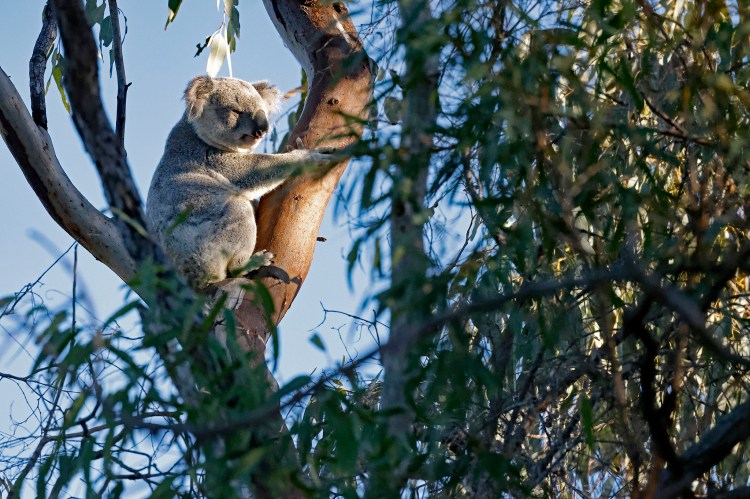
Phascolarctos cinereus (koala) 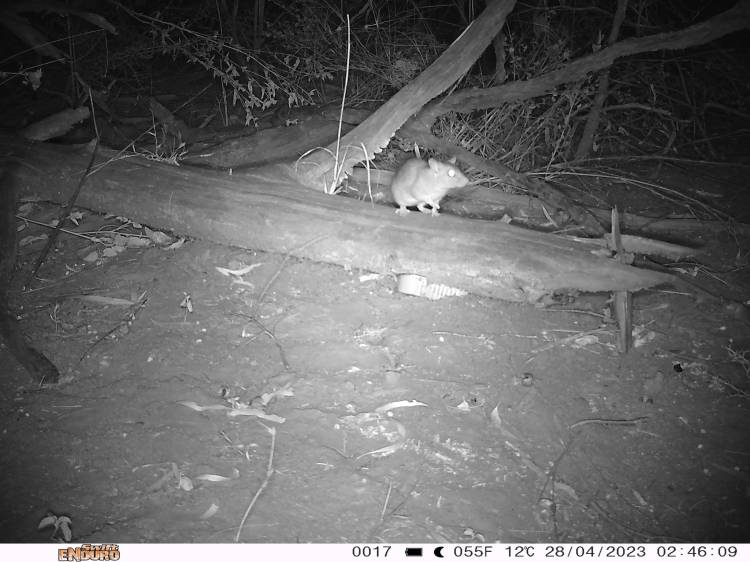
Rattus sp captured in camera trap 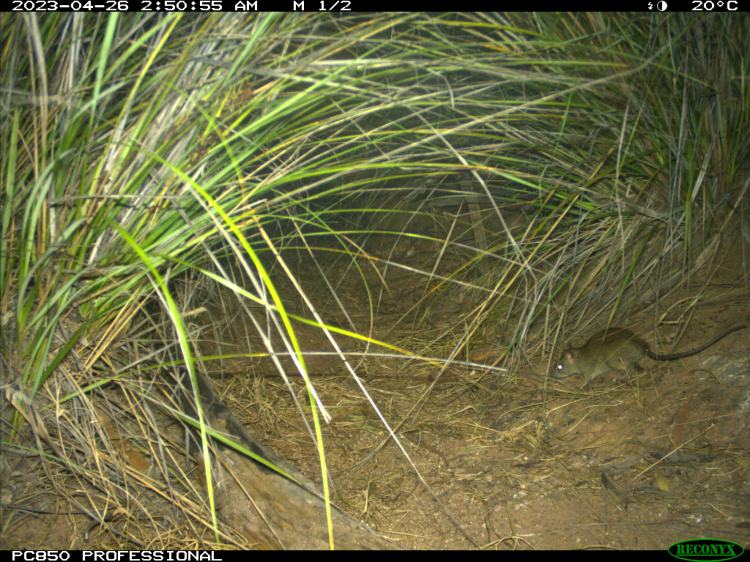
Rattus sp captured in camera trap 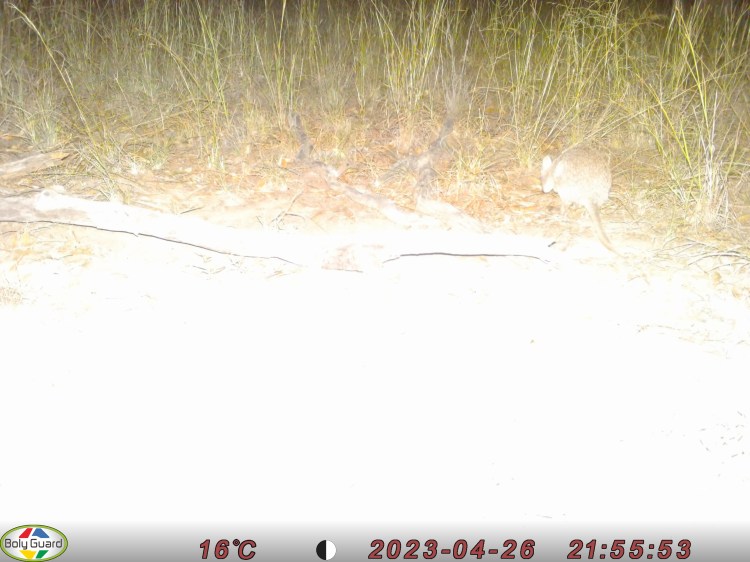
Bettongia tropica (family Potoroidae) northern bettong? 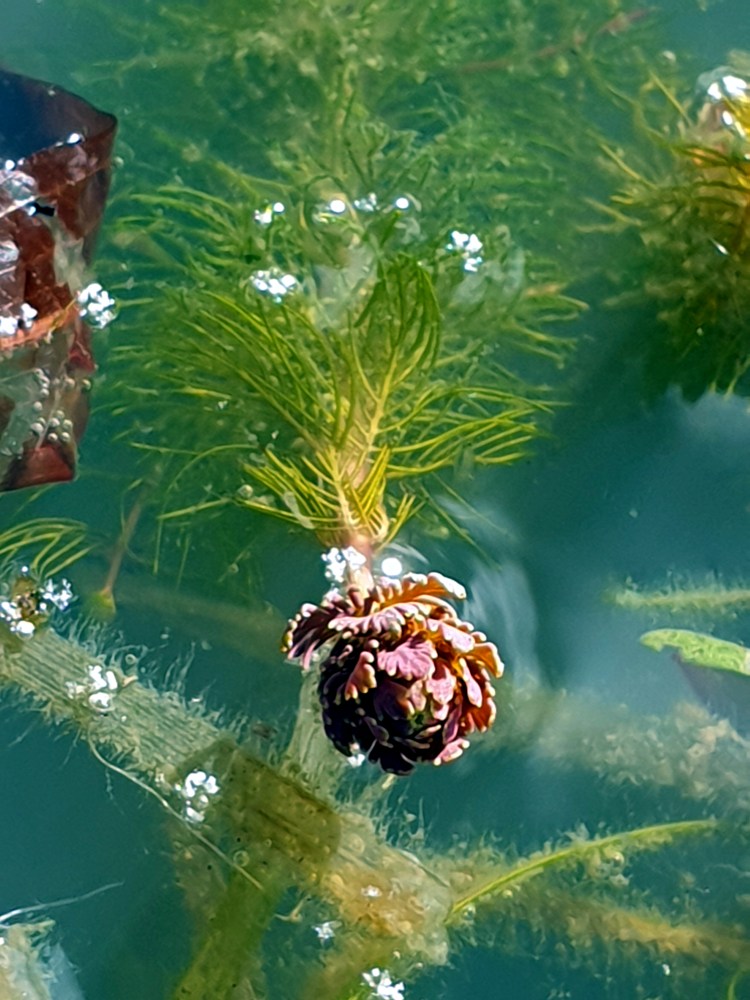
Not sure of these: Azolla? 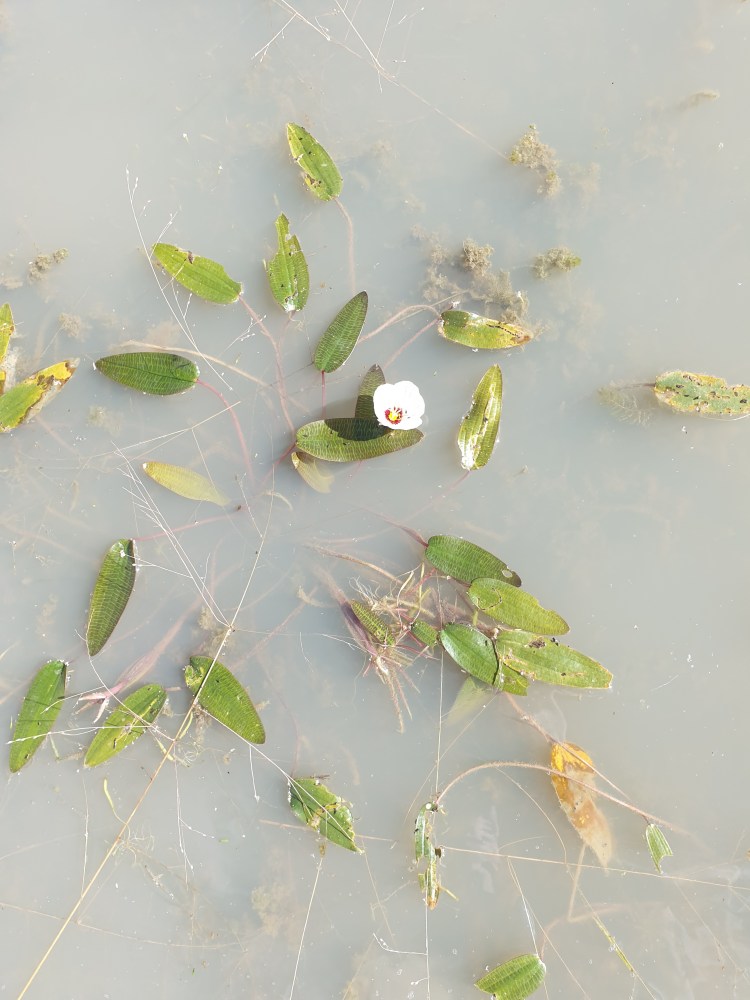
Ottelia ovalifolia (swamp lilly) 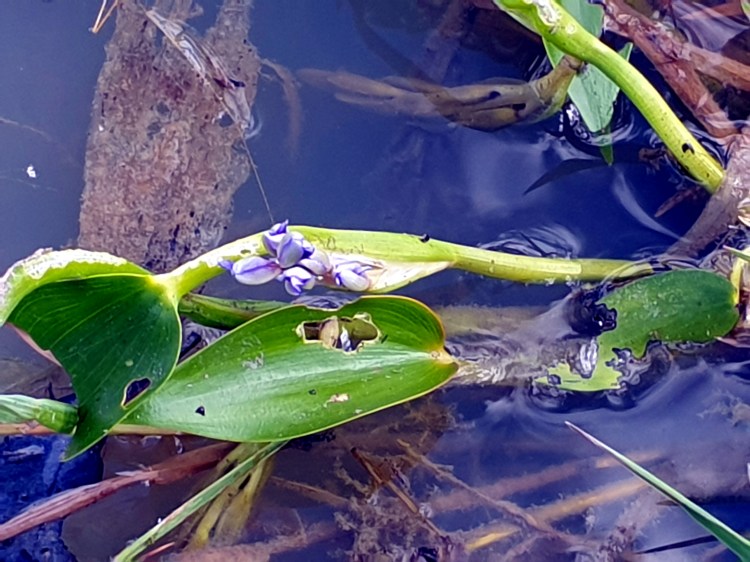
Eichhornia crassipes (water hyacinth) in Agnes Lake 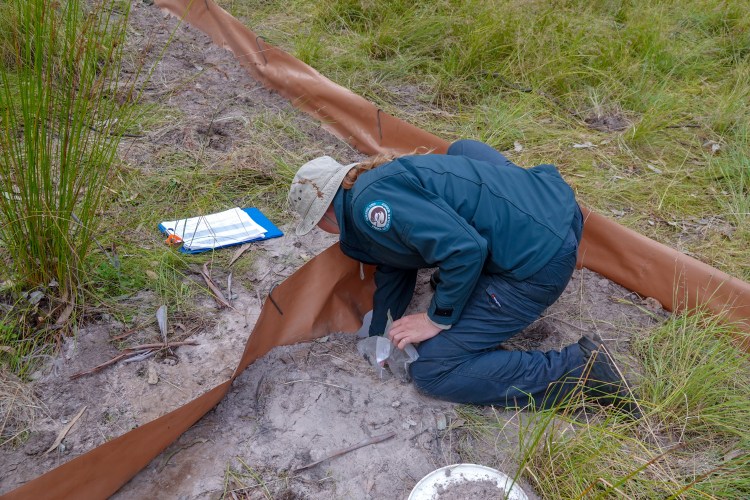
What did the pit-trap catch?
Our bat tools were acoustic recorders, harp traps and mist nets, and malaise, flight-interception and pitfall traps for insects. We recorded some bat calls but, unusually, didn’t catch any bats, not by the dam, lakes or at a southern and a northern site. Don’t think the acoustic data has been analysed yet.
Myles was active on the insect front, collecting from the traps and swishing for dragonflies. He was also supplied with some beaut aquatic invertebrates. Although the data has yet to be analysed, I had the impression that diversity was not enormous, or at least was not evident at the time of the year we were there.
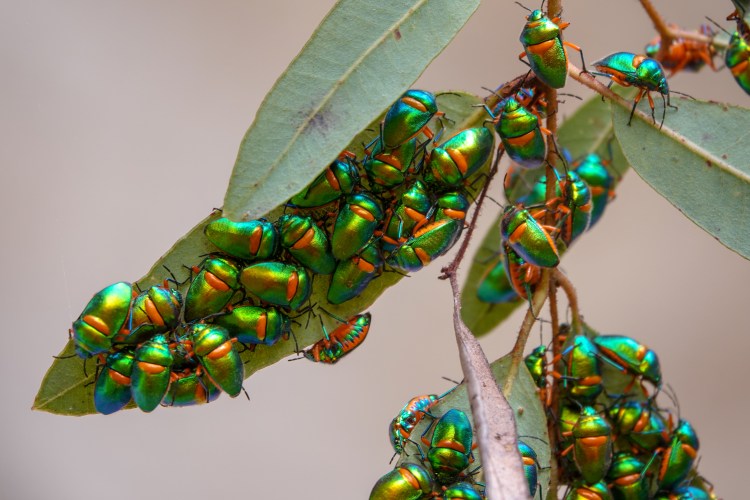
Lampromicra senator ? (family Buprestidae). Green jewel bug 
Macropanethsia rhinoceros (?) (order Blattodea). The giant burrowing cockroach – the world’s heaviest cockroach! 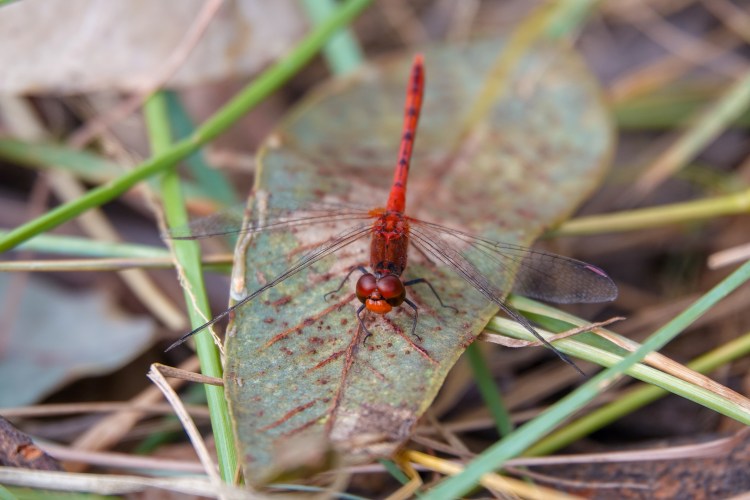
A red dragonfly (family Libellulidae?). Rhodothemis, Urothemis, Orthretrum? 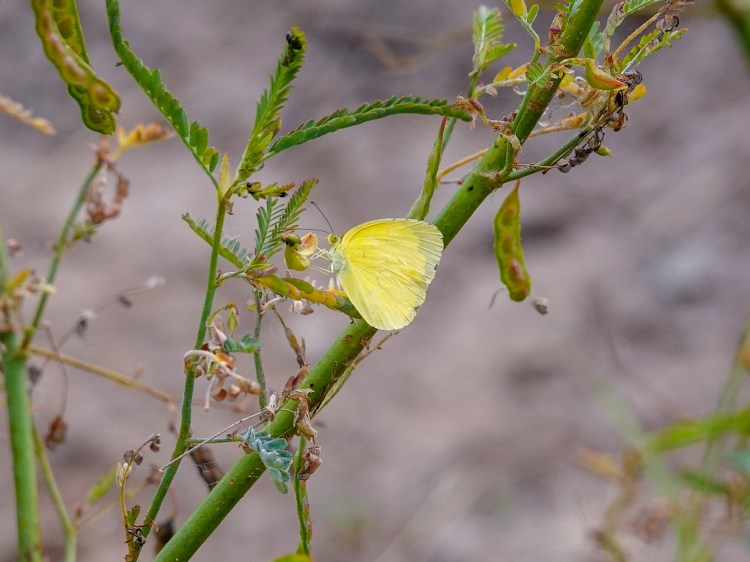
Catopsilia pomona? (subfamily Coliadinae). The lemon migrant 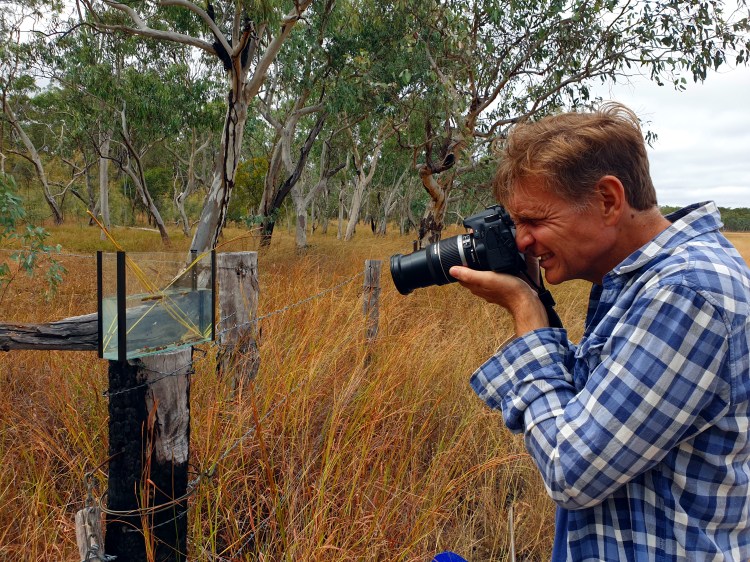
Photographing aquatic invertebrates from Agnes Lake. Cameras should have indentations for noses! 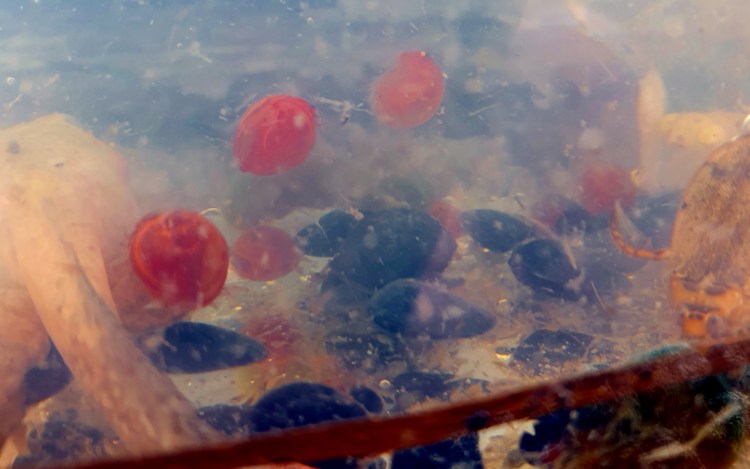
Ostracoda (red things), possibly Bennelongia pinpi (family Cyprididae). Unsure what the black things are. 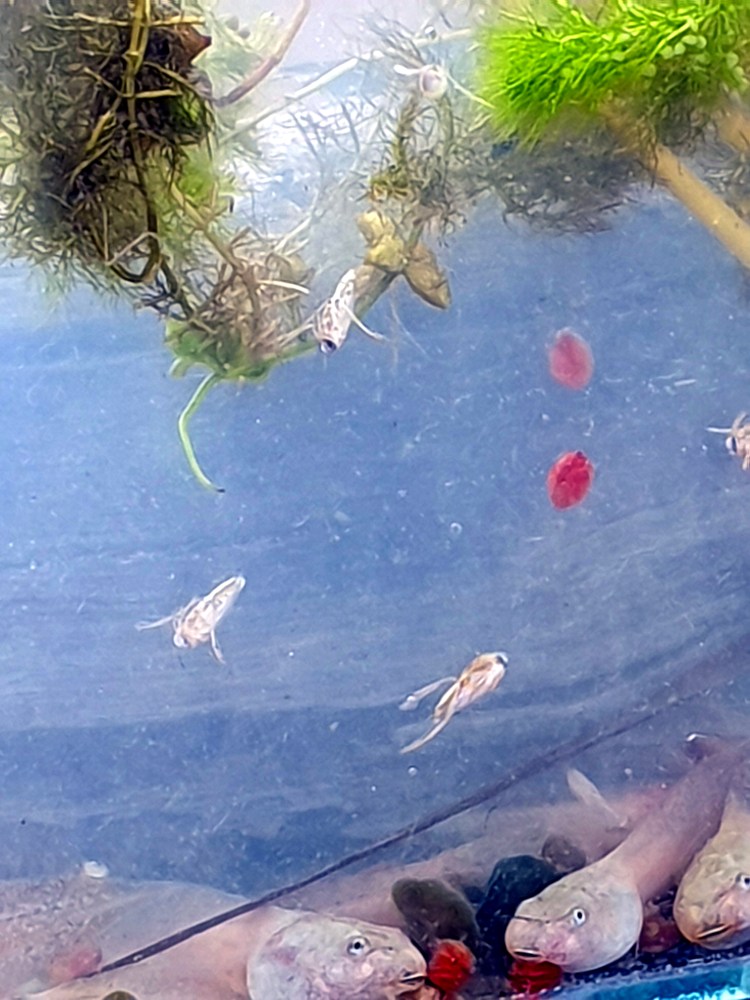
Ostracoda (red things), possibly Bennelongia pinpi (family Cyprididae). Some water boatmen (family Corixidae) and tadpoles. 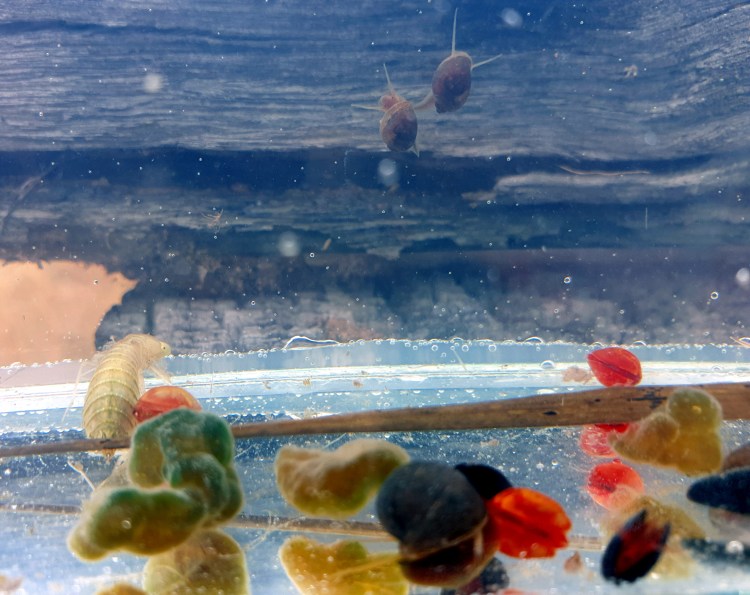
Ostracoda (red things), probably Bennelongia pinpi (family Cyprididae). Black things? Also a couple of water snails, a dragon-fly nymph
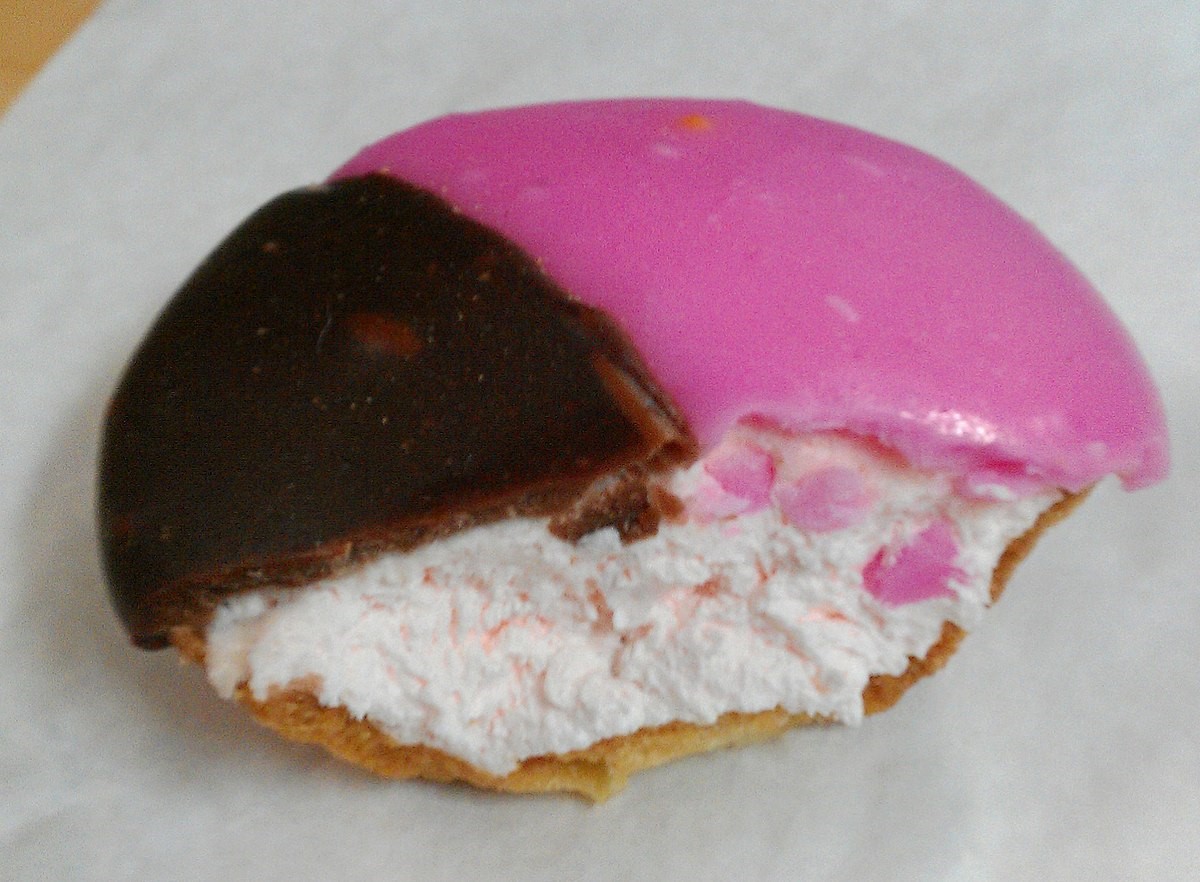
We left for Townsville on the 27th. Unsuccessfully sought a critically endangered neenish tart at the Hughenden bakery and stopped off for a refreshing ale at the Mingela pub.

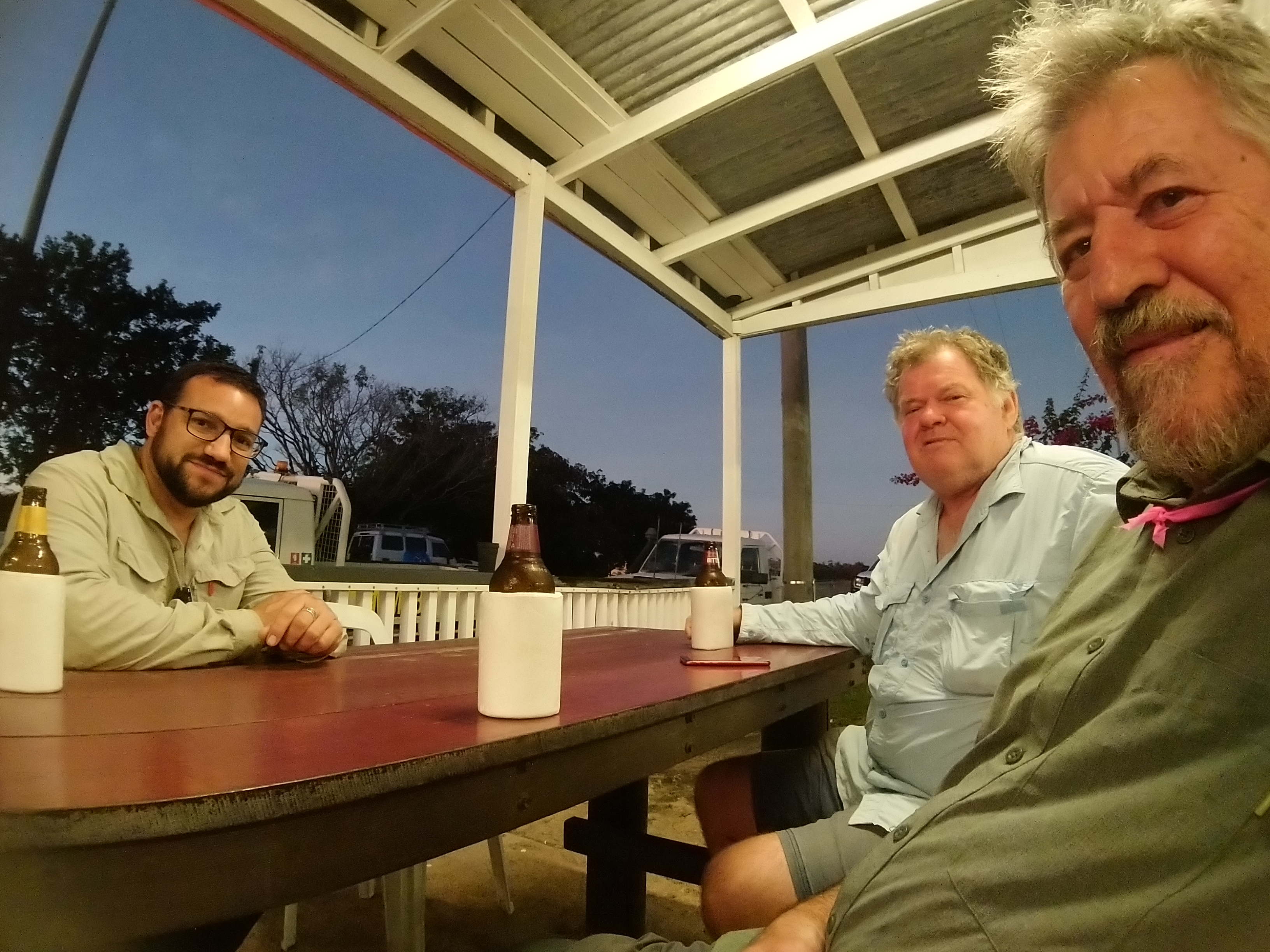
All-in-all, an enjoyable trip.
 Joe Holtum's Science Site