BAT HUNTING IN THE NT
In early May, 2023, Simon Robson, Jon Luly and I travelled to Pine Creek, NT, to collect bat calls and make a few videos. We aimed to collect calls, contribute to a well-organised NT bat-fest and to video and record bat calls at Pungalina, an Australian Conservation Heritage property on the shores of the Gulf of Carpentaria. Jon Luly wrote a brief report about our travel (Luly 2023).
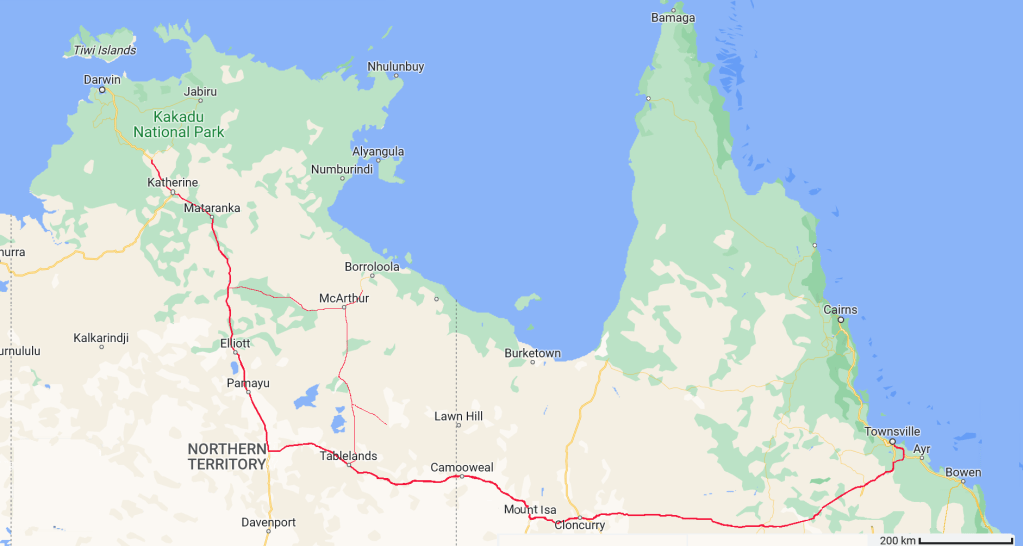
A long road trip – 900 km to camp at Mt Isa in western Queensland, 637 km to camp at Threeways (NT), 547 km to camp at Mataranka Thermal Pool (NT), a more relaxing stop, and thence 205 km to Pine Creek, arriving on 12th May. Pungalina is a further 765 km south and east from Pine Creek.

At Pine Creek we lodged in flash mining accommodation – a room for each and food provided. About 30 people at the meeting.
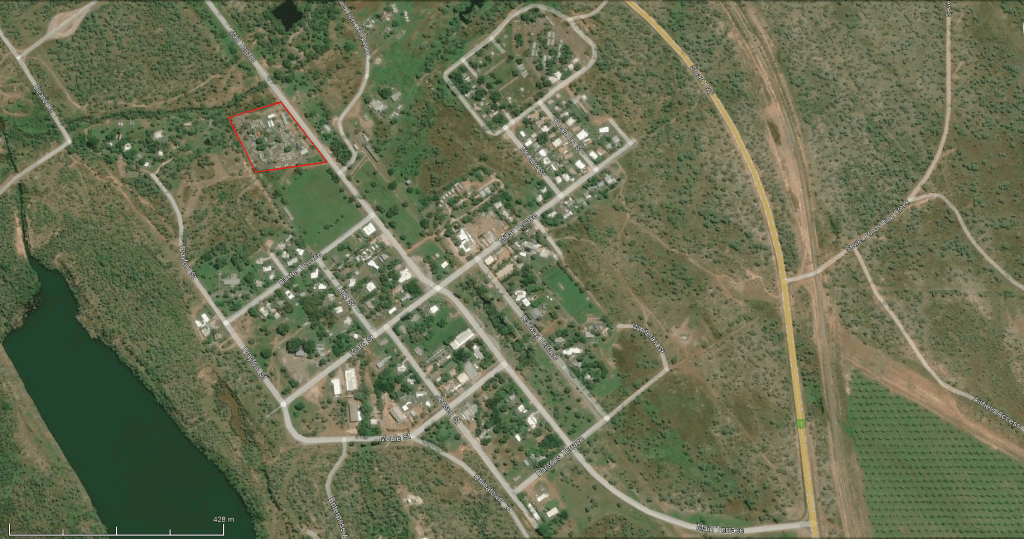
On subsequent nights we collected at Pine Creek Water Gardens (-13.82329 o S, 131.83586 o W); by Maud Creek bridge on the road to Nitmiluk (Katherine Gorge) NP (-14.38139o S, 132.41515o W);
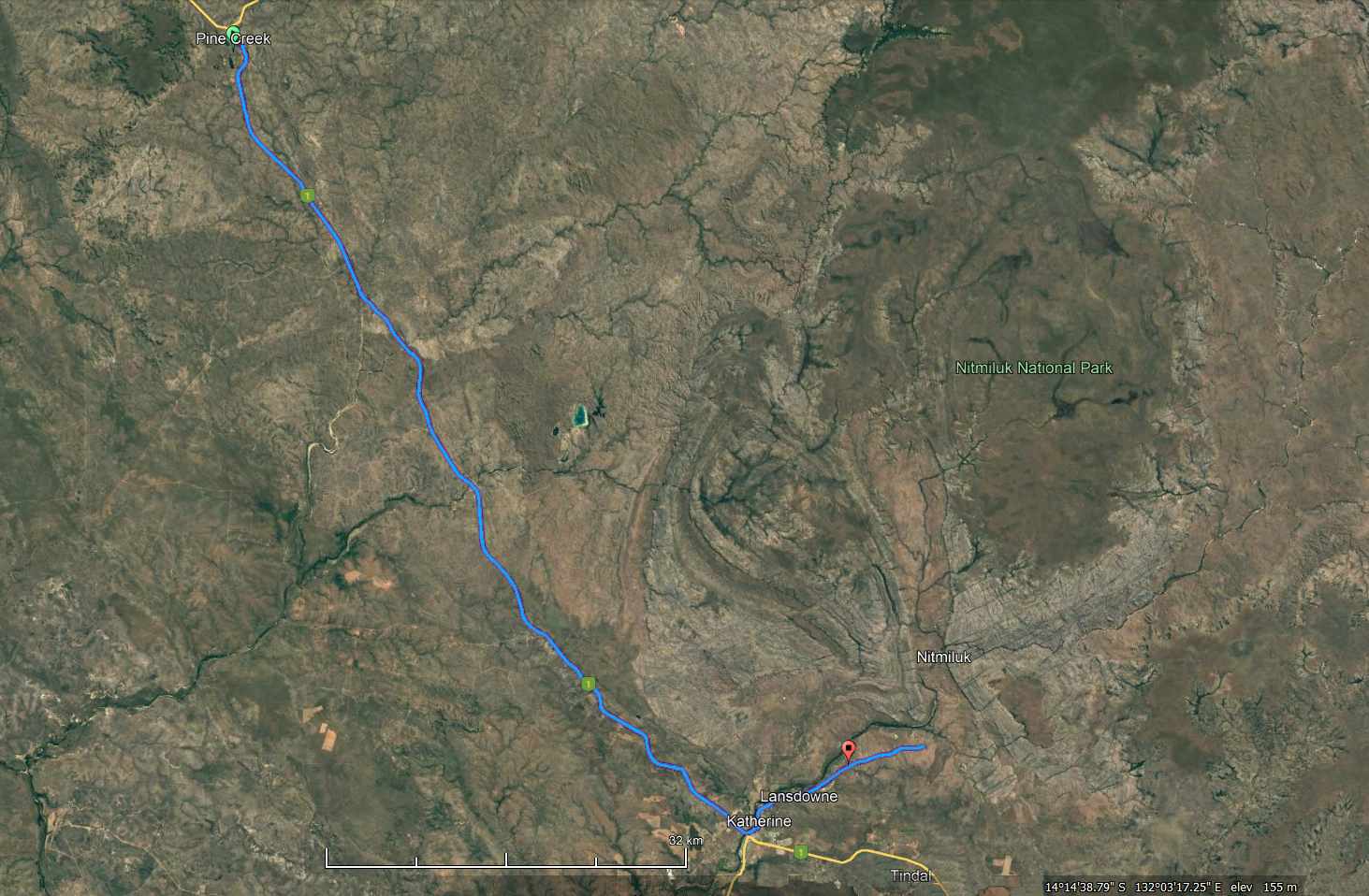
Route from Pine Creek to Maud Creek Crossing on the road to Nitmiluk NP (Katherine Gorge NP) 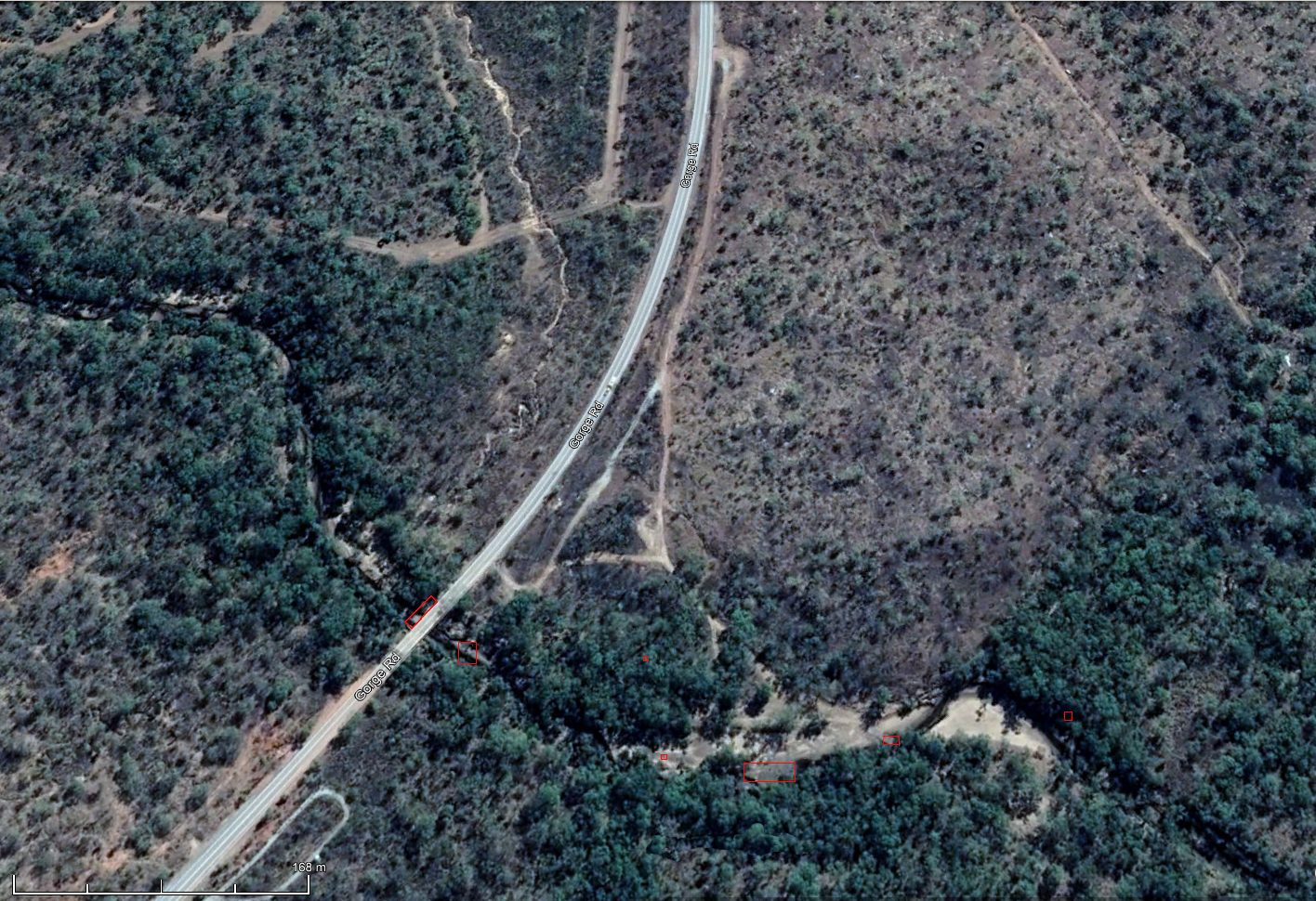
The Maud Creekbridge and the river stretch to the right along which we trapped with the Stevensons and Paul Barden (red squares are trapping sites) 
Jon Luly and Simon Robson unloading harp straps at Maud Creek 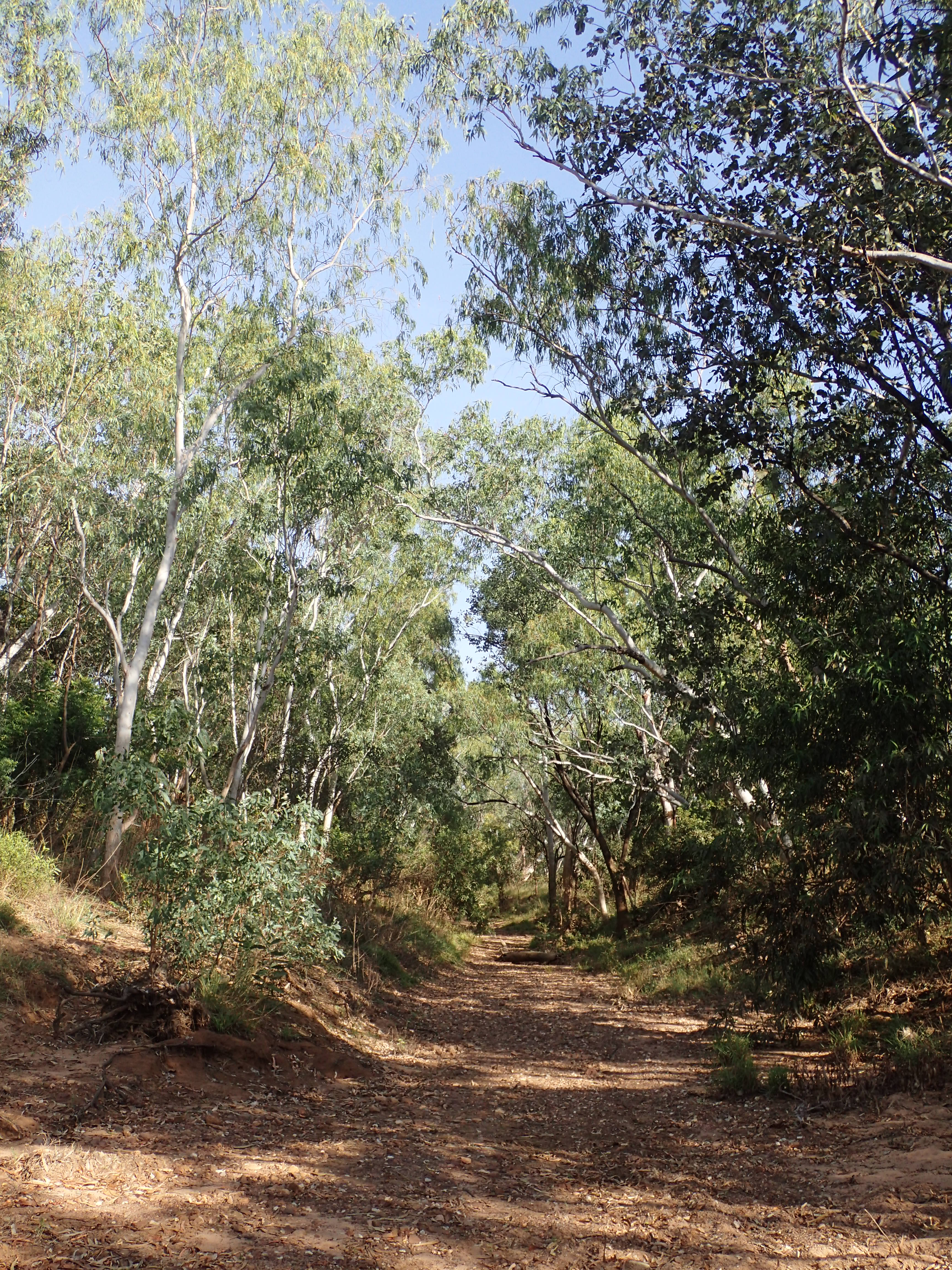
A potential bat flight track at Maud Creek 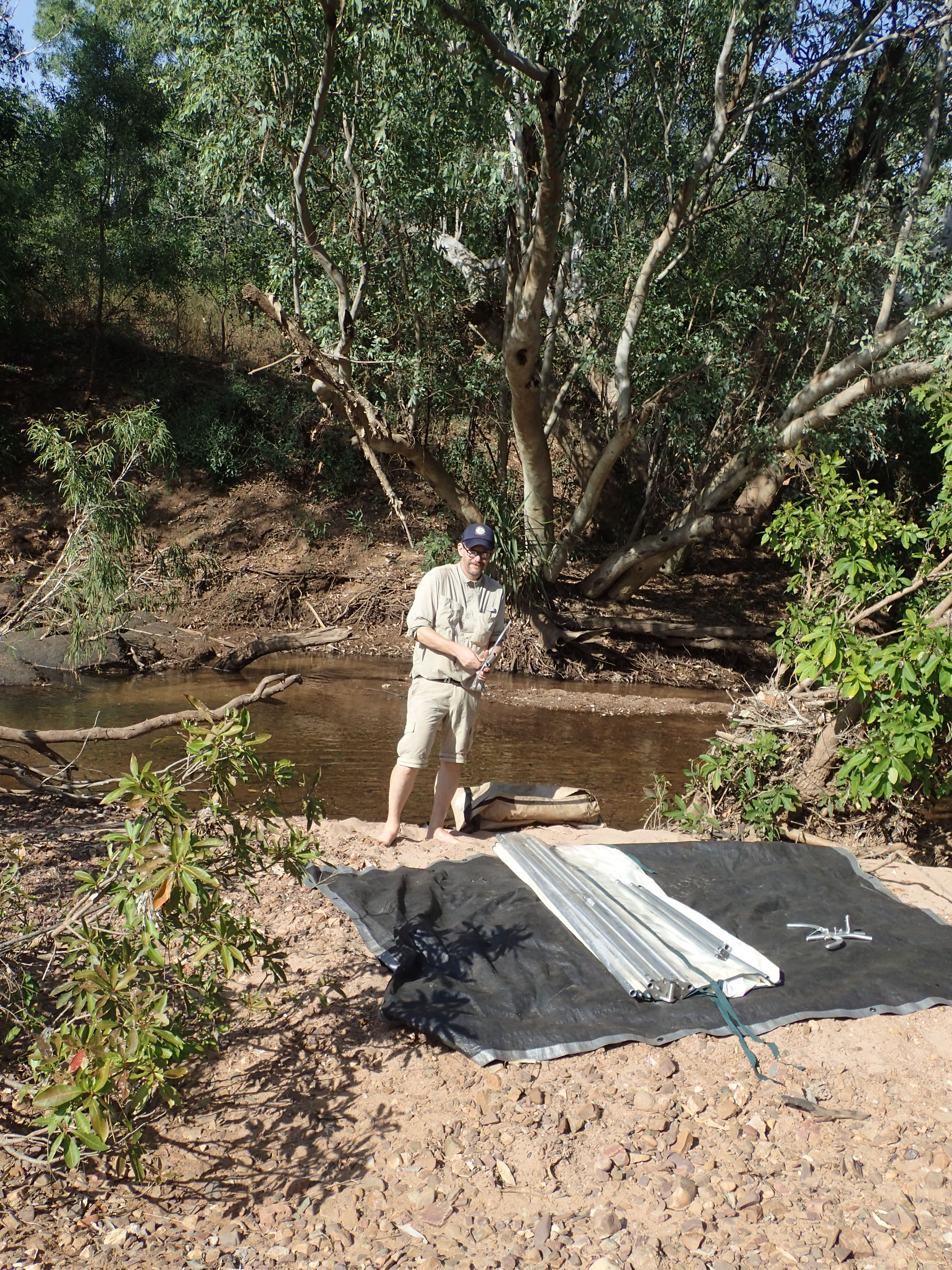
A professional…Paul Barden showing us how a harp trap is wrapped and unwrapped properly…and neatly 
Maud Creek just before it flows beneath the bridge on the road to Nitmiluk NP.
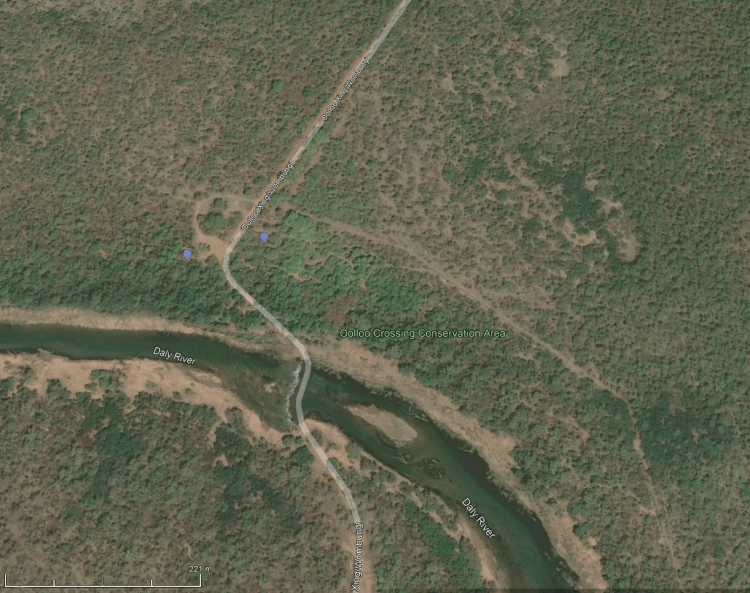
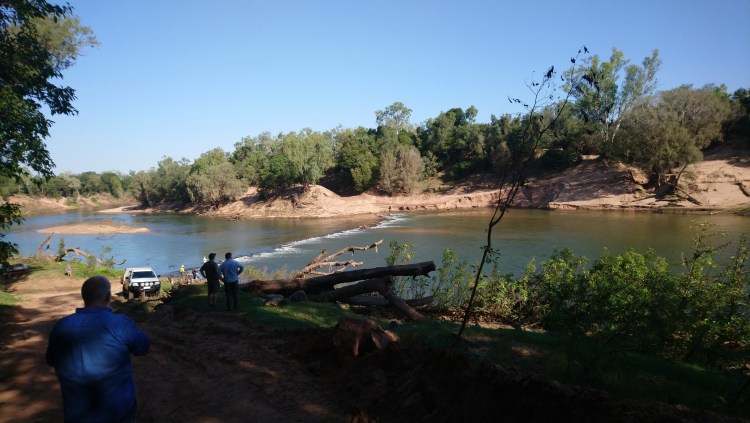
by the Daly River at Oolloo Crossing Conservation Area (-14.06935 o S, 131.25084 o W), a spot surrounded by African mahogany plantations (Khaya senegalensis) and savanna woodland cleared for large agribusiness concerns;
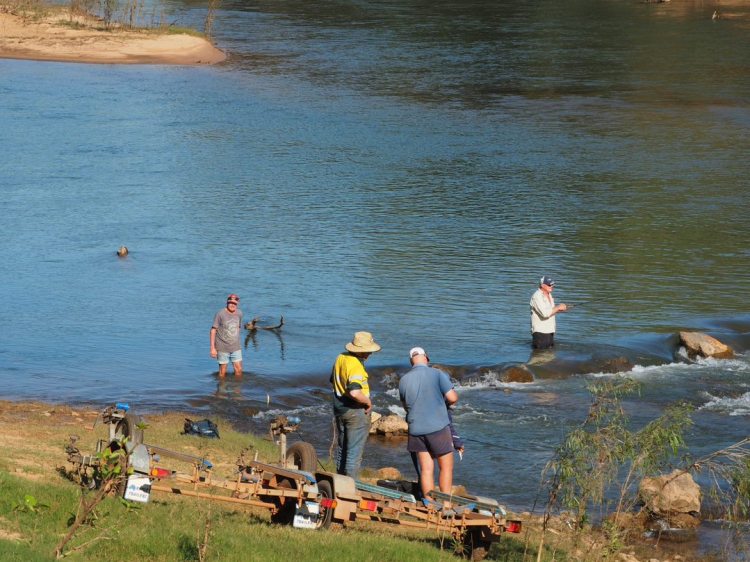
at the Robin Falls Rest Area (-13.35046 o S, 131.13598 o W), a riparian remnant surrounded by land cleared for grazing where, despite high hopes, we did not catch a single bat;

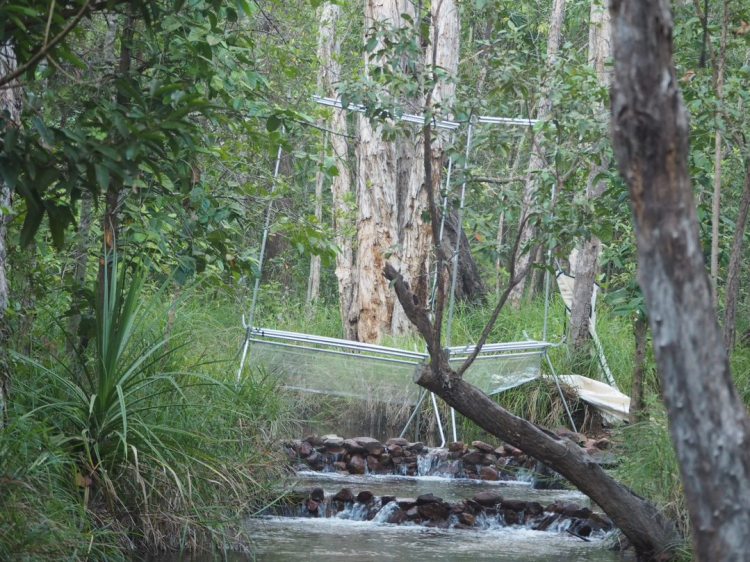
and at Leliyn (Edith) Falls (-14.17849 o S, 132.18623 o W), a pleasant lagoon and camping spot in Nitmiluk National Park, ca 60 km north of Katherine, where we trapped bats with other bat-fest attendees.

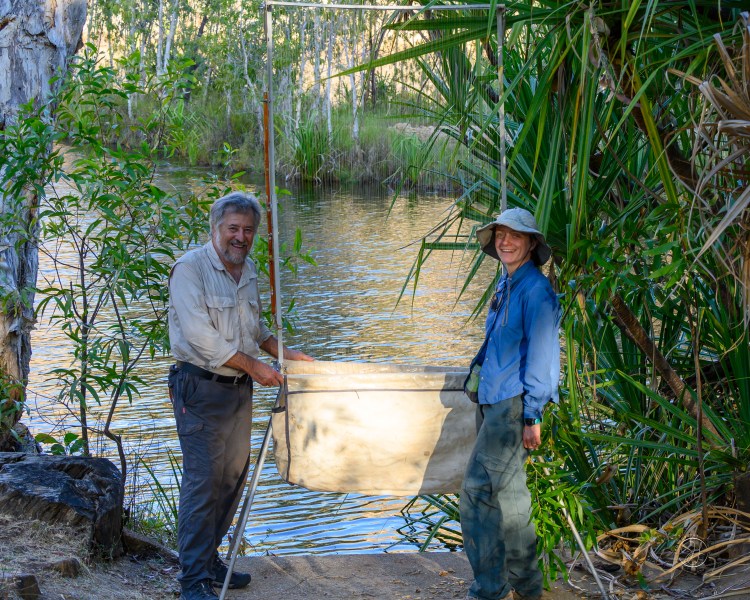
Whilst Jon accompanied most of the bat-blitz folk to Umbrawarra Gorge, Simon and I attempted to monitor ghost bats along Umbrawarra Rd (-13.85068 o S, 131.82792 o W – unsure). Our eyes saw a myriad but our ‘scientific’ video equipment did not. Murphy’s Law was active, an infra-red video camera/recorder purchased by a student at Aldi for $180 functioned perfectly and ‘saw’ heaps!
Overall at the various sites, we trapped, collected DNA and RNA samples from, and made recordings of the: hoary wattled bat (Chalinolobus nigrogriseus), ghost bat (Macroderma gigas), northern bent-wing (Miniopterus oceansis orianae), Arhnem Land long-eared bat (Nyctophilus arnhemensis), pygmy long-eared bat (Nyctophilus walkeri), little broad-nosed bat (Scotorepens greyii), dusky leaf-nosed bat (Hipposiderus ater) and northern cave-bat (Vespadelus caurinus). Some photos below…
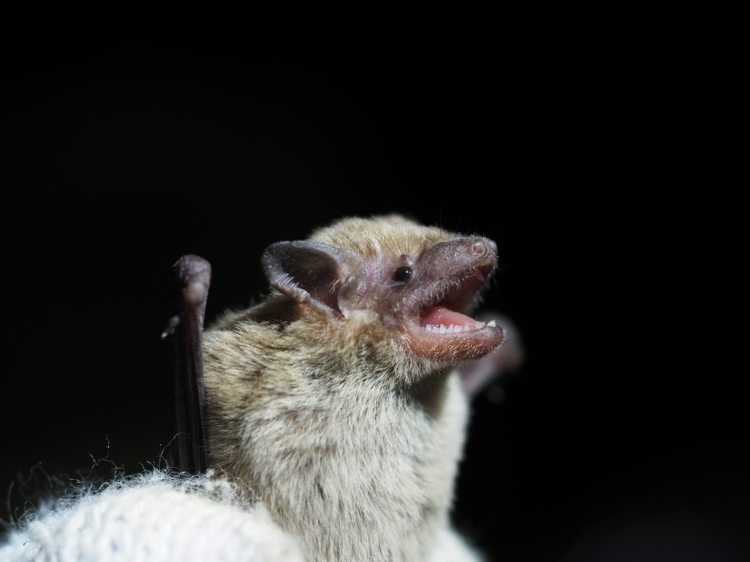
Scotorepens greyii (little broad-nosed bat), Maud Creek. Photo: Jon Luly 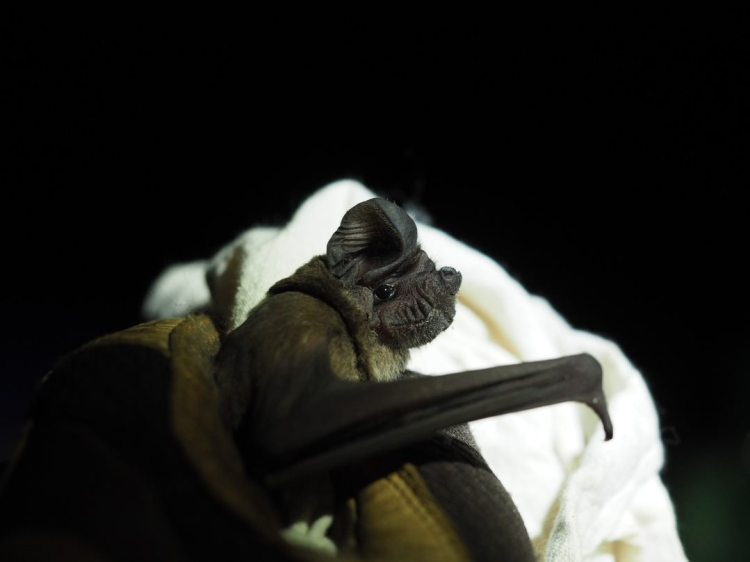
Chaerephon jobensis (greater northern freetail bat), Maud Creek. Photo Jon Luly 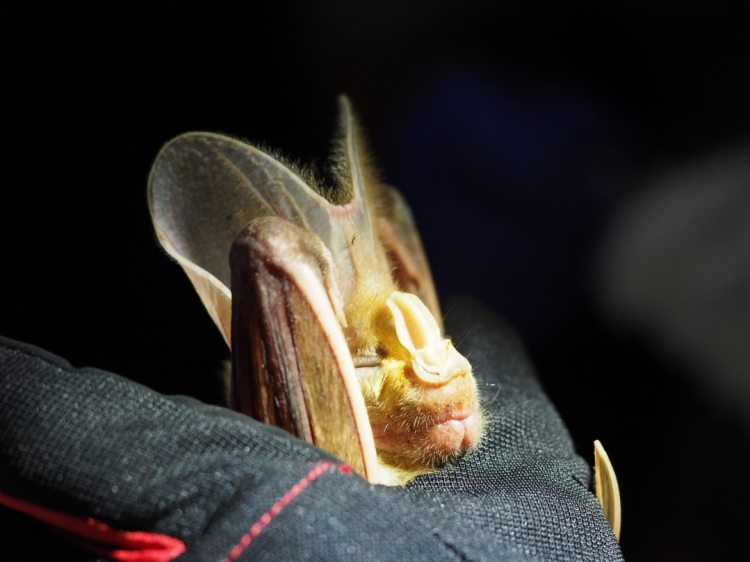
Macroderma gigas (ghost bat), Maud creek. Photo Jon Luly 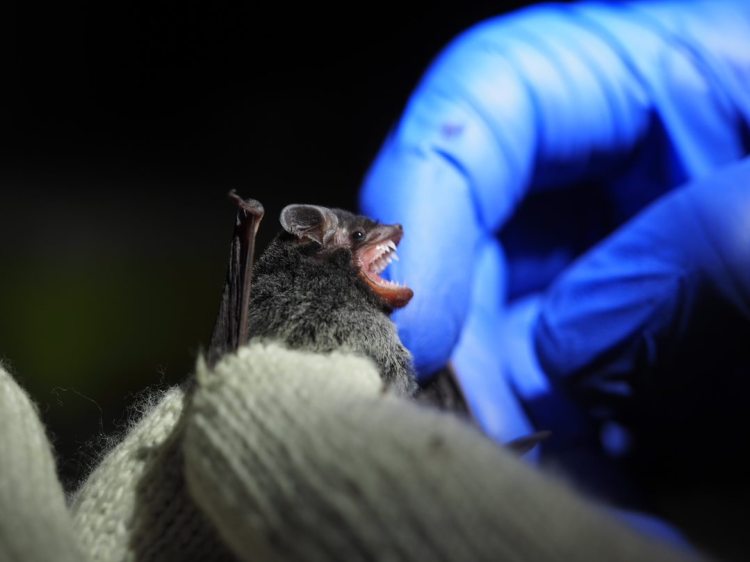
Chalinolobus nigrogriseus (hoary wattled bat)?, Oolloo Crossing. Photo Jon Luly 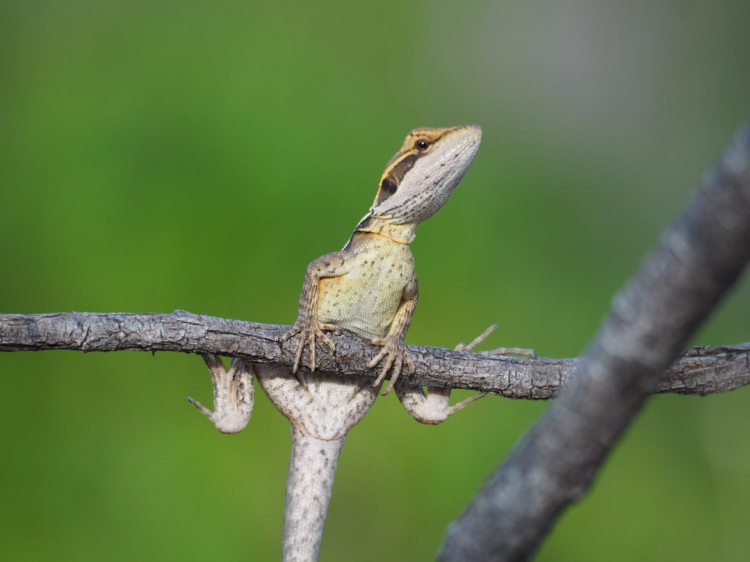
Lophognathus gilberti (Gilbert’s dragon), Leliyn. Photo Jon Luly 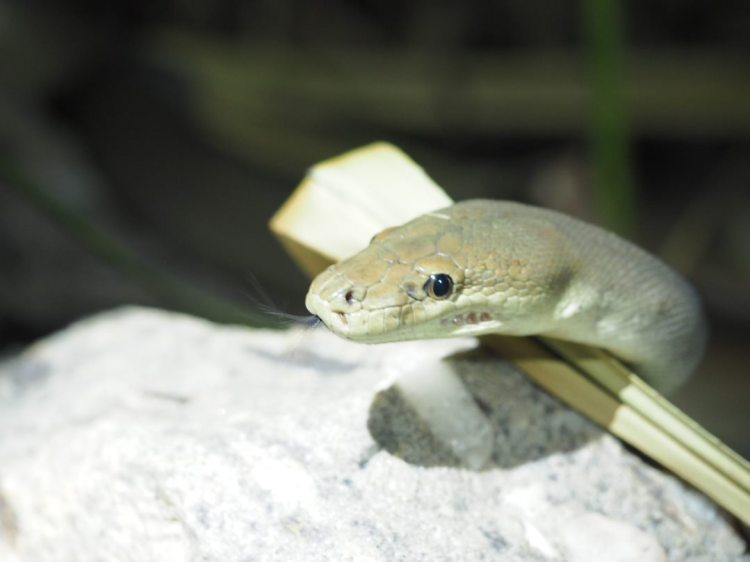
Liasis olivaceus (olive python), Edith Falls. Photo Jon Luly 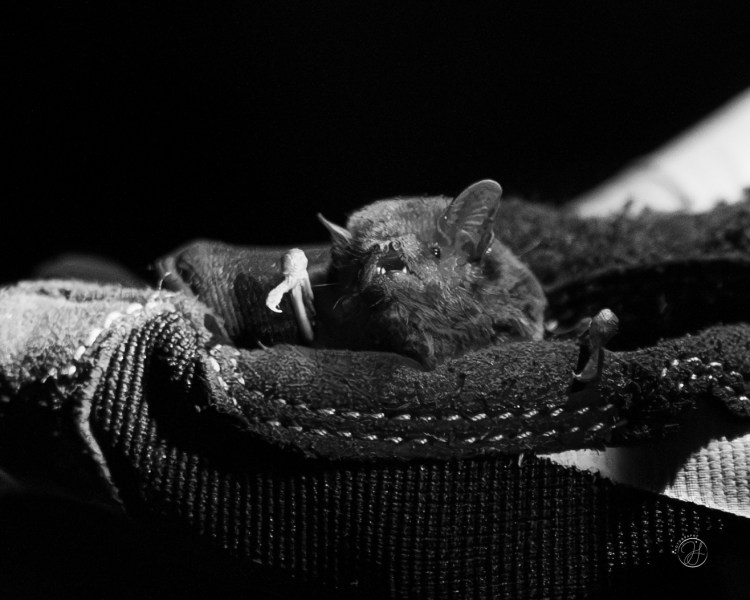
Chalinolobus nigrogiseus (hoary wattled bat). Photo: Jon Luly 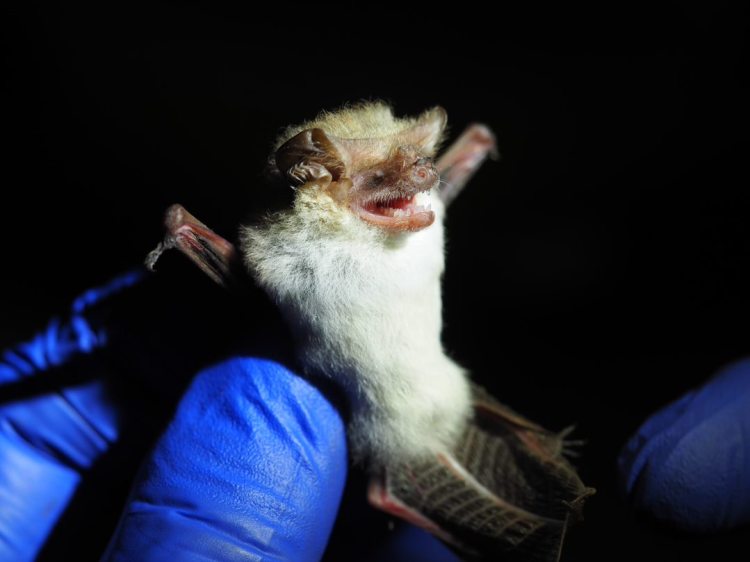
Nyctophilus walkeri (pygmy long-eared bat). Photo: Jon Luly 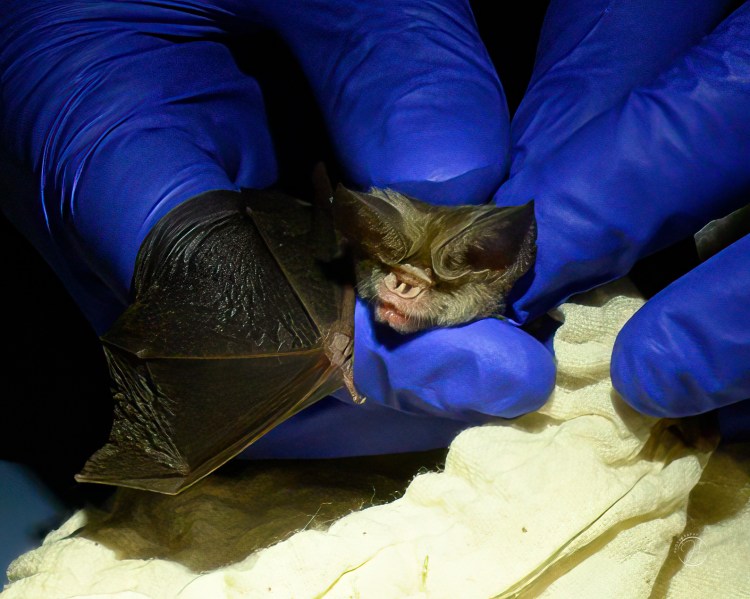
Dusky leaf-nosed bat (Hipposiderus ater), Umbrawarra Gorge. Photo: ?
We departed Pine Creek for Cape Crawford (Heartbreak Hotel – 443 km) and Pungalina on the 18th May. Ultimately, we didn’t get to Pungalina, a second-time failure for Simon and myself. The property was closed for burning. Moreover, travel along the Savanna Way was restricted – roads were closed from Burketown, a result of flooding.
After overnighting at Heartbreak Hotel (-16.68405 o S, 135.72600 o W ) we visited the magnificent Proterozoic sedimentary domes at Caranbarini Conservation Reserve (-16.27116 o S, 136.07896o W) (see here for photos taken during an earlier visit) and then drove south down the Barkly Highway towards Barkly Homestead.
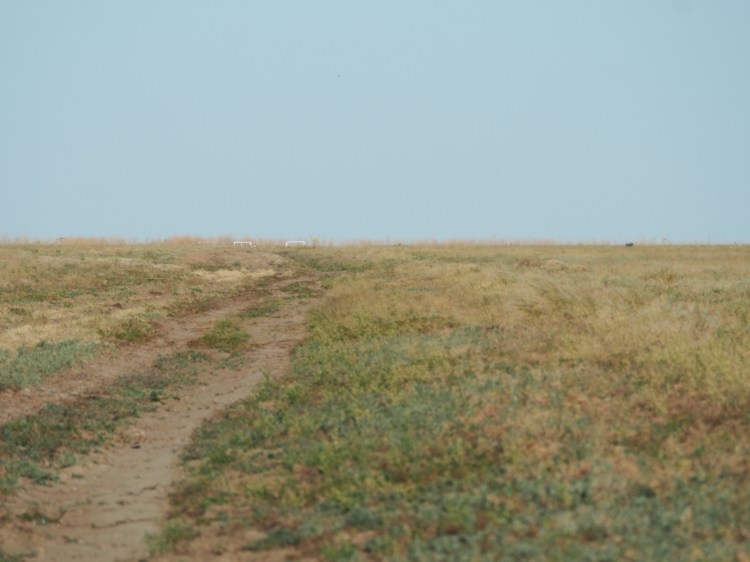
An attempt to take a ‘short-cut’ along Ranken Rd via Connell’s Lagoon Conservation Area was aborted after 50 km, much to Jon’s disappointment. Travel along the corrugated black soil track, which had not been graded since the rains, was too bumpy and slow.

Overnighted at Barkly Homestead on the 19th May (it reopened on the day we arrived following post-flood rebuilding) and at Julia Creek on the 20th – bloody cold at the campsite. Arrived in Giru and in Townsville on the 21st May.
I was somewhat bored by the end of the trip – I was hoping to learn a little bat science but the meeting was mainly a counting/recording exercise. Too much oohing and aahing over rare species for me. Seeing new landscapes and improving my understanding of them were highlights – courtesy of Jon Luly’s tutoring and not having to drive too much. I was impressed how floods radically alter the landscape and surprised by the extent of landscape burning (CO2 emitting) and clearing in NT.
A major effect of the trip was to make me consider more intently the reasons why we conserve biota and why we burn. Australia really is one large human-altered landscape and parks etcetera are perhaps large zoos that temporarily preserve rather than conserve species. Places where we play God…and argue about how God would act!
 Joe Holtum's Science Site