A CHILEAN CAM ADVENTURE
Our Chilean visit was ….. eventful.
Jo arrived from Australia on 4th April, 2023, I arrived rom Panama the next day. We stayed at the Torresmajor Lyon Hotel, a comfortable, well-functioning downtown hotel with attentive helpful staff.
Next morning, carrying the dry shipper (more about the shipper later!), we took the metro to the Universidade de Santiago, sort of… as we alighted at the wrong station, lost our way misreading the location app and wandered around a few side streets near the large bus station. Evenually the comic duo stumbled upon a university entrance and asked around. Taking pity on us, staff escorted us to the Facultad de Química y Biología (the first of many Chilean acts of kindness).
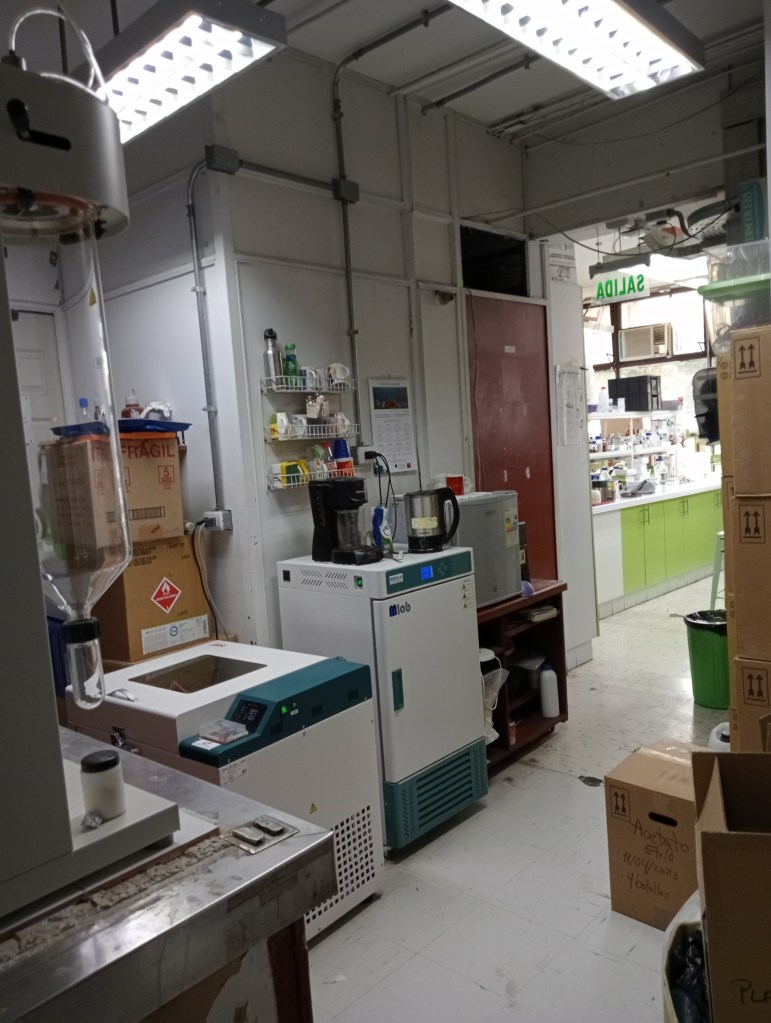
Met Professor Gustavo Zúñiga and his group and settled-in to the small lab that housed about 10 including desk space. The lab and corridors were crammed with an array of equipment, including a mass-spec attached to a HPLC, a Christ freeze-drier, shakers, laminar-flow hood, -80 oC freezer. Downstairs is a room of walk-in growth chambers downstairs (more anon!).



Had to find a new exit from the uni on the way home as there were riots between students and the carabinieri at the gate from which we expected to leave. Some students, weeping from the effects of tear-gas, kindly showed us an alternate exit to Station Central. Australian universities are so boring in comparison!
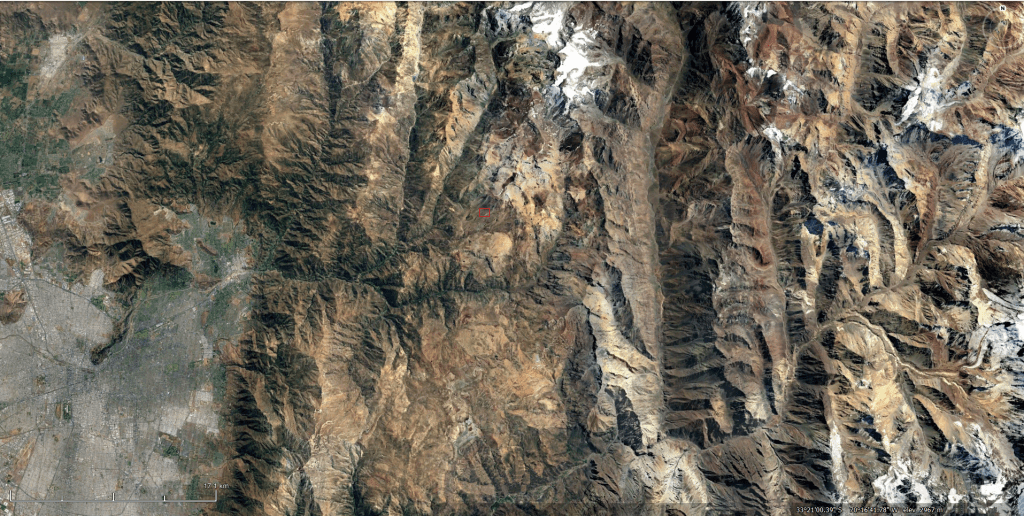
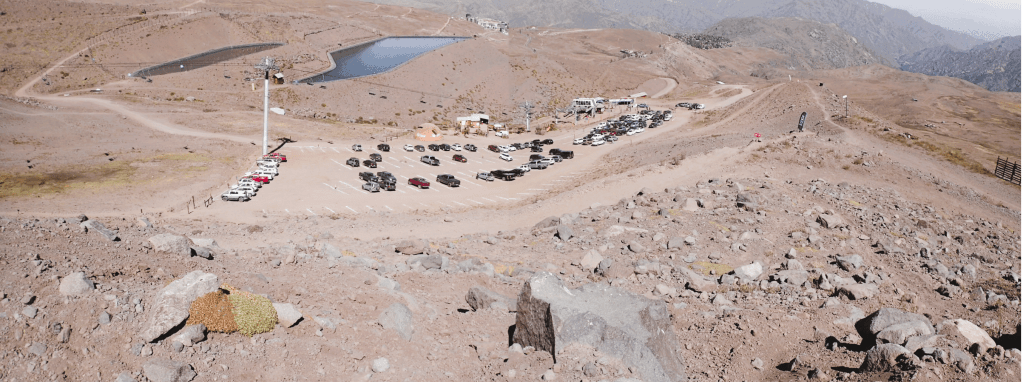
On Friday we travelled into the Andes east of Santiago with Gustavo. The site at which Gustavo had seen Colobanthus ca. 10 years previously was located near Andarivel Aguilas – La Parva (the la Parvas Eagle Chairlift) at about 3,200 m a.s.l.

Effectively there are two habitats at Andarivel Aguilas: exposed but moist sites in snow-melt supplied drainage areas between slopes and exposed extremely dry sites where snow-melt was absent. The slopes were grazed by mules, particularly the moist sites. We visited at the driest time of the year, just prior to the snow season…in hindsight, probably not the best time to collect plants.
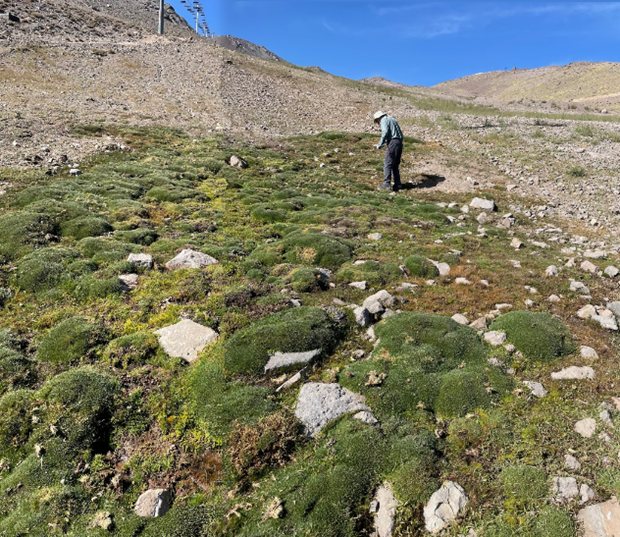
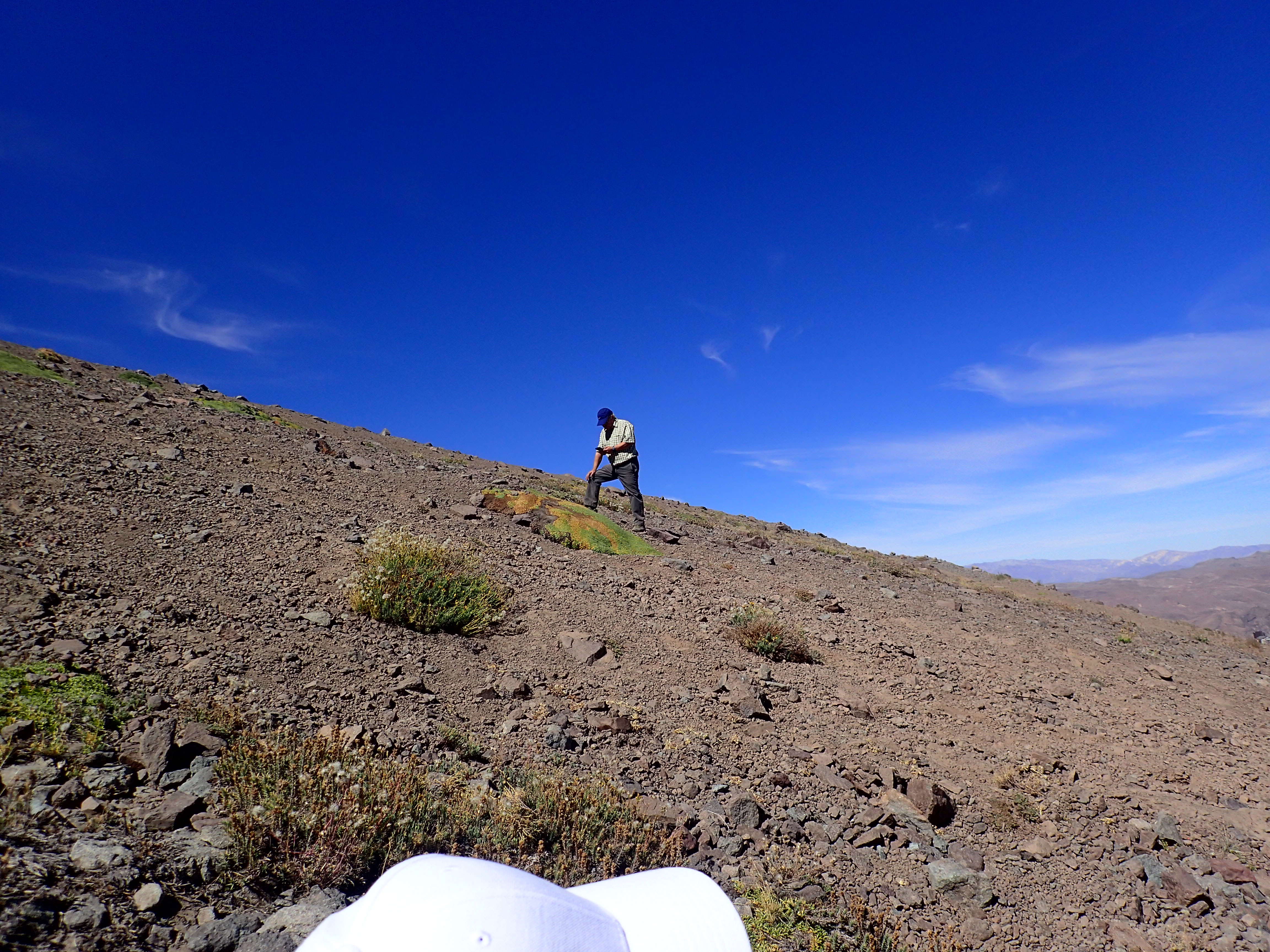
Moist sites were dominated by mat formers.
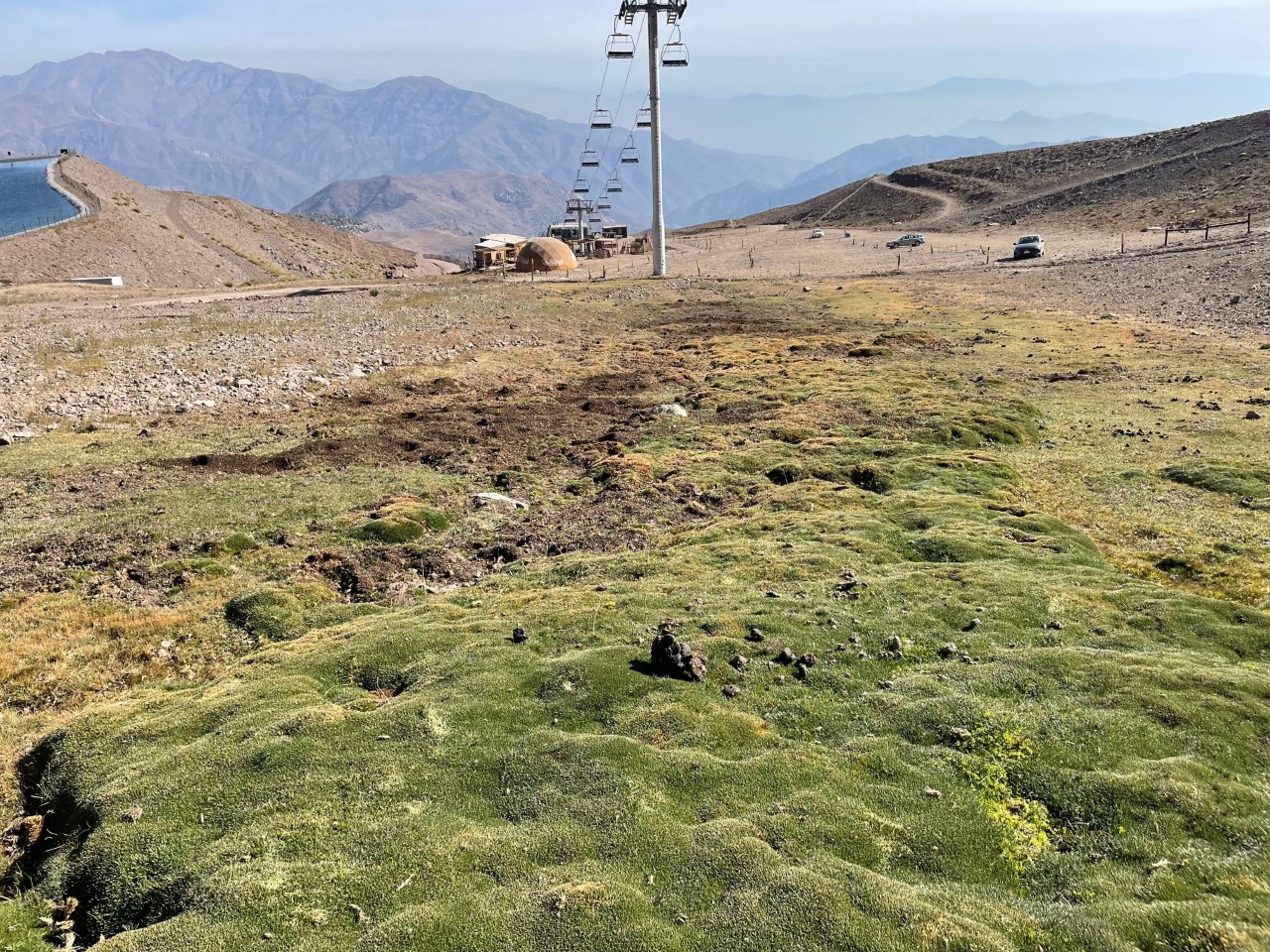
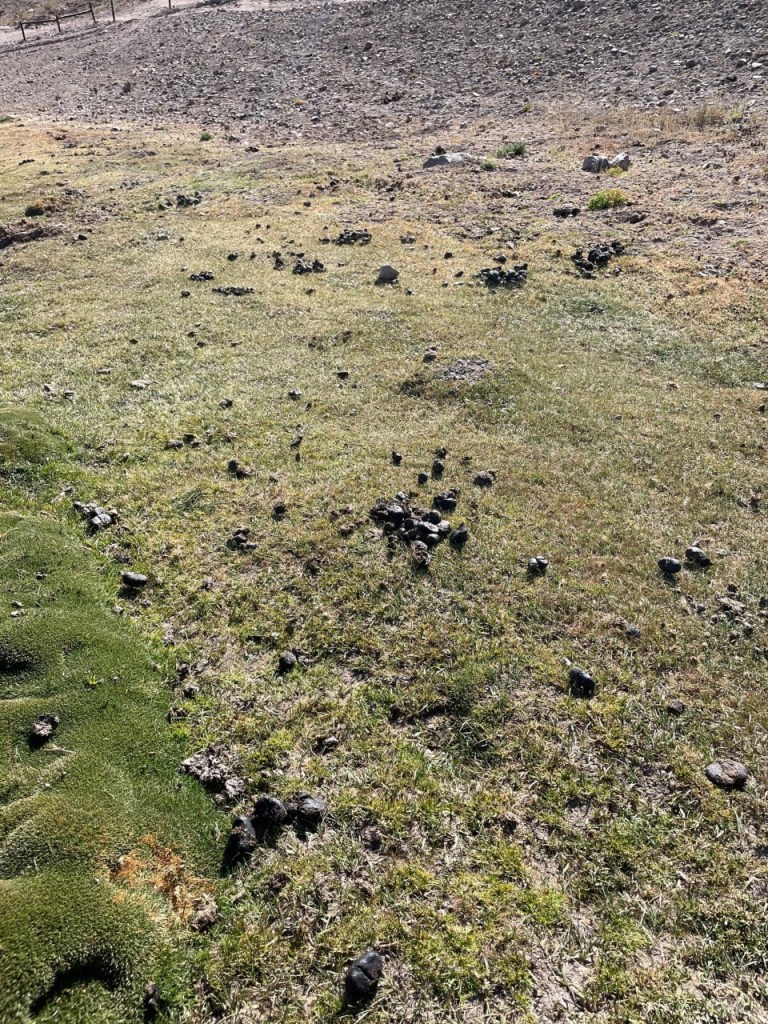
The dominant mat-former was Patosia clandestine (Juncaceae). Associated with the mats was at least one grass species and several eudicots including Lysimachia alternifolia (Primulaceae), formerly Anagallis alternifolia, and what we originally thought might be Colobanthus – about which our confidence fluctuated during the ensuing days.
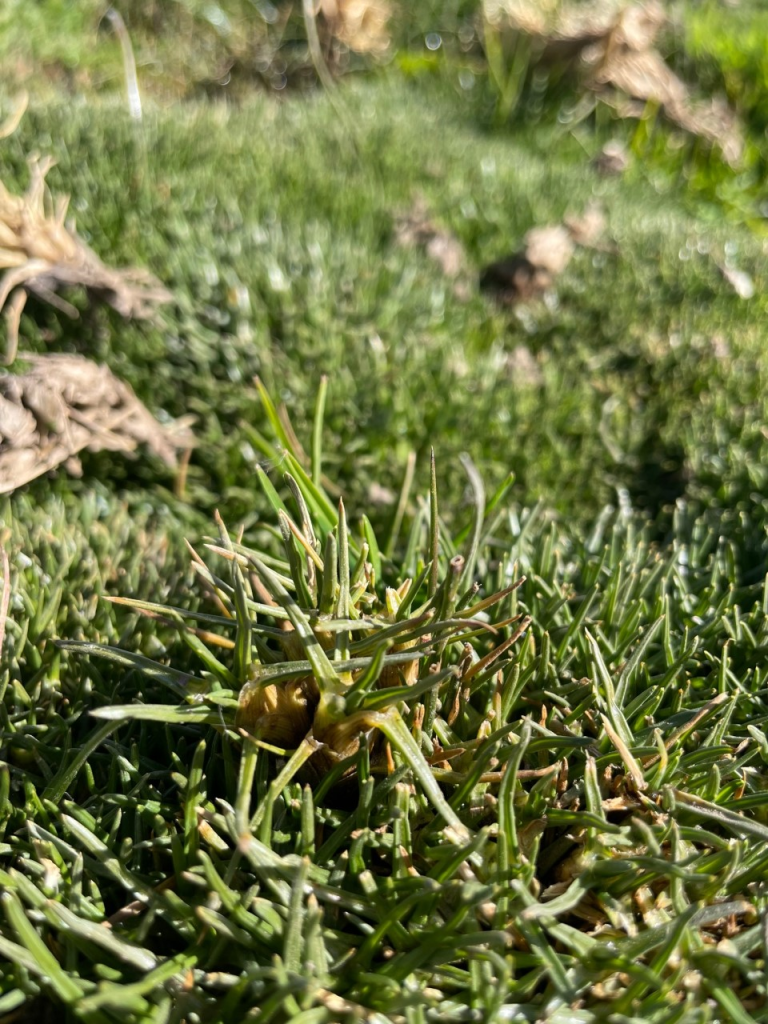
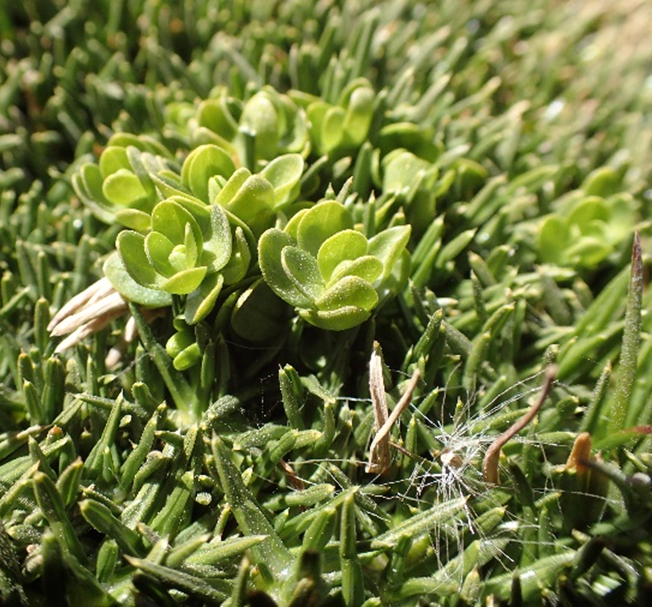
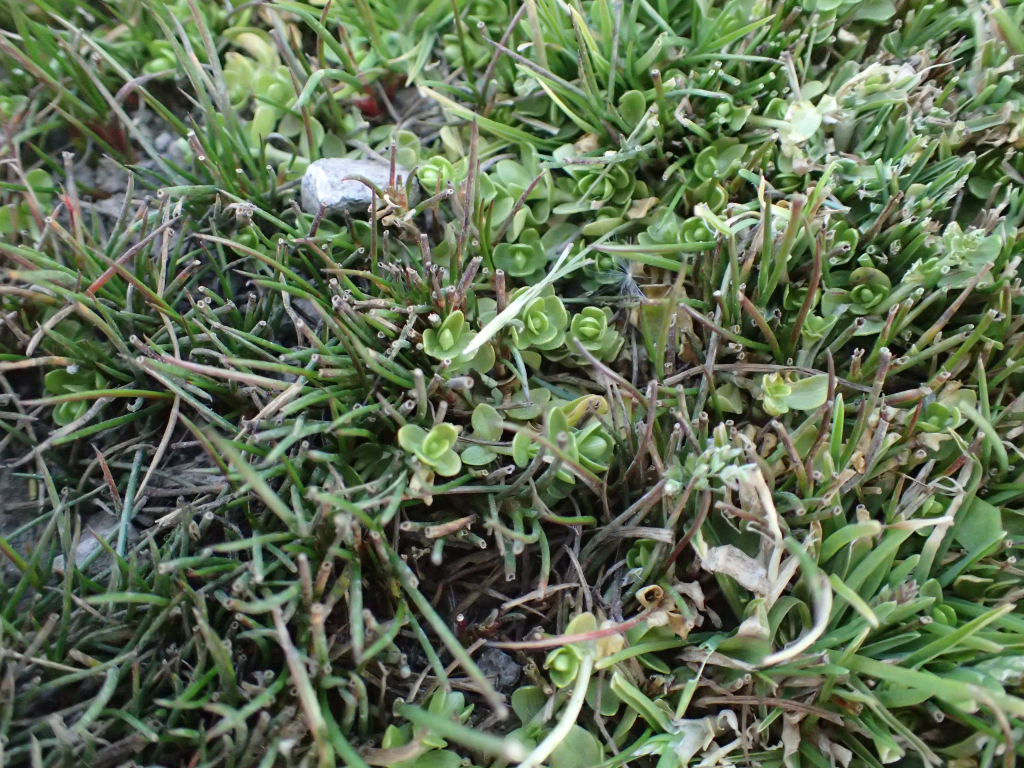
Drier west-facing hillside areas (site 2) contained scattered cushion plants (growing upon or close to large stones), primarily Laretia and Azorella, a few asterids (including perhaps Senecio pachyphyllos), a Euphorbia (Euphorbiaceae) and some small cryptic species: Viola atropurpurea (Violaceae), a Pozoa (Apiaceae), a Montiopsis (Montiaceae) and an Oxalis (Oxalidaceae). All were perennials or geophytes.
After filling the dry shipper with liquid N2 back in Santiago (the institute has its own liquid N2 maker!) we hired an automatic Hyundai sedan and returned to the mountains on Saturday. The first time driving on the right for Jo! (My drivers’license had been pinched in San Francisco). We harvested the first dusk sample to discover the dewar was empty! We cancelled the hotel room (Jo’s great Spanish and charm came through) and drove down the hill. Easter Sunday was a rest-day as we couldn’t refill the dewar until Monday.
Monday, with refilled dewar and we returned to the hills. We took a second small dewar with us just in case. Good thing too! The first dewar (which had been carefully shipped and coddled from Australia) had evidently lost its vacuum and all the N2 sublimed! Scrambling across the hillsides and face down in the bog we harvested dusk samples between 4 and nightfall.
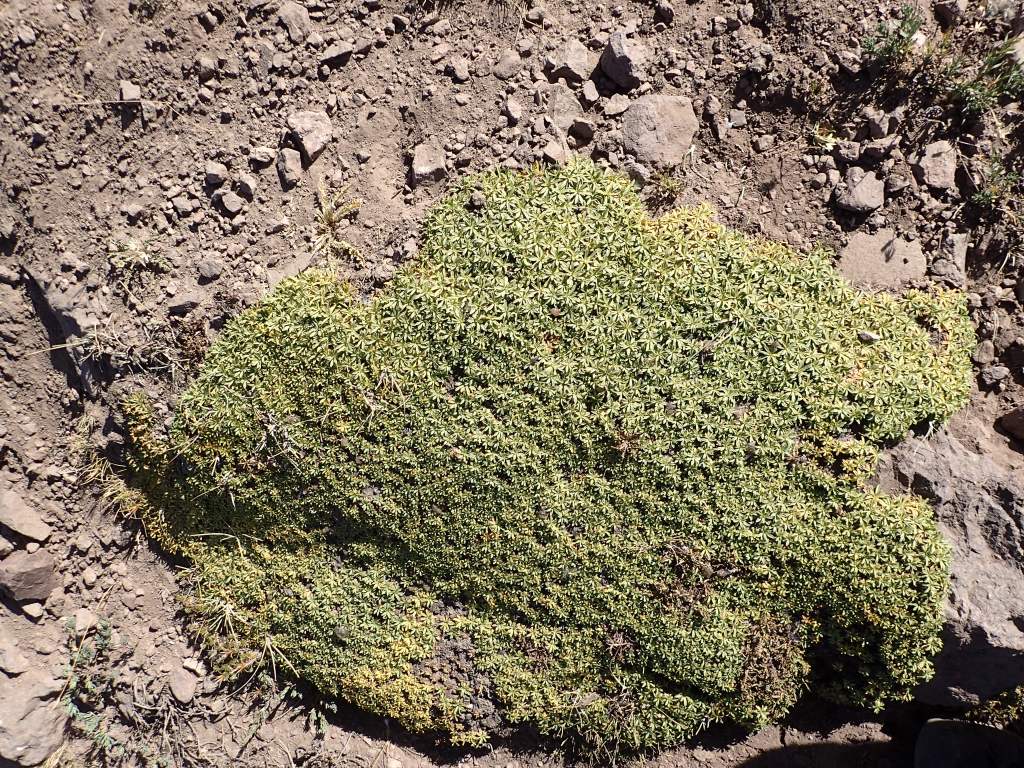
Laretia acaulis – a cushion plant 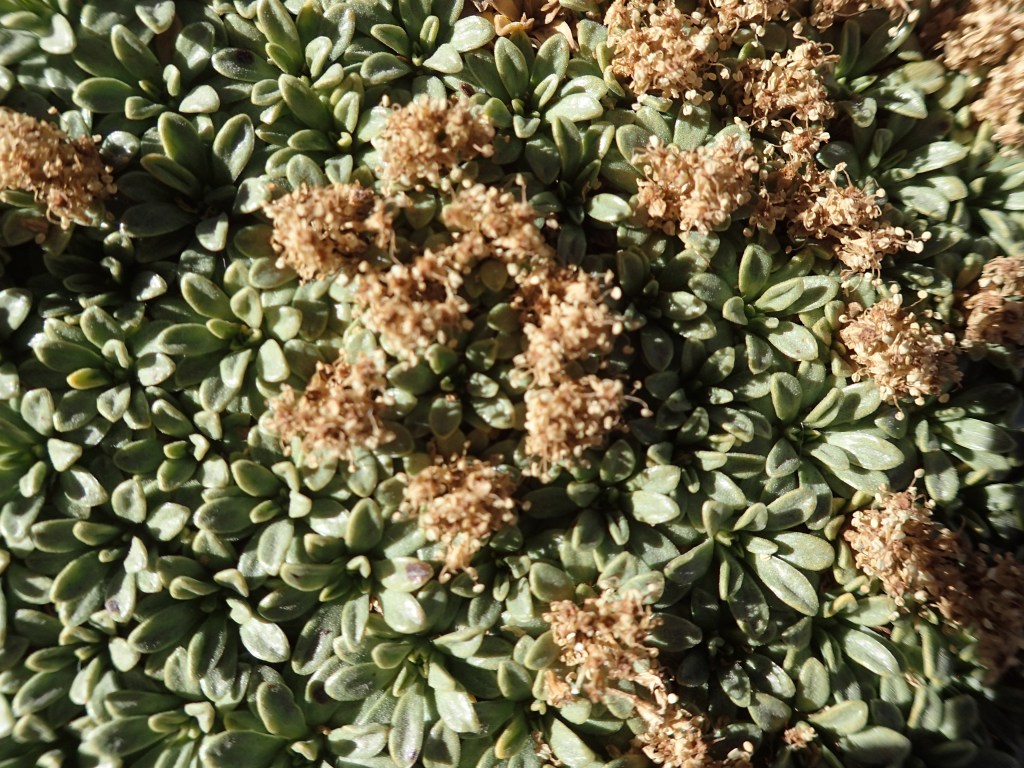
Close-up of flowers of Laretia acaulis. Photo J Holtum 
Azorella sp – a cushion plant. Photo: J Holtum 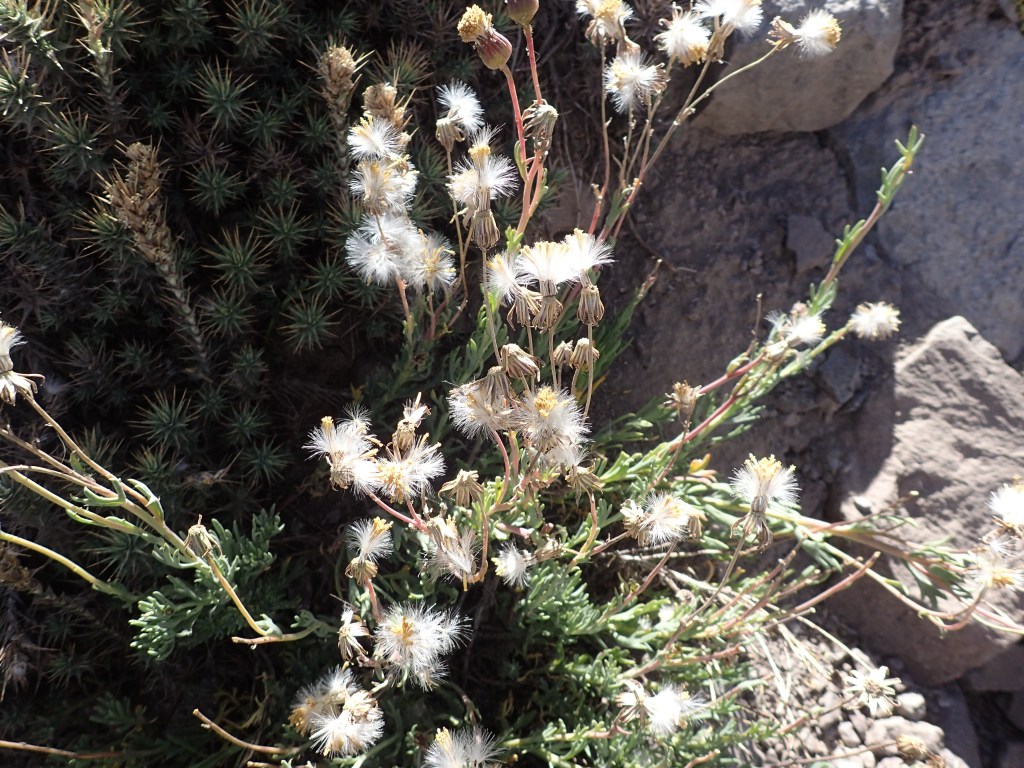
Senecio pachyphyllos (?) Photo: J Holtum 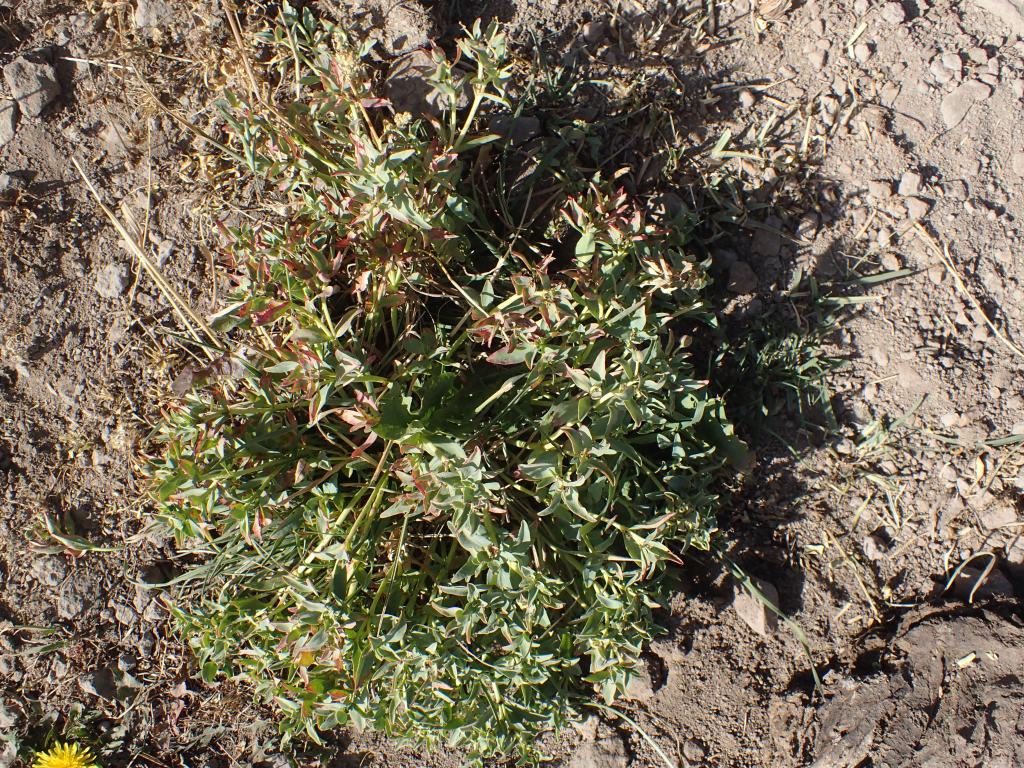
Euphorbia sp Photo: J Holtum 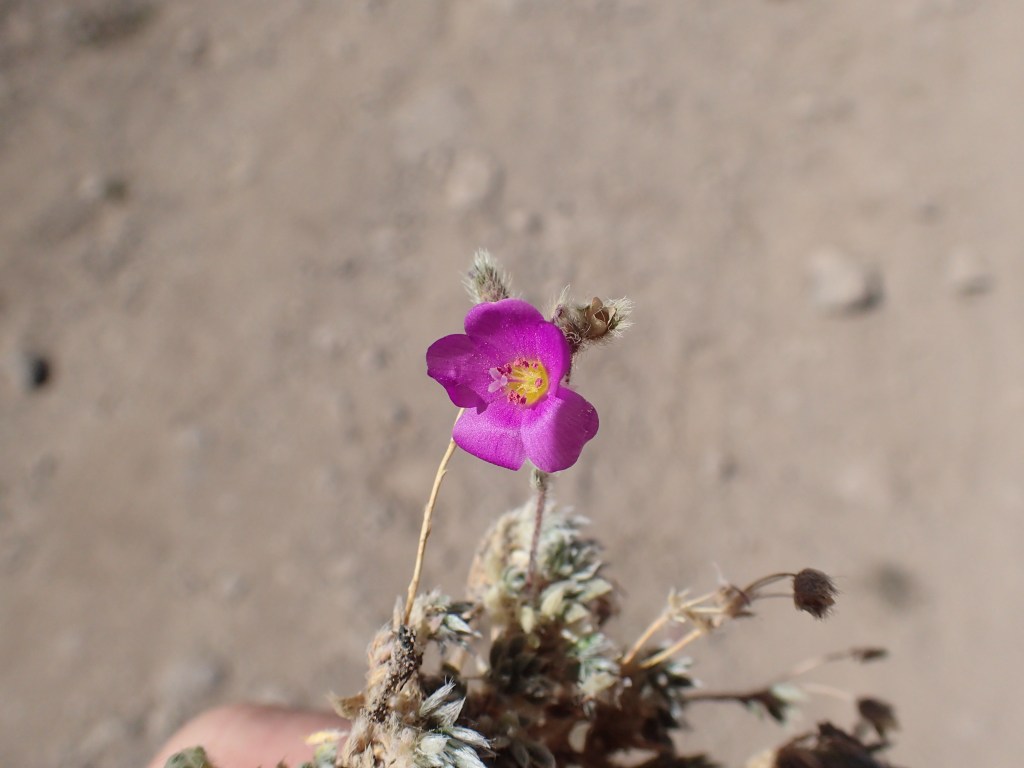
Montiopsis gillettii (Montiaceae) Photo: J Holtum 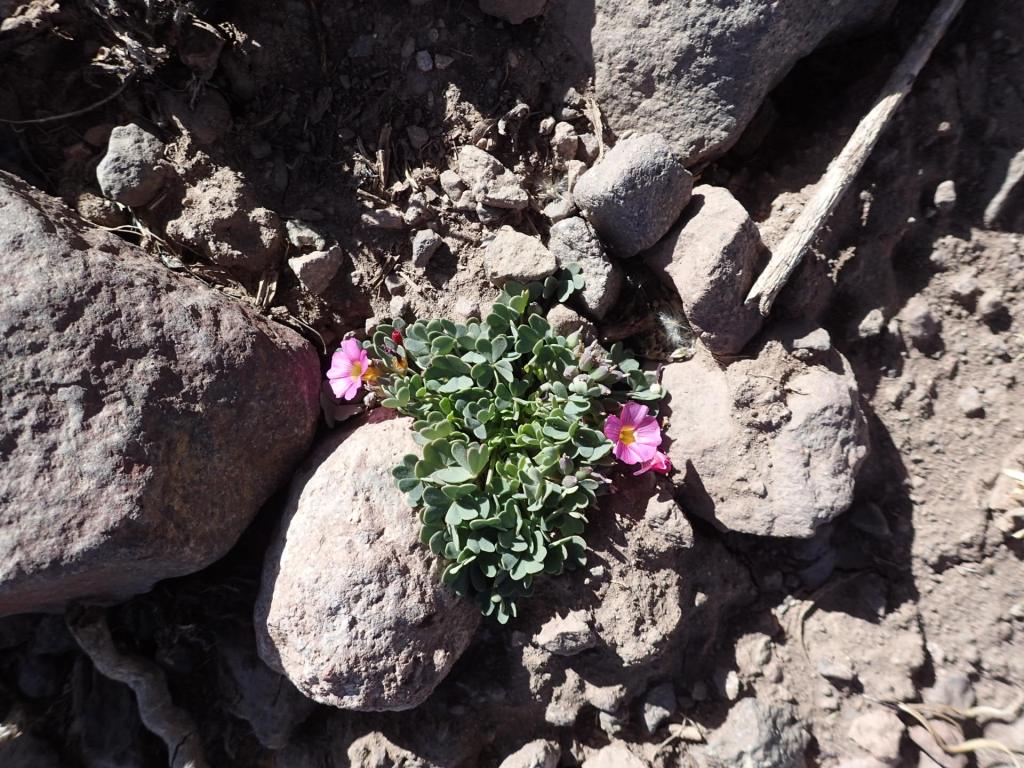
Oxalis sp Photo: J Holtum 
Prozoa sp (Apiaceae) Photo: J Holtum 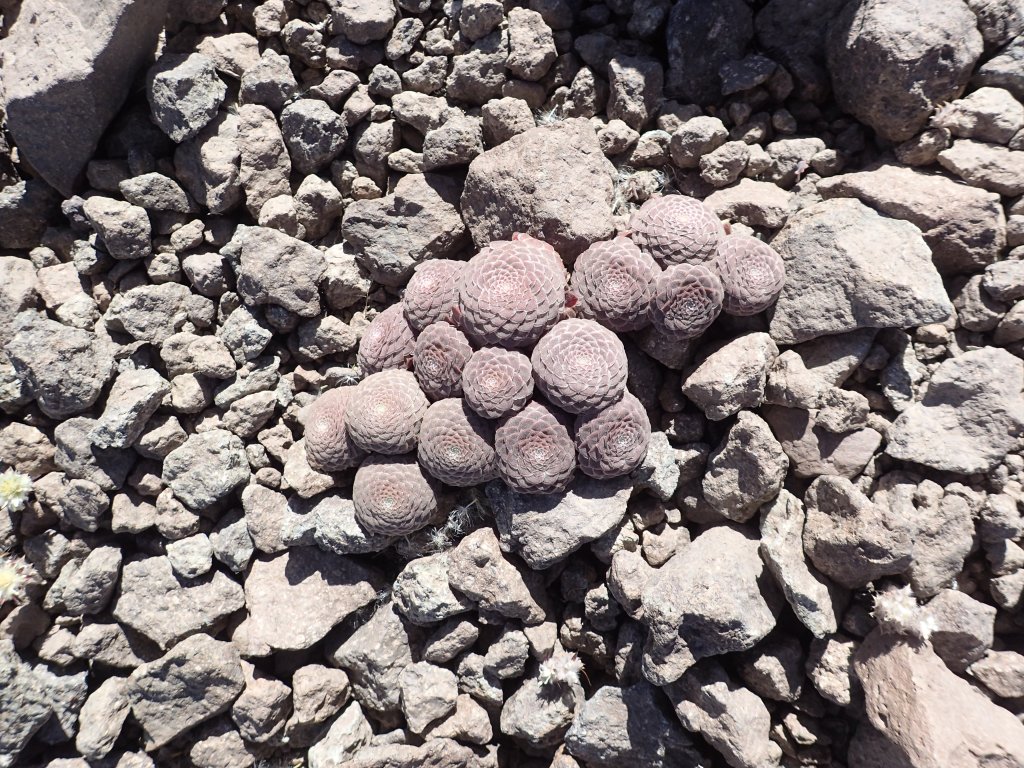
Viola atropurpurea Photo: J Holtum
Descending in the dark we turned onto a road that turned out not to be a road – it was a ski run! For two hours we attempted unsuccessfully to coax the car back up the slope. Two hours later, somewhat embarrassed, we were towed out by our Peruvian Hotel hosts.

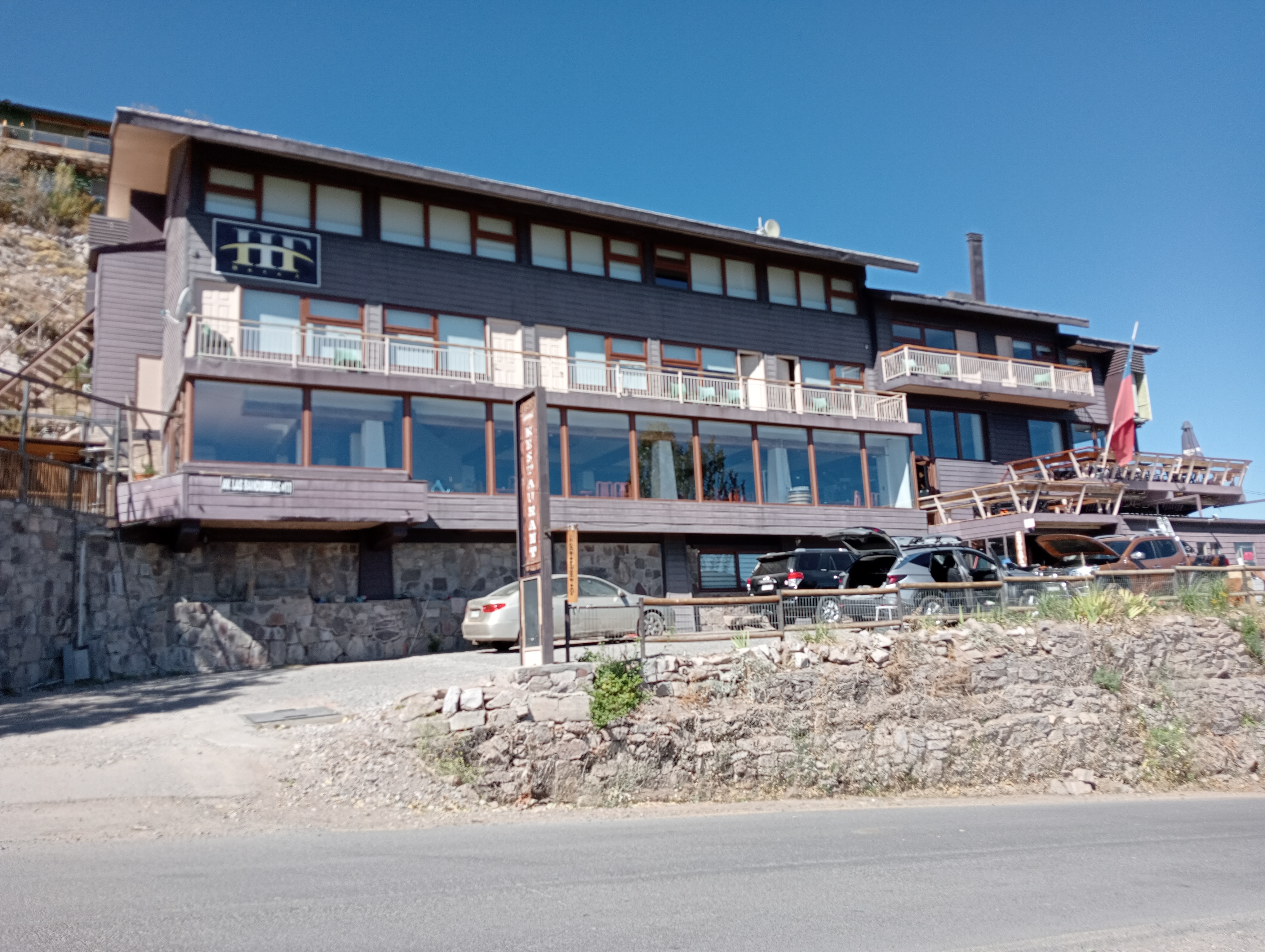
Too scared to drive up the hill at 3:30 am for dawn sampling, we paid our hosts to take us up the mountain at 3:30 and pick us up at 6:30. Despite wandering across the slopes in the dark and the cold – it was probably 5o C or so – we sampled most intended species although we were (are) very uncertain about identification of Colobanthus. Didn’t find any Montiopsis and Oxalis and so did not sample them. We drove down the mountain, returned the car, transferred samples into the UdeS freezer, set up titration equipment, calibrated the pH electrode, started entering data etc.
Wednesday – at 5 am at UdeS, sampled cabinet-grown tissue-cultured control and salinity-grown Colobanthus (a bit worried because the lights were on but persuaded ourselves that we turned them on when entering the cabinet), titrated all day – staying until 9 pm in order to sample the cabinet plants at their dusk (got to the plants before light turn-off time – this becomes important later). A full day’s work.
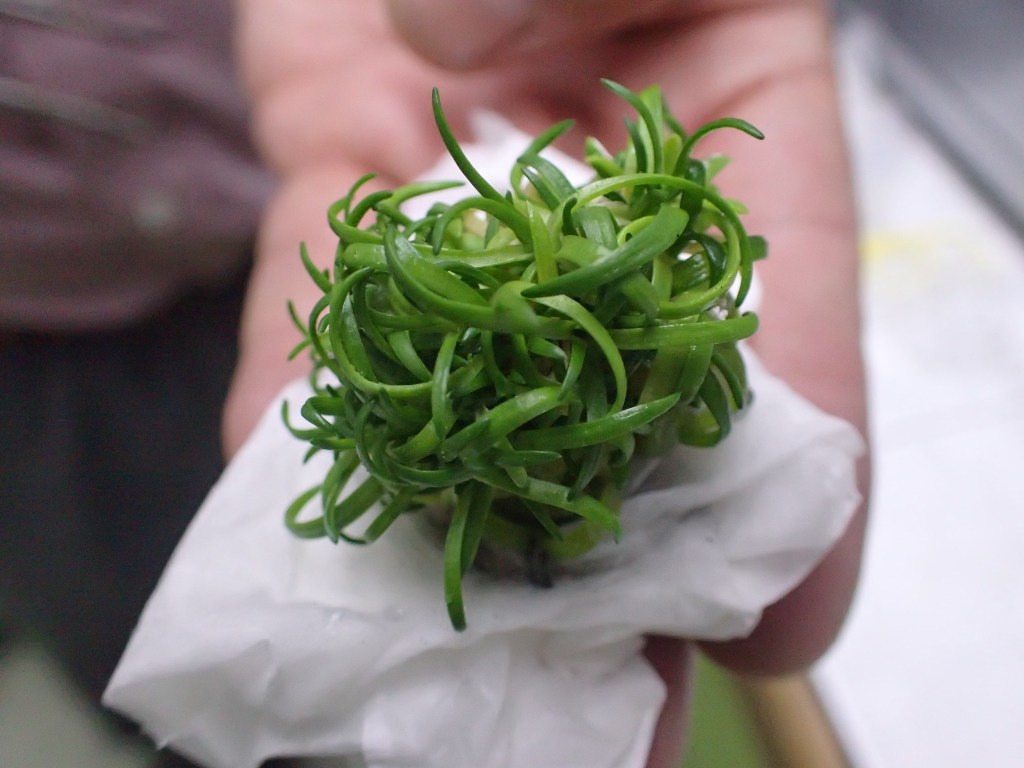
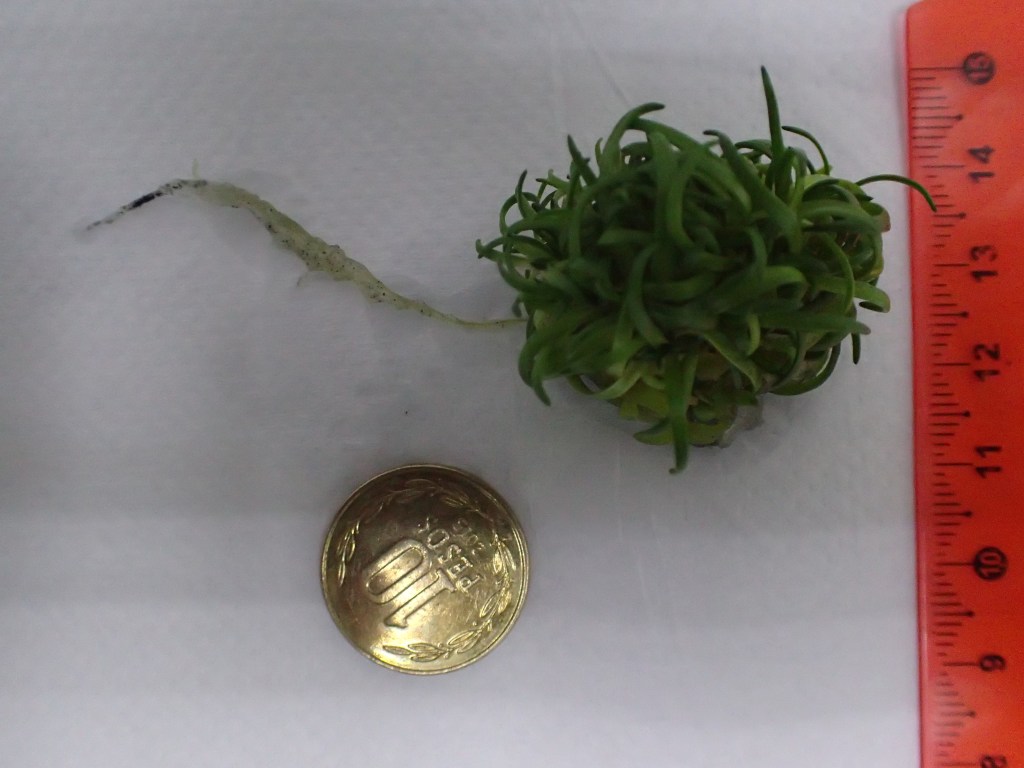

On Thursday we discovered that the Colobanthus culture cabinets were not on the light rhythm suggested on their clock – we had sampled everything in the light, not at dawn and dusk! Decided to sample again the next morning at the correct time. Titrated all day – only distracted by the demos and the tear-gas that was being lobbed about outside the building during the afternoon (quite dramatic ebb and flow of a small crowds and the carabinieri). Students very kindly escorted us to the station when things quietened down a bit…no problems.
On Friday, pretty tired, we went to harvest the plants at 4:30 am only to discover that the cabinet timer was broken and the plants had been in 24 h light for some months! All our cabinet Colobanthus samples were not dusk and dawn, a shock for us all! Gave a short seminar on Calandrinia at 9:30, finished the last titrations of the mountainside plants, finished the freeze-drying, and returned to the hotel to contemplate our navels and the trip!
What was a disappointing day had a wonderful finish – we enjoyed a beautiful dinner with Gustavo and his beloved, Hermine, at the impressive Liguria restaurant (http://www.liguria.cl/) with its Chilean cuisine, high ceilings, eclectic décor, ambience and good company. Awaiting photos from Jo and Gustavo.
Returned with an overnight stop in Panama, staying at the Crowne Plaza where I met Klaus Winter to discuss future prospects of CAM research in Chile. Thence to LAX, where I was reintroduced to the comforts of Holiday Inn ‘cuisine’, before the slog to Sydney (where the baggage handlers were on strike), Brisbane and Townsville on 20th April.
 Joe Holtum's Science Site